Last updated November 22, 2026
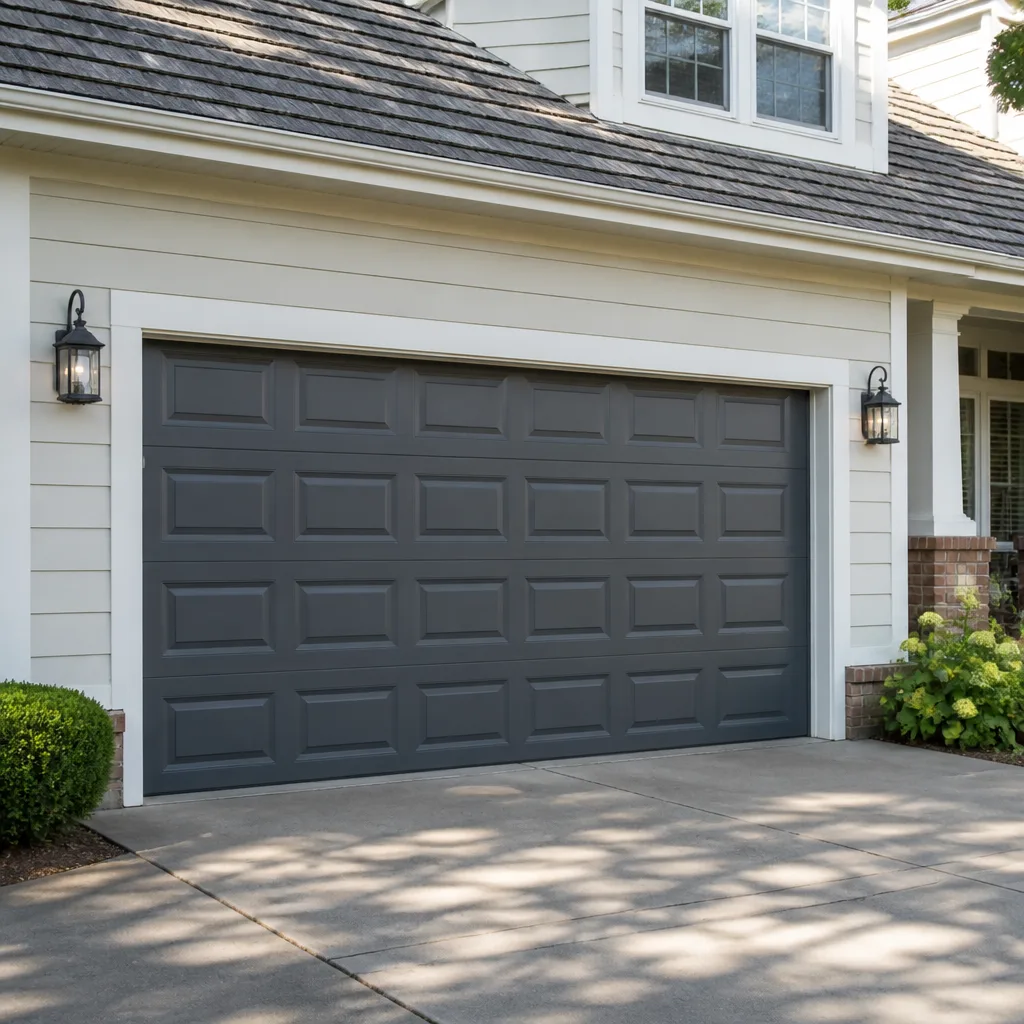 Raised-panel steel
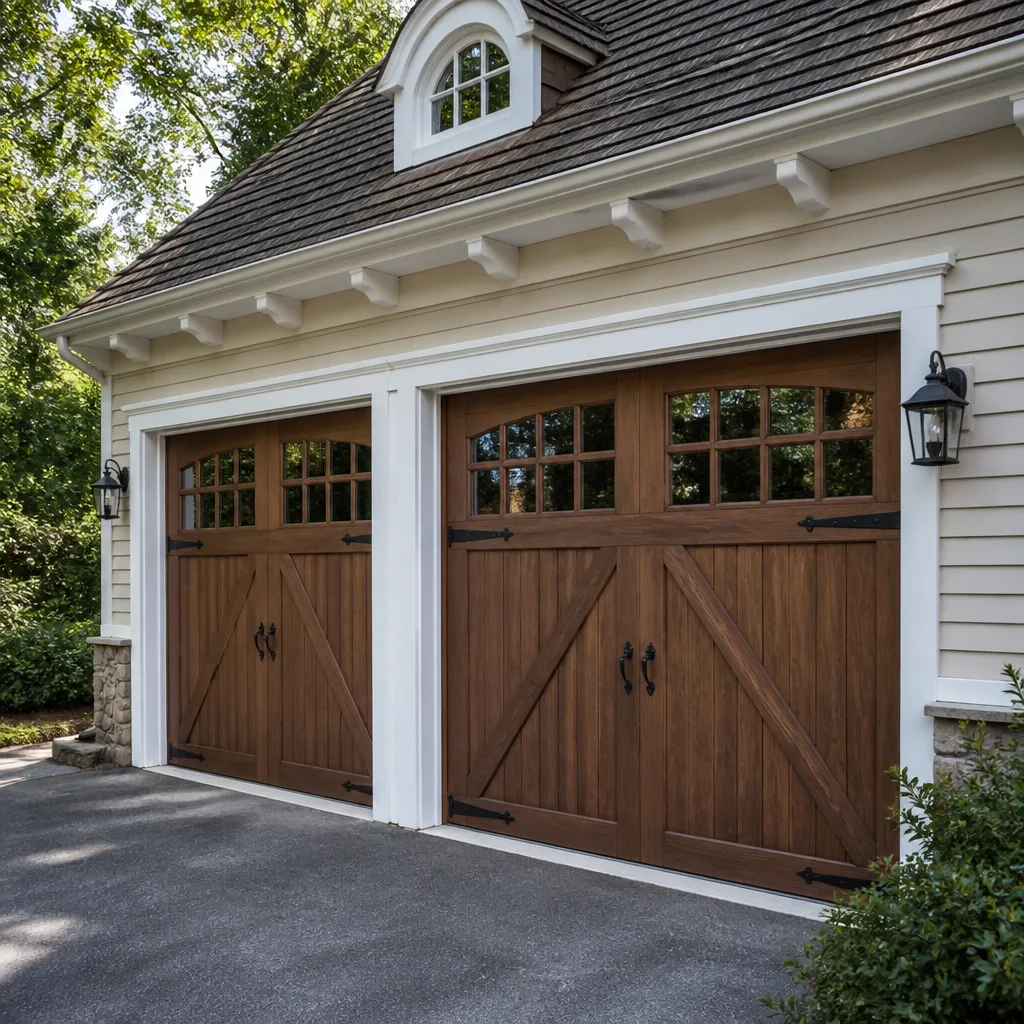 Carriage house
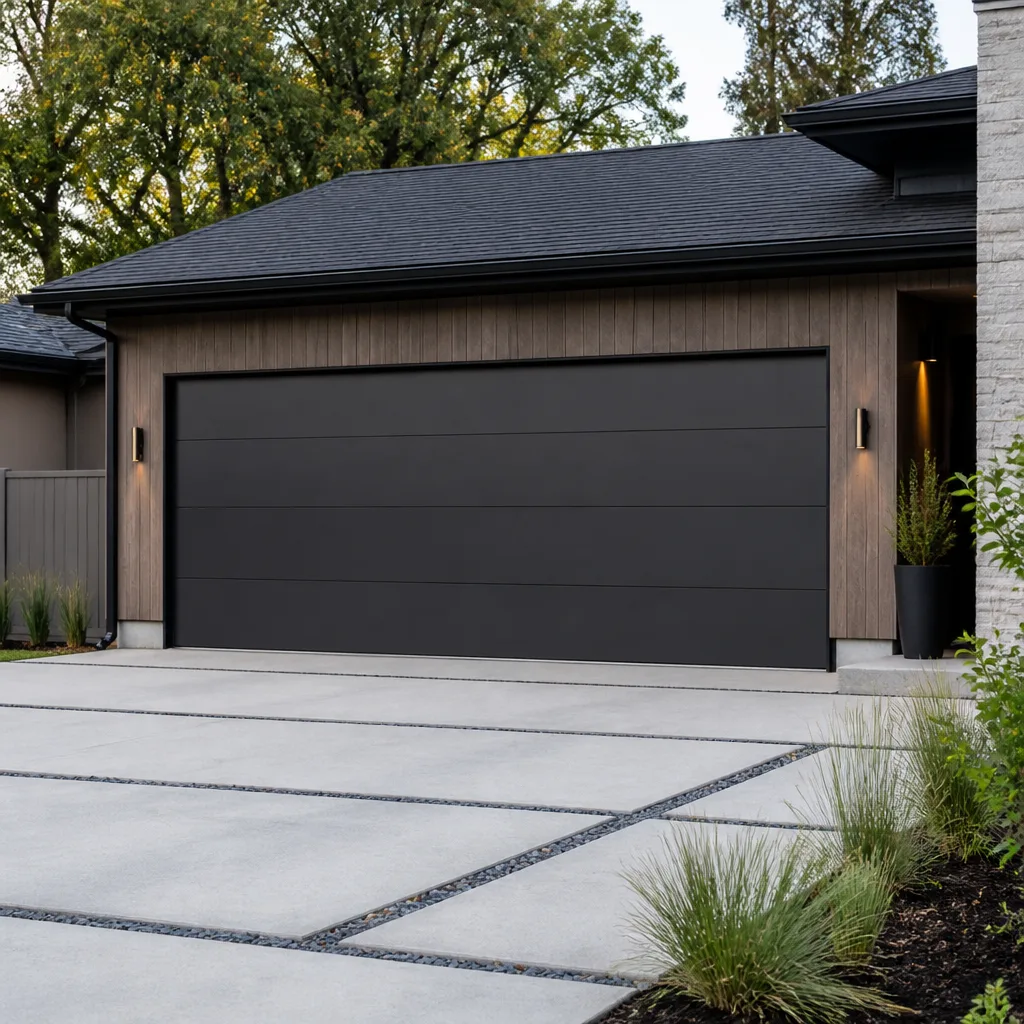 Modern flush
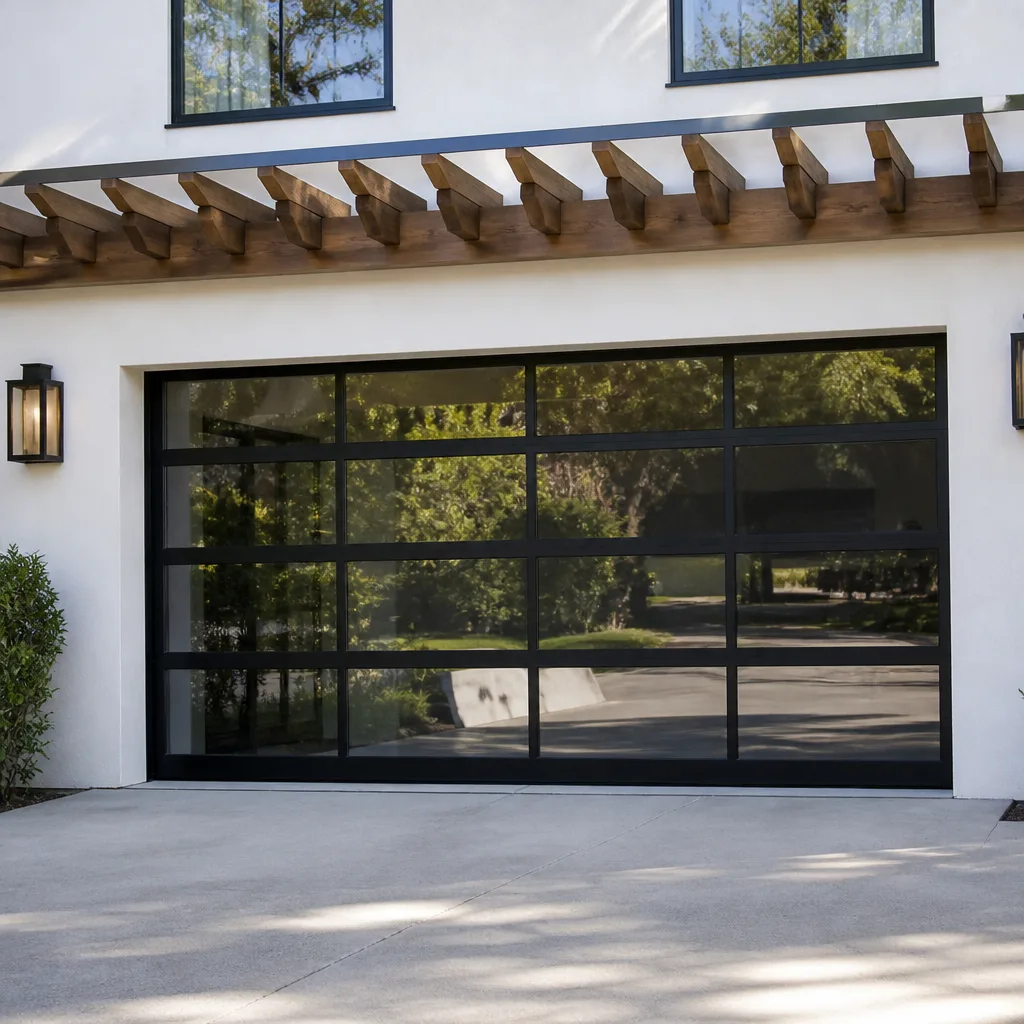 Full-view glass
 LiftMaster openers
 Chamberlain openers
Full 25-point door and opener safety check with every visit - springs, cables, rollers, tracks, and your LiftMaster or Chamberlain opener included
You get a price before we start. It does not change when the pro arrives.
Get your free estimateGarage Door Warning Signs: A Brockton Homeowner’s Reference Guide
A grinding noise and a scraping noise coming from your garage door opener are not the same problem. One points to the drive gear. The other points to the rail. Confuse them, and you end up paying for the wrong repair while the real culprit keeps wearing itself down. Most warning-sign guides stop at “unusual noises” and leave you exactly where you started. This reference goes further. It maps specific sounds, movements, and visual cues to the components they point to, so you can tell whether you’re looking at cosmetic wear or a structural failure that means stop using the door today. Brockton homes have their own patterns of wear, and this guide calls them out.
Quick Answer
Garage door warning signs fall into three tiers. Cosmetic wear, like scuffed panels or slight roller rattle, can be watched. Functional warning signs, like a slow door, a jerky motion, or a grinding opener, should be scheduled for repair soon. Safety-critical signs, like a snapped spring, a frayed cable, or a door that won’t stay up, mean stop using the door immediately and call for help. Knowing which tier a symptom belongs to tells you how urgently to act.
Styles & brands we work with
- Raised-panel steel
- Carriage house
- Modern flush
- Full-view glass
- LiftMaster openers
- Chamberlain openers
Table of Contents
- What Every Garage Door Sound Is Telling You
- Movement and Motion Cues: When the Door Moves Wrong
- Visual Warning Signs: Cosmetic Wear vs. Structural Failure
- Springs and Cables: The Signs You Must Never Ignore
- How Brockton’s Climate Speeds Up Certain Failures
- Opener Warning Signs and Brand-Specific Cues
- Which Signs Are Safe to Monitor and Which Mean Stop
- What to Have Ready When You Call for Service
What Every Garage Door Sound Is Telling You
Sound is the most useful diagnostic tool a homeowner has, and it’s the one most people describe too vaguely. When you call for service, the difference between “it’s loud” and “there’s a grinding from the opener head that stops when the door reaches the top” matters a great deal. That second description tells a technician which part to bring. Here’s how to name what you’re hearing.
- Grinding from the opener head: Usually a worn drive gear inside the opener. Common on older chain-drive units and often the first sign of internal wear. Grinding that gets worse as the door moves points to the gear train, not the door itself.
- Scraping along the rail or track: A metal-on-metal scrape as the door travels points to the rail, a bent track section, or a roller that’s come out of its channel. Scraping is a travel problem, not a drive problem.
- Squealing or high-pitched whine: Friction from dry rollers, hinges, or a torsion tube that needs lubrication. This is often the most fixable sound on the list.
- Popping or snapping: A single loud pop followed by the door refusing to lift usually means a torsion spring has broken. Stop using the door and call.
- Rattling that’s worse on the way down: Loose hinges, bolts, or a panel that’s working itself free. Rattling that intensifies under load deserves a look before it becomes a binding problem.
- Clicking with no movement: The opener is receiving the command but not engaging. Often a stripped gear, a failed capacitor, or a safety sensor issue.
Two of these sounds are near-cousins: grinding and scraping. Grinding lives in the motor housing. Scraping lives in the track and rail. If you can tell us which one you hear and roughly where it comes from, a technician arrives closer to the right diagnosis. Our technicians have up to 15 years of experience, and in our experience the sound described at the first call saves a whole step in the repair.
Movement and Motion Cues: When the Door Moves Wrong
How a door moves tells you almost as much as how it sounds. A healthy door travels in one smooth, steady motion and stops where you ask it to. When the motion changes, something in the system is straining. Watch the door from a safe distance, never standing directly under it, and note these patterns.
- The door jerks or stutters on the way up. This usually points to a binding track, a worn roller, or a torsion spring that’s lost tension. Jerky travel strains the opener, and an overworked opener is the next thing to fail.
- The door slows near the top. The opener is working harder than it should. On older LiftMaster or Chamberlain units, this can also indicate the opener is reaching the end of its lifting capacity for the door’s weight.
- The door comes down too fast or slams. The spring tension is unbalanced or the opener’s down-limit is set wrong. Slamming doors damage panels and put strain on the whole system.
- The door stops partway and reverses. The most common cause is a misaligned safety sensor, but it can also be a door that’s off-balance or a binding track. If the door reverses without anything in the path, the safety reverse system is doing its job. The question is why.
- The door sits unevenly, one side lower than the other. A sign of uneven spring tension or a cable that’s stretched. Left alone, this twists the door’s frame and can crack panels.
- The door won’t stay up when raised by hand. A balanced door should hold roughly at the halfway mark. If it drops or rises on its own, the spring tension is wrong, and this is a stop-using-the-door sign.
A Brockton door that’s had a few harsh winters often shows motion problems before it shows visual damage. Temperature swings flex the door and work the springs harder than a stable climate would. If your door only misbehaves on cold mornings, that’s useful information: mention it when you call so the technician checks tension and lubrication, not just the opener. For a door that’s gone fully off the rails, garage door repair covers the binding, track, and balance issues behind most motion problems.
Visual Warning Signs: Cosmetic Wear vs. Structural Failure
Not every scuff or dent matters. Some do. The trick is separating wear that only affects looks from wear that’s eating into the door’s structure. Here’s the practical line between the two.
Cosmetic wear you can monitor
- Faded paint, light surface rust on hardware, and scuffs on the bottom panel from a lawn mower or bike.
- Minor dents that don’t crack the panel or affect how the door seats against the frame.
- Dry, noisy hinges that quiet down with lubrication.
- Weather seal that’s starting to look worn but still seals when the door closes.
Structural failure that needs service
- Cracks that run across a panel: A crack that spreads lets the panel flex, and flexing panels break the whole door’s alignment.
- Bent or bowed panels: Even a slight bow stresses the track as the door travels and can bind the opener.
- Track sections that are out of line: Run your eye along the track from the floor to the ceiling. Any obvious kink or gap means the door isn’t running true.
- Rollers that are flat-spotted or cracked: A worn roller skips in the track and starts a chain of wear on the next roller and the track itself.
- A door that’s sagging at the hinge line: Hinges loosen over time, and a sagging section puts uneven load on the opener.
Door materials age differently in Brockton. Steel doors collect rust at the bottom edge where road salt from winter boots and cars gets tracked in, and that rust travels up a panel seam faster than most homeowners expect. Wood doors take on moisture during humid stretches and dry out in winter, which loosens joints. Knowing your door’s material helps you know what to inspect first. Whatever the brand on your door, whether it’s a Clopay steel door or an older Craftsman model, the signs are the same: look at seams, edges, and the hinge line before you look at the middle of a panel.
Springs and Cables: The Signs You Must Never Ignore
Springs and cables are the two parts of a garage door that carry real injury risk, and they’re the two parts where a warning sign means stop, not schedule. A garage door spring is under enough tension to cause serious injury if it releases unexpectedly. Cables are under the same tension and can whip loose. A trained technician handles these with proper tools and procedure; this is not a component for a homeowner to adjust, lubricate, or disassemble.
Spring warning signs
- A visible gap in a torsion spring: The spring has broken. The door may still be held up by the other spring if it’s a two-spring system, but stop using it.
- A popping sound followed by a door that won’t lift: A torsion spring has failed.
- Stretched or loose extension springs: Extension springs that hang slack or look stretched to their limit are a serious risk and should be replaced.
- Rust on the spring coils: Rust weakens the steel. A rusty spring can fail without warning, so rust is a schedule-a-replacement sign even if the door still works.
Cable warning signs
- Frayed strands poking out of the cable: A fraying cable is close to breaking. Stop using the door.
- A cable that looks slack or has come off its drum: The cable is no longer doing its job, and the door is running on spring tension alone.
- A door hanging unevenly with one side lower: Often a sign that a cable has slipped. Don’t force the door to close.
Spring repair is a specialty, not a general repair. It’s also the repair we most often see done wrong when a homeowner attempts it themselves. If you’re seeing any of the spring or cable signs above, do not run the door and do not try to close it by hand. Call for help. Our garage door spring repair work is built around the safety of that specific job, and a matched pair of springs is replaced together so the door stays balanced.
How Brockton’s Climate Speeds Up Certain Failures
Brockton sits in a climate with cold winters, humid summers, and a lot of seasonal freeze-thaw. That cycle is hard on a garage door. It’s also predictable, which means you can watch for the failures that come with it before they strand you.
- Rust travels faster on hardware than on panels. Hinges, bolts, and track sections pick up rust before the door panels do, especially at the bottom of the door where moisture collects. Check hardware first when you inspect.
- Weather seal shrinks in cold snaps. A seal that shrank in winter leaves a gap that lets in cold air and, more importantly, lets water sit at the door’s base where it rusts the bottom panel and the threshold.
- Bearings wear faster with temperature swings. The opener’s bearings and the door’s rollers get worked harder when the metal expands and contracts with the seasons. A roller that squeaks in January may be a roller that’s failing.
- Lubrication dries out in summer heat and stiffens in winter cold. A door that was quiet in fall often turns noisy by mid-winter because the lubricant has thinned and stiffened through the cycle.
- Freeze-thaw at the door’s base works the threshold loose. A garage floor that shifts in a freeze-thaw cycle can tilt the bottom of the door, and a door that doesn’t sit flush is a door that leaks heat and lets pests in.
The practical takeaway for a Brockton homeowner is a seasonal check. Walk the door in late fall before the cold sets in, and again in spring after the thaw. Look at seals, hardware, and the bottom edge. If something’s starting to fail, you’ll catch it in the mild weather instead of on a night when the door won’t close. When a garage door warning sign in Brockton shows up with a door that’s stuck open, that’s a security issue that can’t wait, and that’s the reasoning behind our emergency garage door service.
Opener Warning Signs and Brand-Specific Cues
The opener is the most misunderstood part of the system. People assume a failed opener is a dead motor, when often the motor is fine and the drive gear, capacitor, or sensor is the problem. The signs differ by brand, and knowing your brand helps a technician arrive with the right parts.
Signs the opener itself is failing
- The door moves a few inches and stops: Often a failing logic board or a limit switch that’s out of adjustment. On a Chamberlain or LiftMaster unit, a repeated short-travel stop is worth describing precisely when you call.
- The opener clicks but the door doesn’t move: A stripped gear is the most common cause on chain-drive units. The motor runs; the gear doesn’t engage.
- The opener runs slow or sounds strained: A worn capacitor on some models, or a door that’s out of balance and dragging. The opener is telling you the door is heavy.
- The remote only works up close: The antenna or the battery is the usual place to start. A remote that works at the wall but not the driveway points to signal, not the motor.
Safety sensor signs
The two small sensors at the base of the track are the most common reason a door reverses. If the LED on one sensor is off or blinking, the beam is broken or misaligned. Sunlight hitting the sensor directly can also cause a false reverse. Clean the lenses and check alignment before assuming the opener needs repair. If the sensor stays dark after a clean, the opener’s sensor circuit may be the problem.
Brand-specific notes
We’re factory-familiar with eight major brands: LiftMaster, Chamberlain, Genie, Clopay, Amarr, Wayne Dalton, Craftsman, and Raynor. When you tell us yours, we can often tell you which component on that model tends to fail first. A Craftsman opener from the same family as Chamberlain units shares drive parts and diagnosis paths. A Raynor door may have a spring configuration that changes how you check balance. Knowing the brand is half the diagnosis, and it’s why we ask before the technician leaves the shop. If your opener is the problem, garage door opener repair covers the sensor, gear, and logic-board issues behind most opener symptoms.
Which Signs Are Safe to Monitor and Which Mean Stop
This is the section most guides skip, and it’s the one that matters most. Some warning signs are safe to watch over a few weeks. Others mean the door should not be used until a technician sees it. Here’s the split.
Safe to monitor
- Squeaks and squeals that respond to lubrication and don’t come back within a week.
- Light surface rust that hasn’t reached a seam or the bottom edge of a panel.
- A remote that needs a battery or an antenna adjustment.
- A door that occasionally reverses when there’s nothing in the path and clears up when the sensor lenses are cleaned.
- Minor cosmetic dents that don’t affect how the door seats.
Stop using the door and call
- Any broken spring, visible gap in the spring coil, or pop followed by a door that won’t lift.
- Any frayed, slack, or off-drum cable.
- A door that won’t stay up when raised by hand.
- A door that hangs visibly uneven or one side that’s dropped.
- A door that slams down or reverses for no reason.
- A grinding opener combined with a door that’s stopped moving.
One rule covers all of it: if the door is moving differently than it did last week and you can’t point to a cause, treat it as unsafe until a trained technician checks it. A garage door is the largest moving part in most homes, and its springs and cables hold stored energy even when the door looks still. Our garage door repair team can look at the door and opener together, so you’re not bounced between two companies trying to figure out which one’s responsible.
What to Have Ready When You Call for Service
The better your description, the closer the technician is to the right diagnosis before arriving. That means fewer visits, less time with the door out of service, and a repair that’s done in one trip. Here’s the short list to have in front of you.
- The door’s brand and, if visible, the model: Look at the door face, the opener housing, and any sticker on the opener. LiftMaster, Chamberlain, Genie, Clopay, Amarr, Wayne Dalton, Craftsman, and Raynor are the ones we’re set up for.
- The specific sound and where it comes from: “Grinding from the opener head” and “scraping along the left track” point to two different repairs. Say which one.
- How the door moves: Jerks, slows, reverses, comes down too fast, sits uneven. Note the pattern and whether it changes with the weather.
- What you can see: Rust at seams, a gap in a spring, a frayed cable, a bent track section, a cracked panel.
- Door material and age of the door itself: Steel, wood, or aluminum, and roughly how old it is. Not the age of the company. The door’s age tells the technician which wear patterns to expect.
- Whether the door is open or closed right now: A door stuck open is a security problem and needs a faster response than a door stuck closed.
Have this ready and the call goes fast. We’ll ask what you’ve noticed, confirm the brand, and give you a free estimate before any work begins. In Brockton, that pre-call prep is the difference between a same-visit repair and a return visit once the right part is on hand.
Common Mistakes to Avoid
- Calling “unusual noise” and stopping there. The specific sound is the diagnosis. “Grinding from the opener” and “scraping from the track” lead to different repairs, and naming the wrong one means paying for the wrong part.
- Trying to adjust a spring or cable yourself. These parts are under extreme tension and can cause serious injury. A trained technician handles them with the right tools. This is not a homeowner job, full stop.
- Forcing a door that’s off-balance or hanging uneven. Running a door with a slipped cable or broken spring can warp panels and damage the track, turning a single repair into a door replacement.
- Ignoring rust at the bottom of the door. Brockton’s winters push road salt and moisture into the door’s base. Rust at a seam spreads, and a panel that’s rusted through is a panel that needs replacing, not a panel that gets a coat of paint.
- Assuming an opener failure is a dead motor. Most opener symptoms trace to a gear, a capacitor, a sensor, or a limit switch. Replacing the opener when the gear is stripped wastes money.
- Skipping the seasonal check. A walk-around in fall and spring catches seals, hardware, and bearings before the temperature swings that finish them off. A door that gets checked twice a year lasts longer than one that only gets attention when it fails.
- Letting two different companies handle the door and the opener. When the door binds and the opener strains, the fix is one job, not two. Splitting the work between a door company and an opener company usually means neither one sees the whole problem.
See the difference
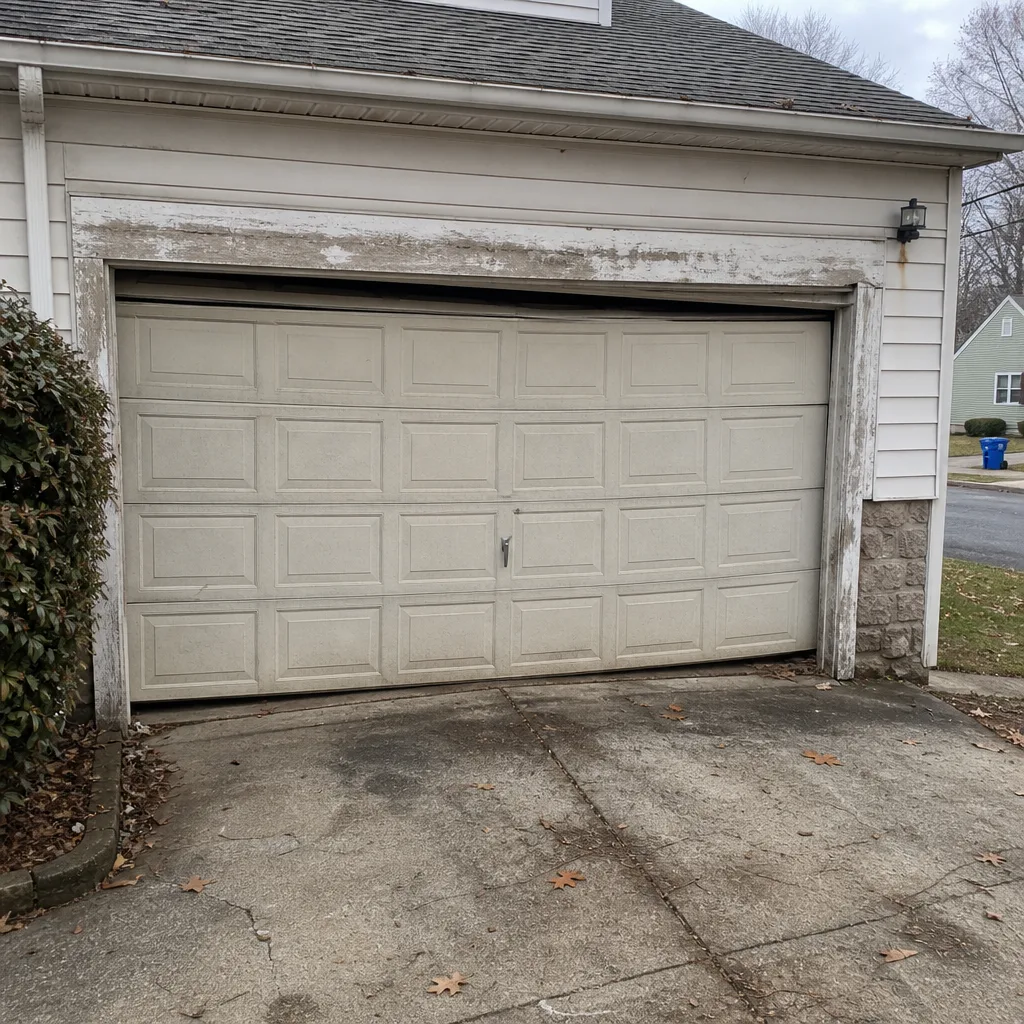 Before
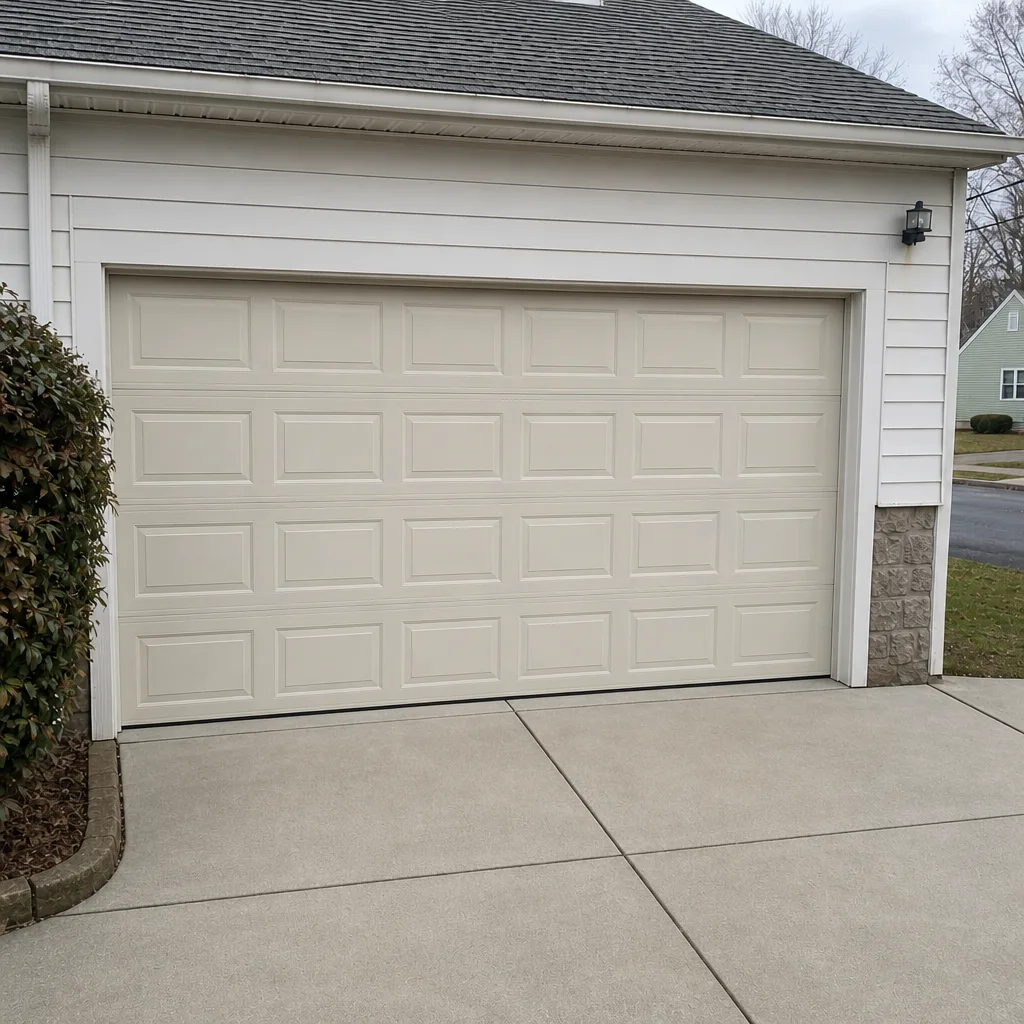 After
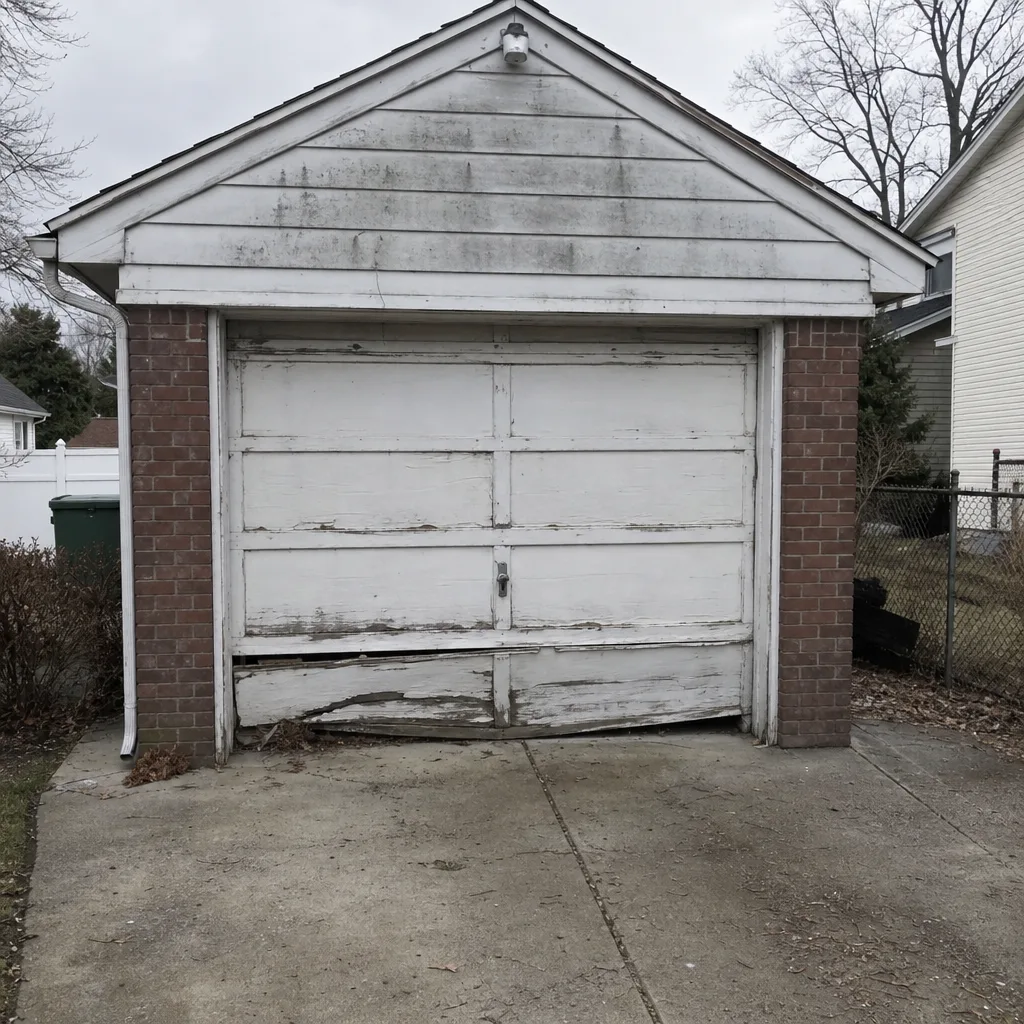 Before
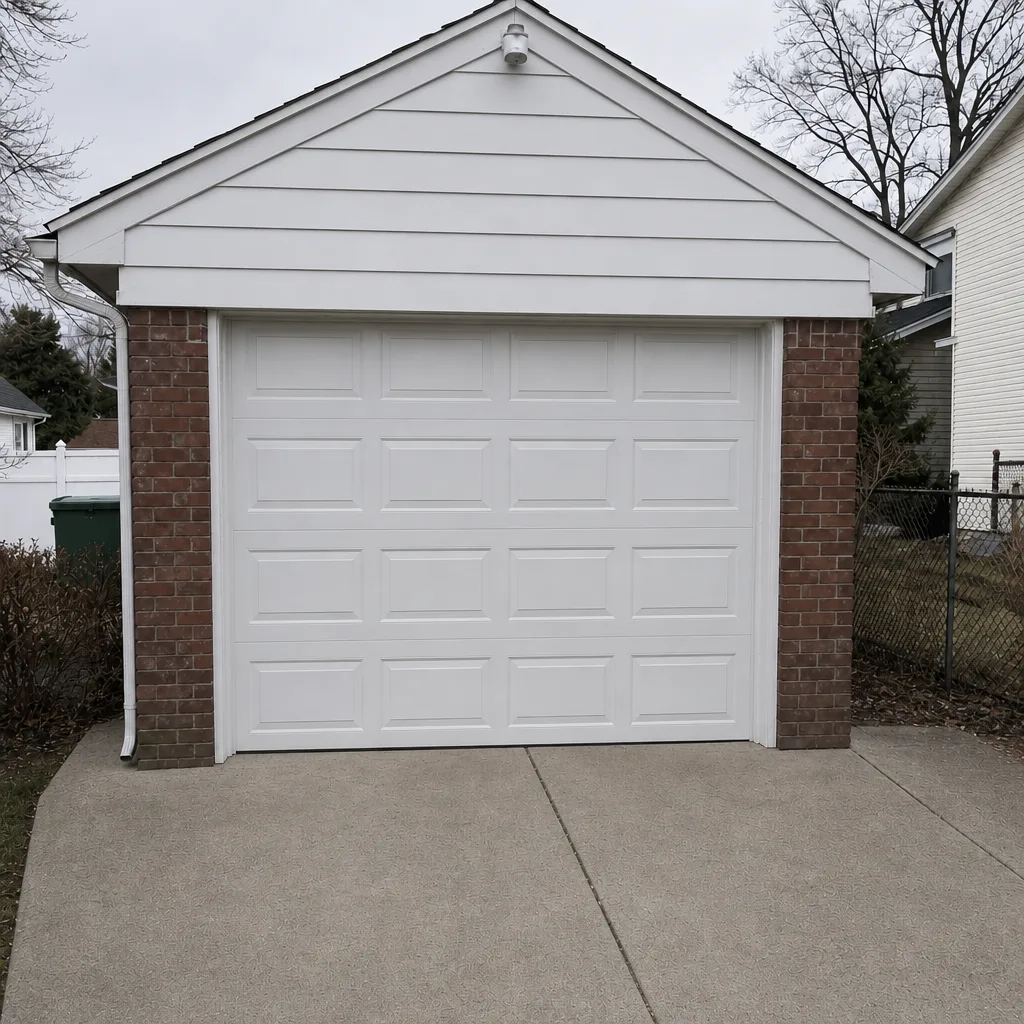 After
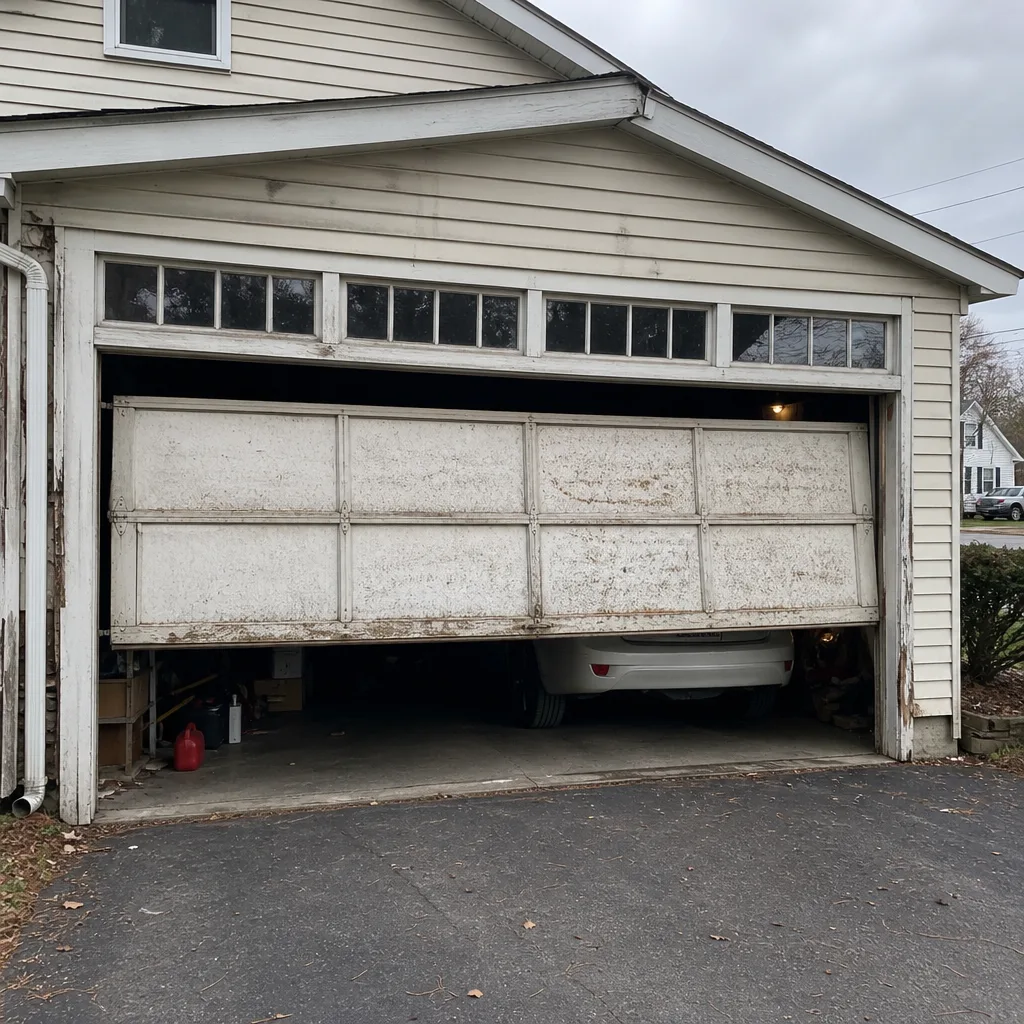 Before
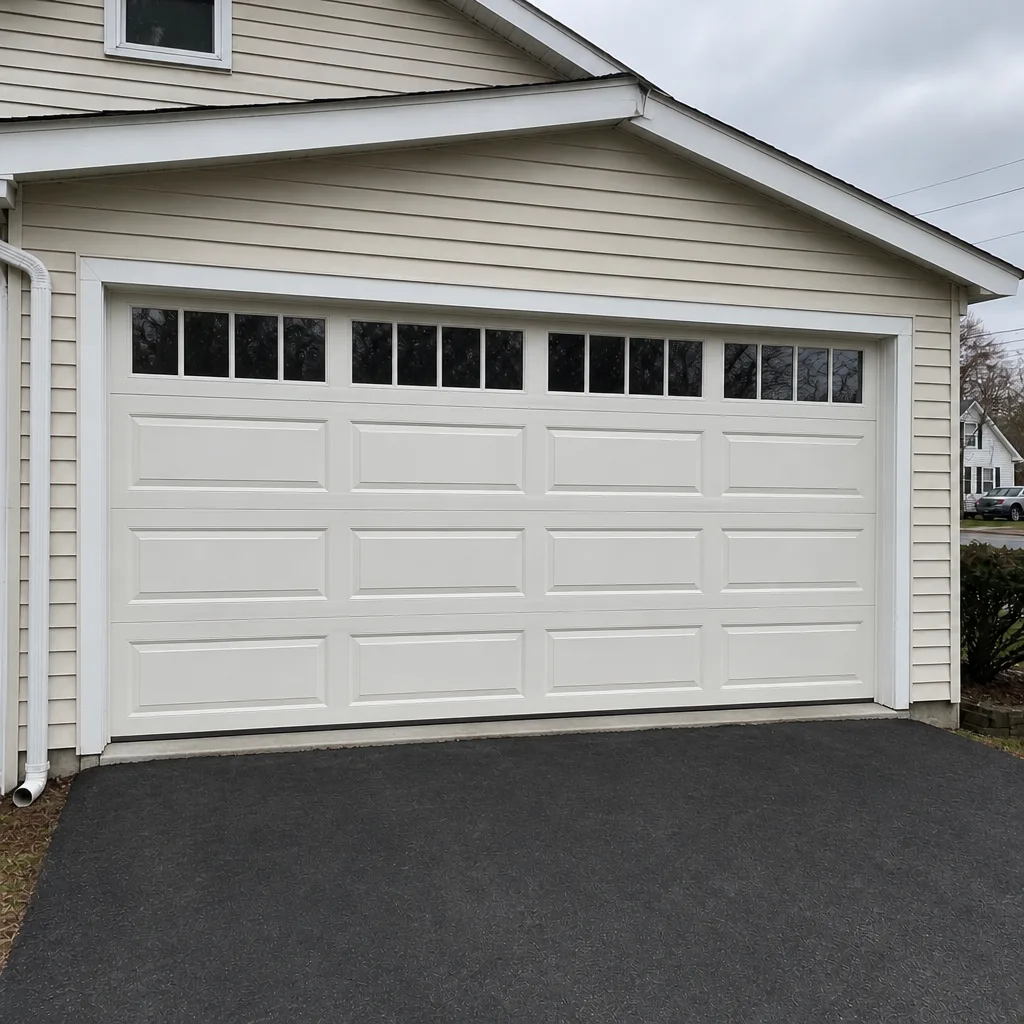 After
When to Call a Professional
Call a professional when a spring has broken, a cable is frayed or slack, the door won’t stay up by hand, or the door moves unevenly or slams. These are safety issues. Call when you hear grinding from the opener or scraping from the track, since both point to components that get worse with use. Call when you’re planning a new door and want the opener checked at the same time, so the system is matched from the start. And call when a door won’t close at all, because a garage standing open is a security problem that shouldn’t wait. Brockton Garage Door Repair Co offers free estimates in Brockton. Call (877) 335-4654 and have your brand and the sound ready. We’re closed on Saturdays.
Frequently Asked Questions
The most common warning signs are a grinding opener, a door that jerks or slows as it travels, a scraping track, and rust at the bottom edge of the door. All four are common in Brockton because cold winters and humid summers work the door’s springs, rollers, and seals harder than a stable climate would. Watch for them in late fall and after the spring thaw.
A grinding noise from the opener head usually means a worn drive gear, and it’s serious enough to schedule soon. The grinding usually gets worse with use, and running the opener on a worn gear can damage the motor. A scraping sound from the rail or track is a different problem, usually a track or roller issue. Call (877) 335-4654 for an exact quote. Estimates are free.
A broken torsion spring usually shows a visible gap in the coil, and the door often won’t lift by hand. You may hear a loud pop when it fails. If the spring is broken, stop using the door immediately and call a technician; springs are under extreme tension and should never be adjusted or removed by a homeowner.
No. Garage door cables are under the same tension as the springs and can cause serious injury if they release unexpectedly. A frayed, slack, or off-drum cable is a stop-using-the-door sign, not a DIY fix. Call a trained technician.
Most opener symptoms trace to a repairable part: a stripped gear, a failed capacitor, a misaligned sensor, or a limit switch. If the opener is a LiftMaster, Chamberlain, Craftsman, or Raynor model, we can often tell you which component is likely at fault before the visit. Replacement usually makes sense when the opener is old, has failed more than once in a short stretch, or no longer matches the door’s weight. Call (877) 335-4654 for a free estimate.
Have the door’s brand and model if visible, the specific sound and where it comes from, how the door moves, and whether the door is stuck open or closed right now. Door material and rough age of the door help too. That prep lets a technician arrive with the right parts and diagnose on the first visit. For a full system look, our Brockton Garage Door Repair Co team handles the door and the opener together.
The Bottom Line
Garage door warning signs only help if you can name them. A grinding opener is a drive-gear problem. A scraping track is a rail problem. A door that jerks or hangs uneven is a balance problem. A gap in a spring or a frayed cable is a stop-using-the-door problem. Brockton’s cold winters and humid summers speed up rust, seal shrinkage, and bearing wear, so check the door in late fall and again after the thaw. Watch the cosmetic signs. Schedule the functional ones. Stop the door the moment a spring, cable, or balance issue shows up. Have your brand, sound, and door movement ready when you call, and the repair happens on the first visit.
Contact Us
If a garage door warning sign has you unsure whether to watch it or stop using the door, call Brockton Garage Door Repair Co at (877) 335-4654 for a free estimate. We’ll ask what you’re hearing and seeing, confirm the brand on your door and opener, and give you a clear answer before any work begins. The price we quote is agreed before the technician starts, so there’s no surprise on the invoice. Whether it’s a grinding LiftMaster opener, a Craftsman door that won’t balance, or a spring that’s showing rust, we work on the brand you already have.
Written by the team at Brockton Garage Door Repair Co.