Last updated November 22, 2026
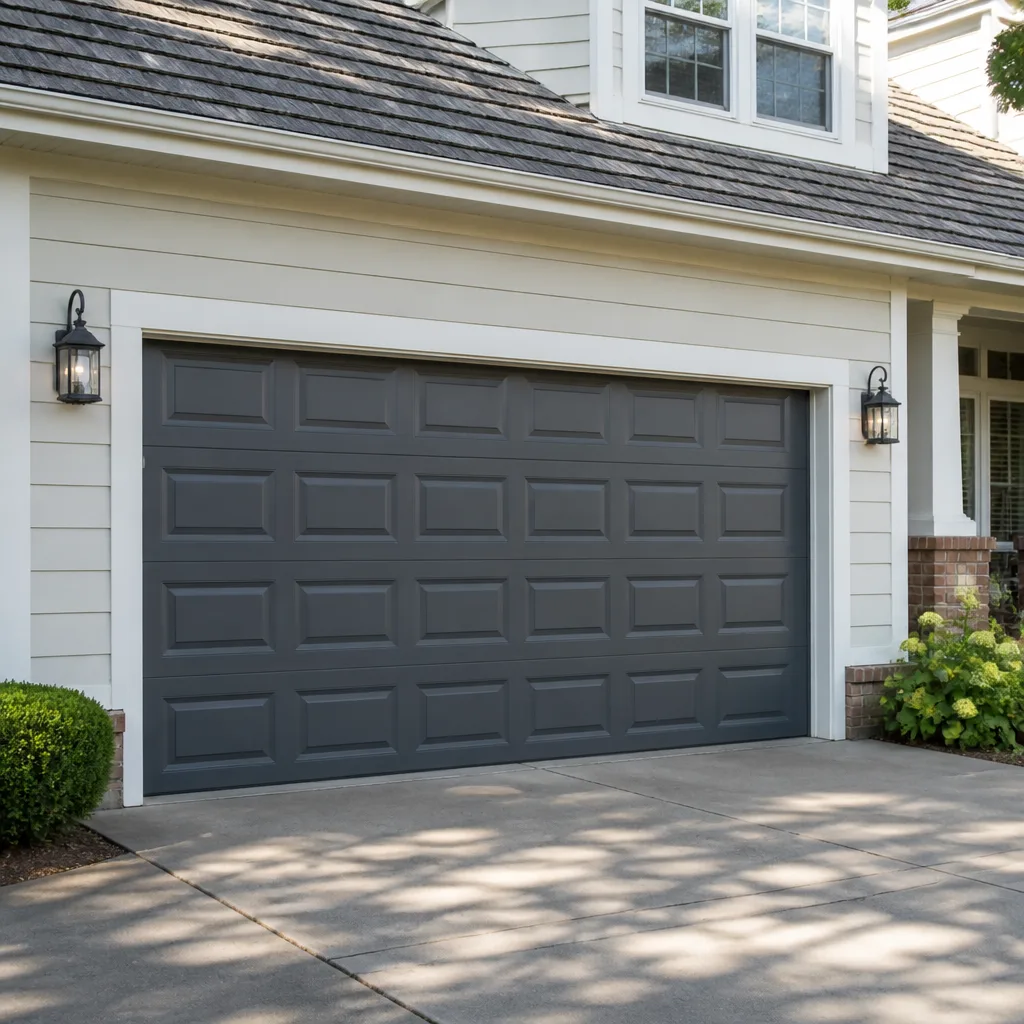 Raised-panel steel
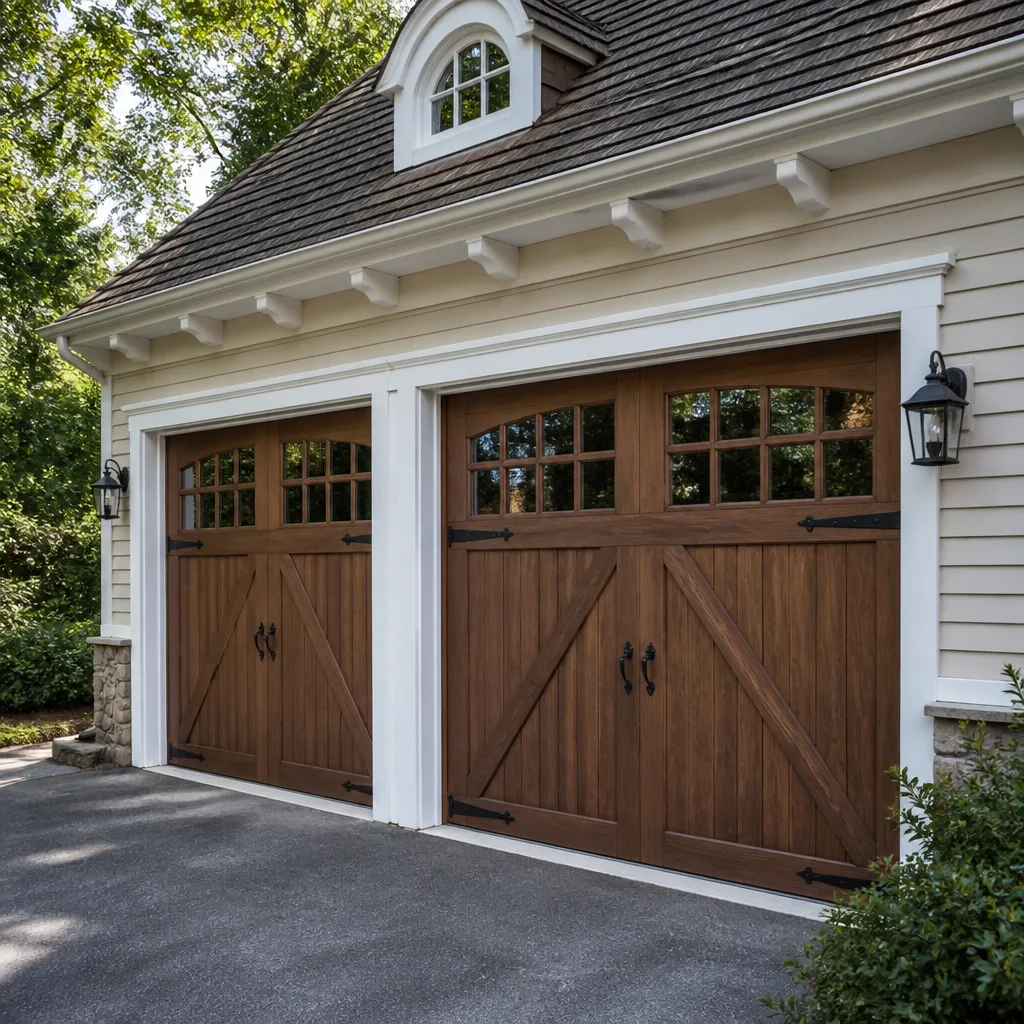 Carriage house
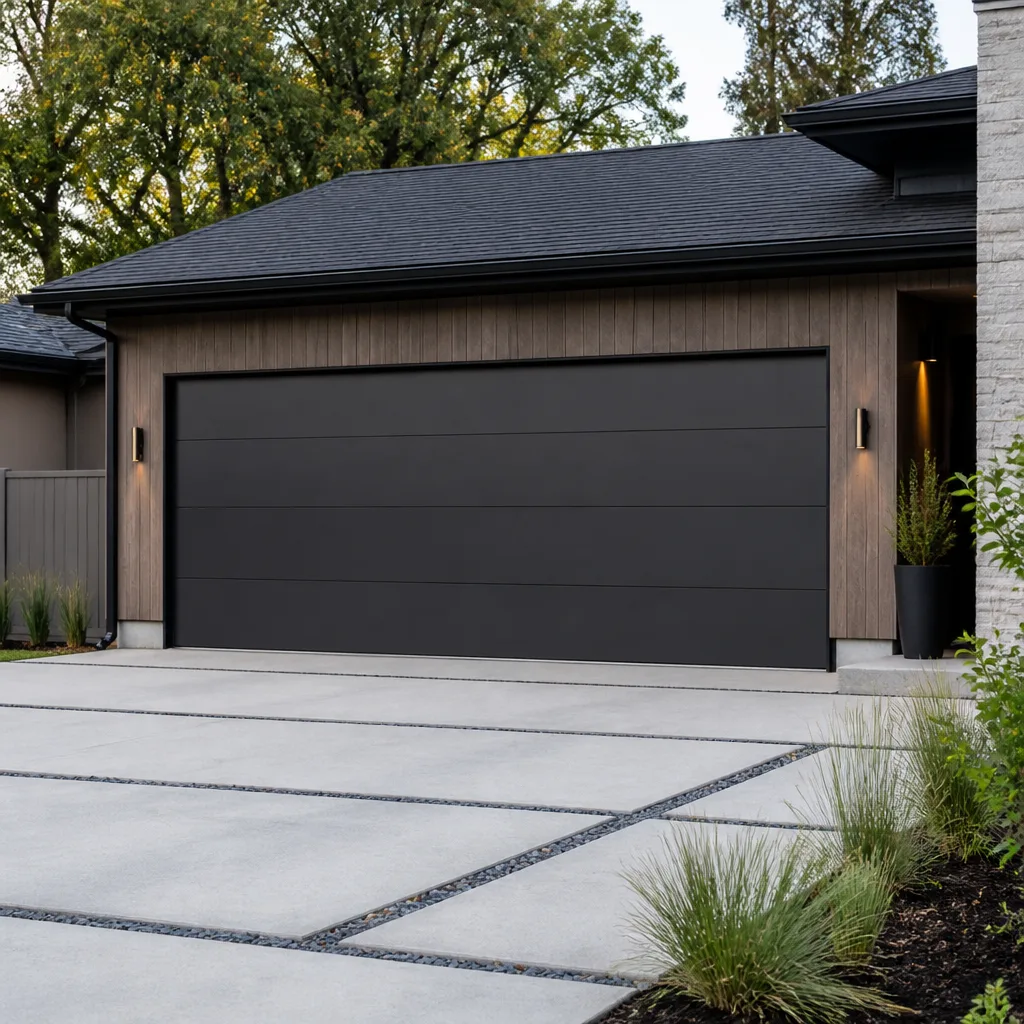 Modern flush
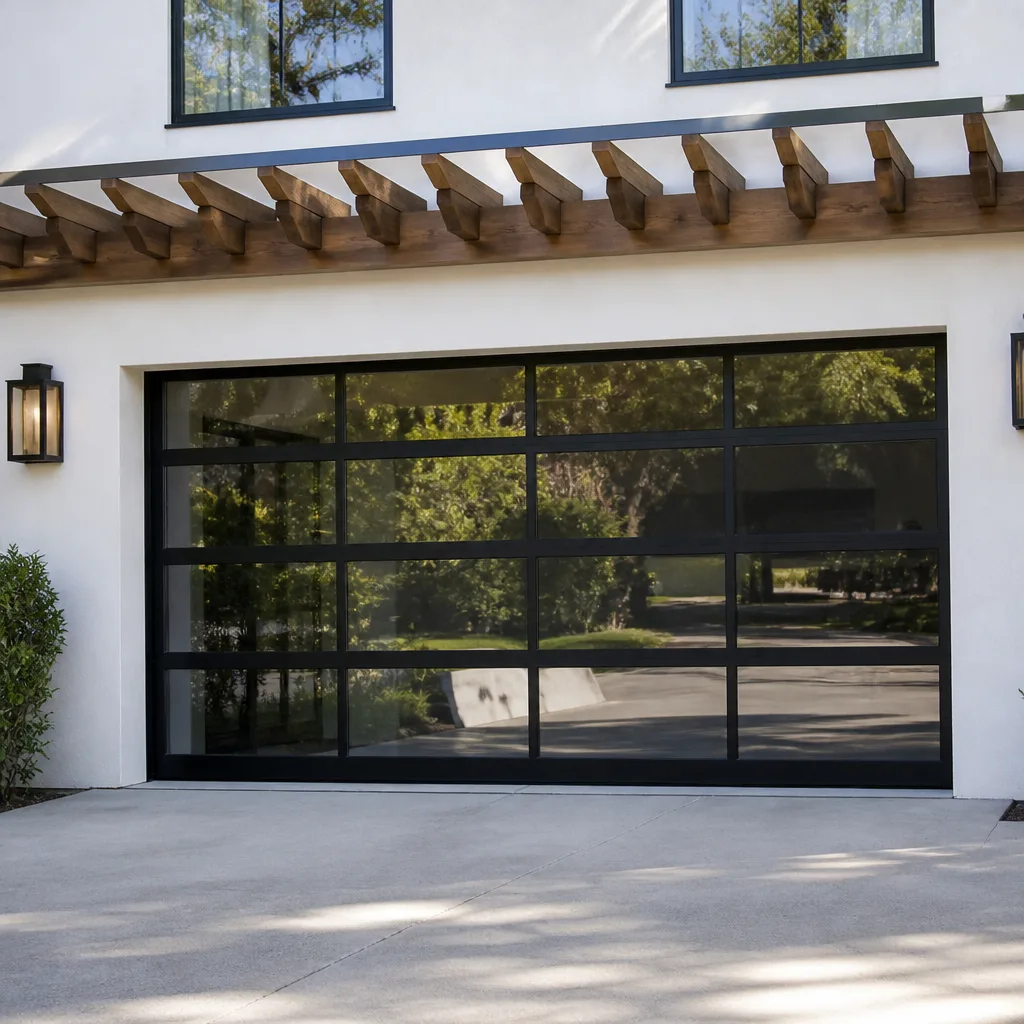 Full-view glass
 LiftMaster openers
 Chamberlain openers
Full 25-point door and opener safety check with every visit - springs, cables, rollers, tracks, and your LiftMaster or Chamberlain opener included
You get a price before we start. It does not change when the pro arrives.
Get your free estimateGarage Door Repair Troubleshooting in Brockton: Common Problems and How to Fix Them
A garage door that “just stopped working” is almost never a single broken part. In our experience, it’s usually one part that failed and two others it took with it – a snapped spring that let the door drop and bent a track, or a worn cable that threw the door off level and strained the opener. Homeowners in Brockton tend to chase the symptom, whether that’s the noise, the slowness, or the gap at the bottom, instead of finding the actual failure point. This guide maps what you’re seeing and hearing back to what’s really wrong, so you fix the right thing the first time. We’ll cover how to tell a spring from a cable from an opener, what a New England winter does to your door, and where the safe do-it-yourself line sits.
Quick Answer
Most garage door problems in Brockton trace back to one of four failure points: a broken torsion or extension spring, a frayed or slipped cable, a misaligned track, or an opener that’s lost its travel settings or drive gear. If the door won’t move at all and you heard a loud bang, suspect the spring first. If the door runs but drifts, jerks, or won’t close fully, suspect the opener’s limits, the safety sensors, or a track out of alignment. Anything involving springs or cables is a technician job, full stop.
Styles & brands we work with
- Raised-panel steel
- Carriage house
- Modern flush
- Full-view glass
- LiftMaster openers
- Chamberlain openers
Table of Contents
- Spring Failure vs. Cable Failure vs. Opener Failure
- Why Cold New England Winters Cause Garage Door Problems
- The Safe DIY Ceiling: What You Can Check Yourself
- Using the Manual Release Safely While You Wait
- Brand-Specific Quirks: Chamberlain vs. LiftMaster and Others
- Noise, Gaps, and Alignment Problems
- Opener Symptoms and What They Mean
- When to Call a Professional
How Do You Tell a Spring Failure From a Cable Failure or Opener Failure?
From inside the house, they look identical: you press the button, the opener hums or clicks, and nothing happens, or the door rises a few inches and stops. The difference shows up when you look at the door itself with the opener disconnected. Springs break with a report you can hear through the house, and the door suddenly feels far heavier than it did the day before. Cables fail more quietly – a few strands snap, the door goes crooked, and one side lags behind the other. Opener failures usually leave the door balanced and easy to lift by hand but unresponsive to the remote.
Here’s how to sort them out:
- Loud bang, door too heavy to lift: broken spring. On a torsion system you’ll see a visible gap in the coil above the door; on extension springs you’ll often see the broken spring hanging beside the track.
- Door crooked, cable slack or frayed: cable failure. A cable that’s come off its drum can whip, so don’t stand in line with it.
- Door lifts fine by hand but the opener does nothing: opener or safety-sensor problem, not a door problem.
- Door reverses immediately or closes partway: usually the safety sensors or the travel limits, not a mechanical break.
- Opener runs, door barely moves, grinding noise: a stripped drive gear or a broken trolley – common on older chain-drive units.
That last distinction matters because it sends you to the right service. A spring or cable issue is garage door repair, while a unit that runs but won’t move the door is a job for garage door opener repair. Getting the diagnosis right the first time saves you from paying for parts you didn’t need. And springs are the one part we’d tell any Brockton homeowner not to touch: garage door spring repair involves stored tension that can injure badly if released wrong.
Why Do Cold New England Winters Cause Garage Door Problems?
Brockton winters put your door through a stress cycle that generic national guides rarely mention, because they’re written for a country where a cold snap lasts a week. Here, the freeze-thaw rhythm runs for months, and it works on your door in three specific ways.
First, grease and lubricant thicken in the cold. The rollers, hinges, and opener’s screw or chain drag instead of gliding, so the opener has to work harder to move the same weight. A door that ran quietly in October starts groaning in January, and the added resistance shortens the life of the opener’s gears.
Second, metal contracts. Steel tracks, hinges, and the door panels themselves shrink slightly in low temperatures, which can pull a track out of plumb or throw the door’s alignment off just enough to bind. A track that was true in fall can develop a catch in winter that disappears by spring – a confusing symptom if you don’t know the cause.
Third, the freeze-thaw cycle at the threshold is brutal on the bottom seal and the concrete. Water gets into small cracks, freezes, and widens them. The bottom weather seal stiffens and stops sealing, letting cold air and moisture in, and the concrete at the door’s base can lift or crack. If your door suddenly won’t close all the way in February, check whether ice has built up under the seal before you assume the opener is at fault.
A little preventive work pays off here. Keeping the moving parts lubricated with a cold-rated product, clearing snow and ice from the threshold, and having the door balanced and the tracks checked before the deep cold sets in all reduce winter breakdowns. If your door has started struggling as the temperature drops, that’s a good time to book a check rather than wait for it to fail outright.
What Can You Safely Check Yourself, and What Requires a Technician?
There’s a clear line, and it’s drawn around stored energy. Anything that involves the springs, cables, or the torsion shaft is off-limits for a homeowner – those parts hold enough force to cause serious injury, and there’s no safe way to work on them without the right tools and training. Everything else – the opener, sensors, tracks, and the door’s balance – you can inspect and often adjust yourself.
Here’s the safe do-it-yourself ceiling:
- Test the balance. Disconnect the opener with the release cord, lift the door halfway by hand, and let go. A properly balanced door stays put. One that slams down or drifts up has a spring or balance problem – call a technician.
- Check the safety sensors. Look for a small LED on each sensor near the floor. If one is dark or blinking, wipe the lens, check that both are aimed at each other, and look for anything blocking the beam. This alone fixes a large share of “door won’t close” calls.
- Inspect the tracks visually. Look for dents, debris, or a track that’s visibly out of line with the others. You can gently clear debris, but don’t try to bend a track back into place – a misaligned track needs a technician’s gauges.
- Test the opener’s response. Use the wall button and a remote separately. If one works and the other doesn’t, the problem is the remote or its battery, not the door.
- Lubricate the moving parts. Rollers, hinges, and the opener’s rail benefit from a proper garage door lubricant. Avoid grease on the tracks themselves.
That’s where the safe list ends. Springs, cables, and the torsion assembly should always go to a trained technician. We’ve seen too many injuries from homeowners trying to wind or release a torsion spring by hand, and the risk simply isn’t worth it. For anything on the far side of that line, a quick call to a professional is the right move.
How Do You Use the Manual Release Safely While You Wait for Repair?
The red release cord hanging from your opener’s trolley is there so you can disconnect the door from the opener and move it by hand. Used correctly, it gets you in and out of the garage safely while you wait for a repair. Used carelessly, it can drop the door hard or leave it stuck open, and on a door with a broken spring, the door may be far heavier than you expect.
Follow these steps:
- Make sure the door is fully closed first. Pull the release only when the door is down. Releasing a raised door with a broken spring can send it crashing down.
- Pull the cord straight down and toward the door. You’ll feel the trolley disengage from the carriage. Don’t yank it sideways.
- Lift the door slowly by hand. If it feels extremely heavy or won’t stay up, don’t force it – it’s a spring problem, and the door should stay closed until a technician arrives.
- Prop the door open only if you must. If you need the opening clear, use a sturdy prop rated for the weight, and never leave it unattended.
- Re-engage the carriage before normal use. Once the door is closed, pull the release cord again or run the opener to re-latch the trolley. Test it before you rely on it.
If the door won’t close at all and the release won’t help, you have a security problem on your hands – an open garage is an open invitation. That’s where emergency service earns its keep. A door that won’t close is a genuine security risk that can’t wait until the next business day, and that’s exactly the situation our emergency service is built for. Call and we’ll get someone out as soon as we can.
Why Does the Same Symptom Mean Different Things on Different Brands?
Two openers can show the same symptom – say, the door reverses on the way down – and have completely different root causes depending on the brand and model. That’s why working on the brand you already have matters more than most homeowners realize. A generalist with a parts catalog will guess; a technician who knows the specific unit will diagnose by the book.
A few examples from the brands we work with:
- Chamberlain vs. LiftMaster: these two share a lot of engineering, but their safety-reversing behavior and limit-setting procedures differ by generation. A Chamberlain that reverses at the floor is often a sensor alignment issue, while the same symptom on an older LiftMaster frequently points to travel limits that have drifted.
- Craftsman: many older Craftsman units have a plastic drive gear that strips with age, producing a grinding noise and a door that won’t move. The symptom looks like a dead opener, but the fix is a gear replacement, not a new unit.
- Wayne Dalton: some Wayne Dalton doors use a proprietary torsion system that behaves differently from a standard torsion setup, and the balance check that works on most doors won’t tell you the whole story.
- Raynor: Raynor openers and doors have their own travel and force settings, and adjusting them the way you’d adjust a Chamberlain can make things worse.
We’re equipped to service LiftMaster, Chamberlain, Genie, Clopay, Amarr, Wayne Dalton, Craftsman, and Raynor products, which means we work on the brand you already have rather than pushing you toward a proprietary system. If you’re not sure what’s on your door, snap a photo of the opener’s label and the door’s hardware before you call – it saves time on the visit.
What Do Noise, Gaps, and Alignment Problems Actually Mean?
Noise is your door’s early warning system, and it’s worth listening to. A door that’s always been quiet and suddenly grinds, squeals, or bangs is telling you something has changed. The trick is matching the sound to the part.
- Squealing or grinding: dry or worn rollers and hinges, or a failing opener bearing. Lubrication often quiets it; if it persists, a roller or bearing is wearing out.
- Banging or popping: a cable that’s jumped its drum, a loose hinge, or a door that’s come out of balance. Stop using the door and have it checked.
- Rattling: loose hardware – bolts, hinges, or the opener’s rail mounts. Usually a simple tighten, but worth a look before it loosens further.
- A gap at the bottom or sides: a worn bottom seal, a track out of alignment, or a door that’s no longer square. In Brockton, a gap lets in cold air and moisture all winter, so it’s worth fixing before the freeze sets in.
Alignment problems show up as a door that binds partway up, a visible gap on one side, or a door that rubs the frame. A track that’s been knocked out of line – by a car bumper, a stray ball, or simple settling – needs to be realigned with the right gauges, not bent by hand. If your door is rubbing or binding, that’s a sign to stop running it and get it looked at before the opener’s gears take the strain.
What Do Common Opener Symptoms Tell You?
Openers fail in predictable ways, and the symptom usually narrows down the cause fast. Here’s a quick reference for the most common ones we see in Brockton:
- Door reverses immediately after starting down: safety sensors misaligned, blocked, or dirty. Check the sensor LEDs first.
- Opener hums but the door doesn’t move: stripped drive gear, broken trolley, or the manual release is still disengaged. Check the release first, then suspect the gear.
- Remote works but the wall button doesn’t (or vice versa): a wiring or battery issue, not a door problem. Test each control separately.
- Door stops partway up or down: travel limits have drifted, or the opener is hitting its force limit because the door is binding. If the door moves freely by hand, it’s the opener; if it’s stiff, it’s the door.
- Opener clicks but nothing happens: a failed logic board or capacitor, common on older units.
- Lights flash but the door won’t move: on many LiftMaster and Chamberlain units, this is the safety-reversing system telling you something is blocking the beam.
The pattern to remember is this: if the door is balanced and moves easily by hand, the problem is in the opener. If the door is stiff or heavy, the problem is in the door, and a new opener won’t fix it. Getting that call right is half the diagnosis. If you’re not sure, a technician can test both in a single visit.
Common Mistakes to Avoid
- Assuming a dead opener means you need a new one. Many “dead” openers are a stripped gear, a tripped breaker, or a disconnected release. A diagnostic visit is far cheaper than a replacement.
- Bending a track back by hand. A track that’s out of line needs to be realigned with the right tools. Bending it by hand usually makes the binding worse and can damage the door’s rollers.
- Trying to wind or release a torsion spring yourself. This is the single most dangerous mistake a homeowner can make with a garage door. Springs hold enough force to cause serious injury – leave them to a trained technician.
- Ignoring a winter gap at the bottom seal. In Brockton, a worn seal lets in cold air and moisture that can freeze and damage the threshold. Fixing it early prevents a bigger repair later.
- Over-lubricating the tracks. Grease on the tracks attracts grit and makes the door bind. Lubricate the rollers and hinges, not the tracks.
- Pressing the button repeatedly when the door won’t move. If something is binding or a spring is broken, repeated cycles put extra strain on the opener and can turn a small repair into a big one.
- Releasing a raised door with a broken spring. This can send the door crashing down. Always release with the door fully closed.
See the difference
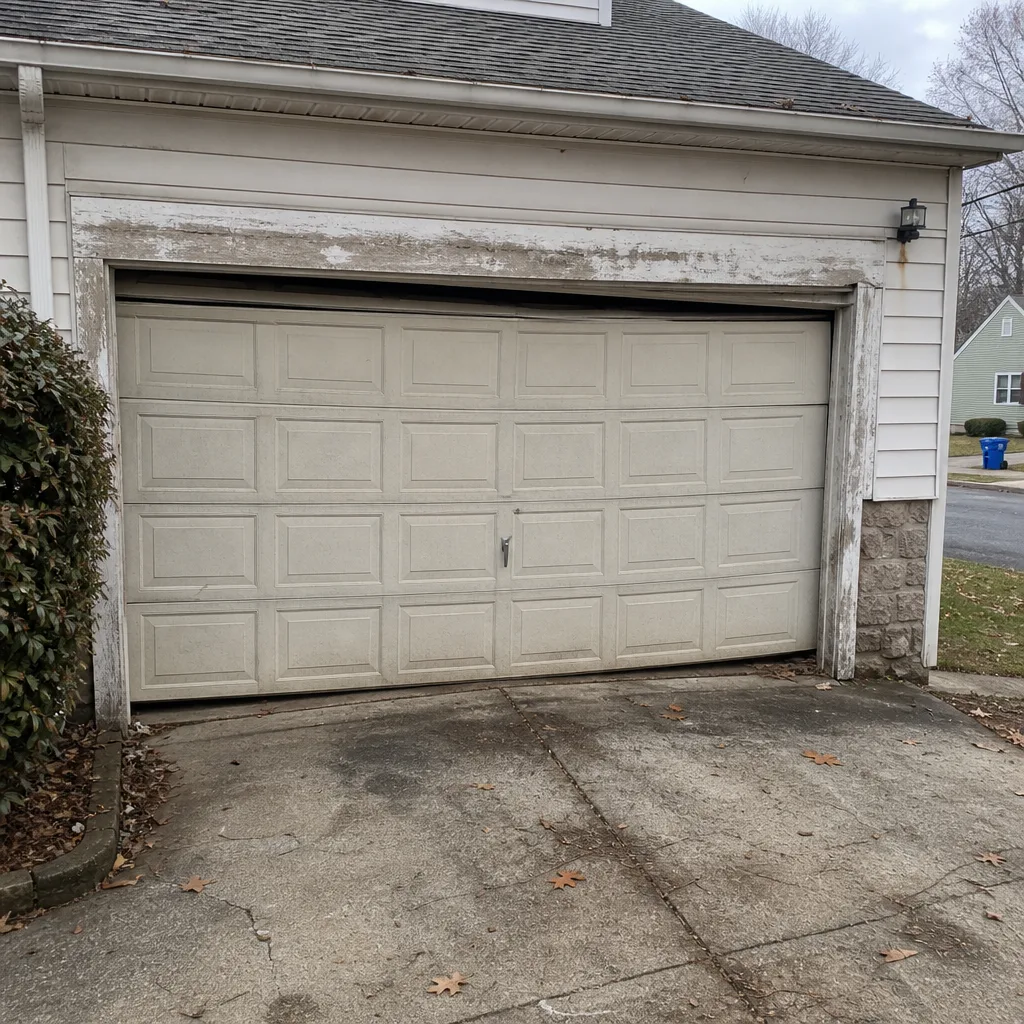 Before
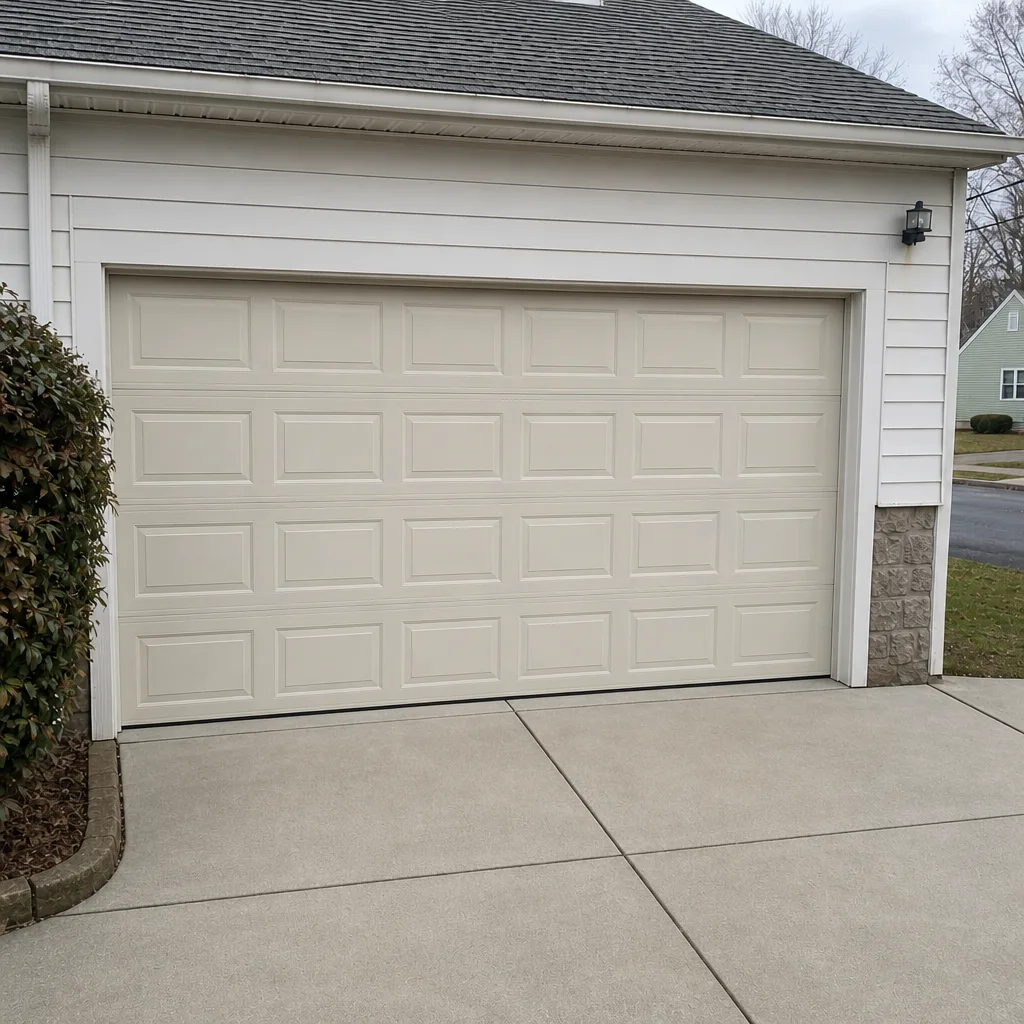 After
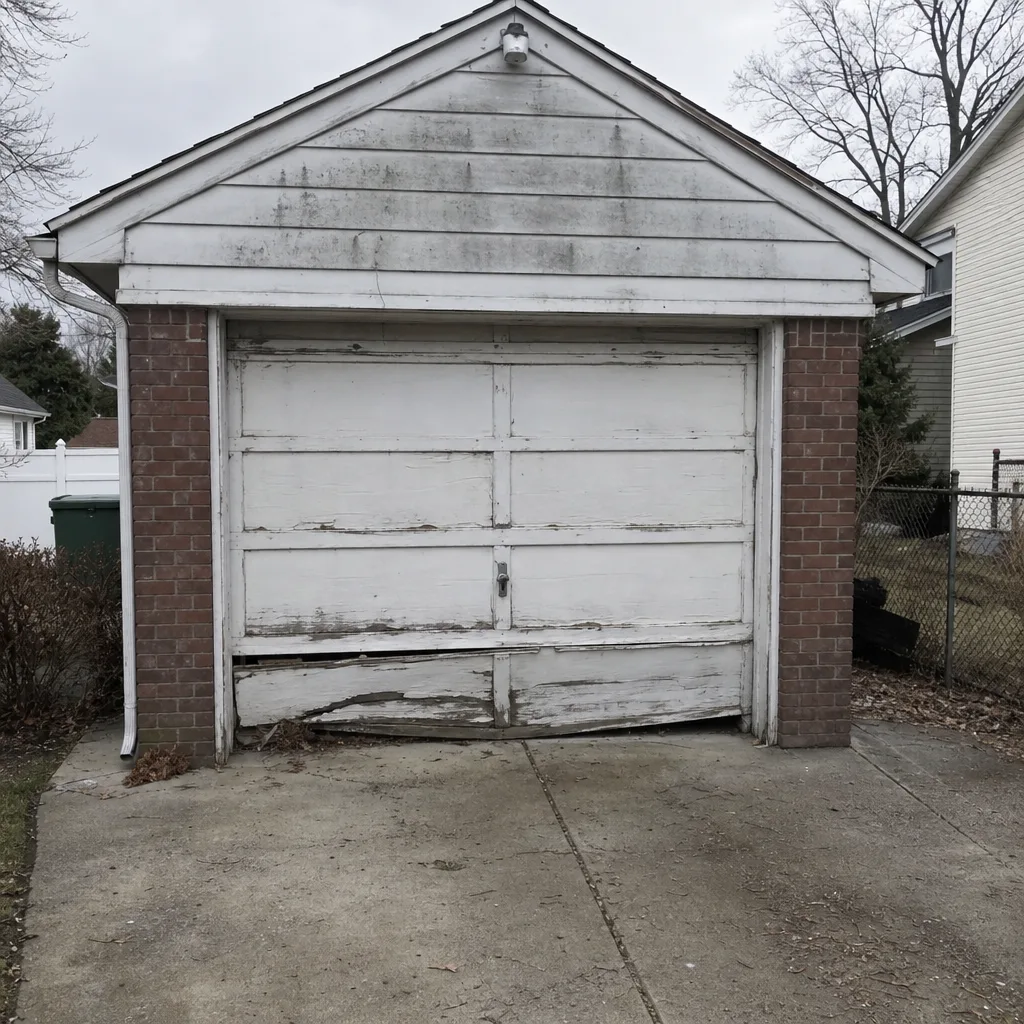 Before
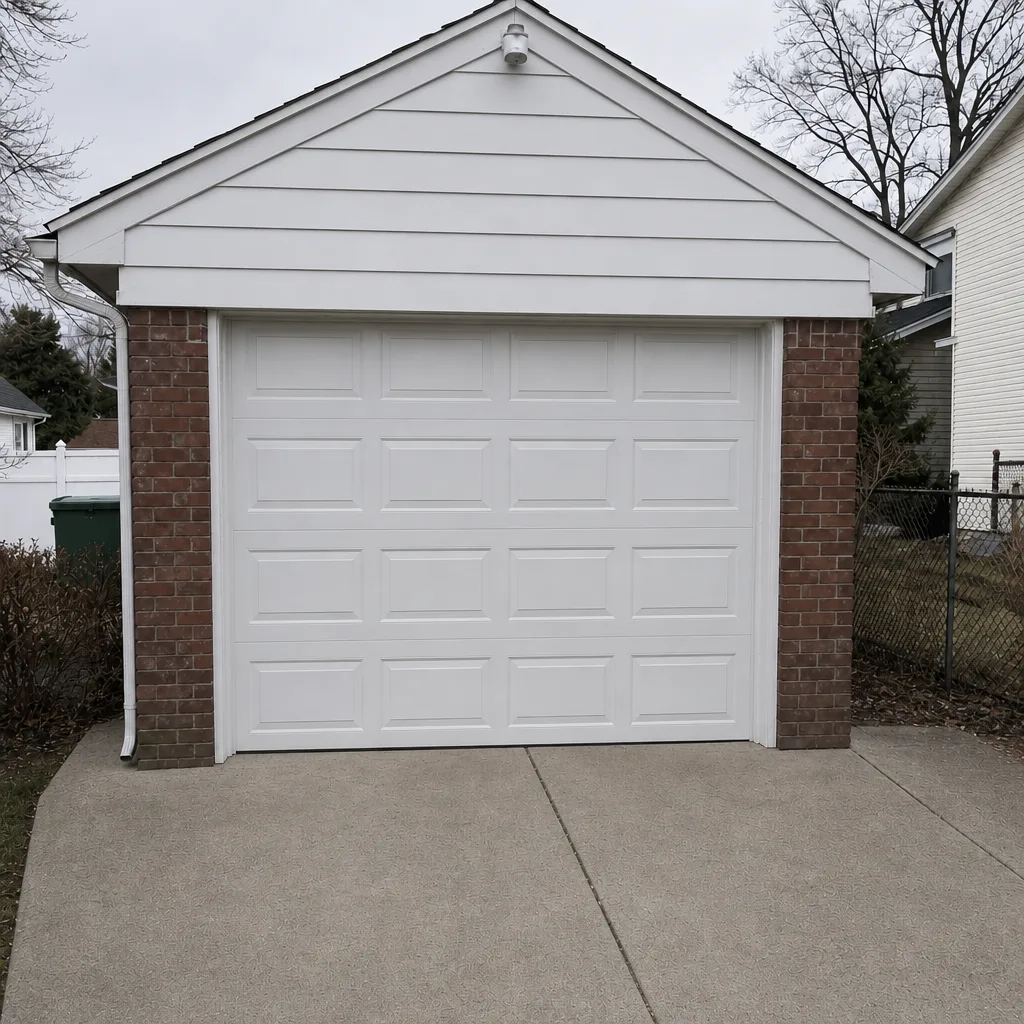 After
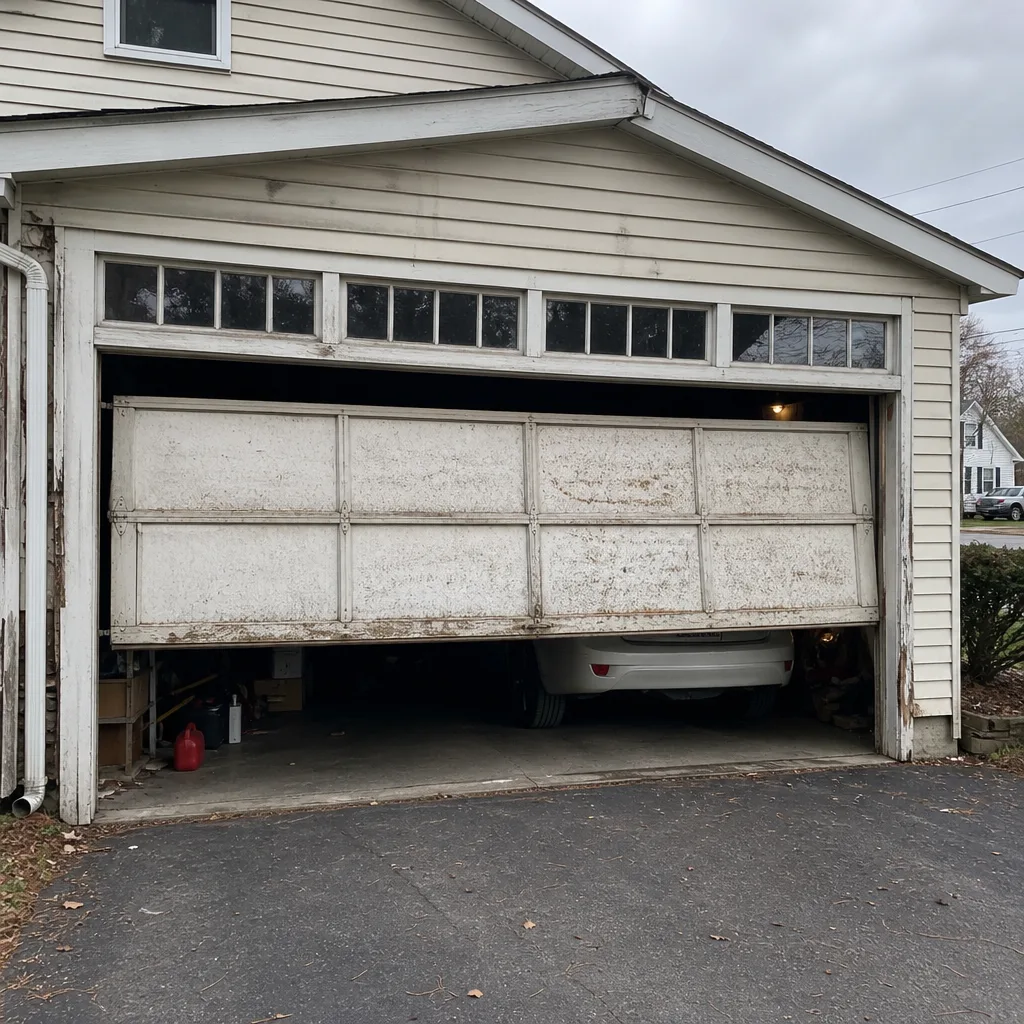 Before
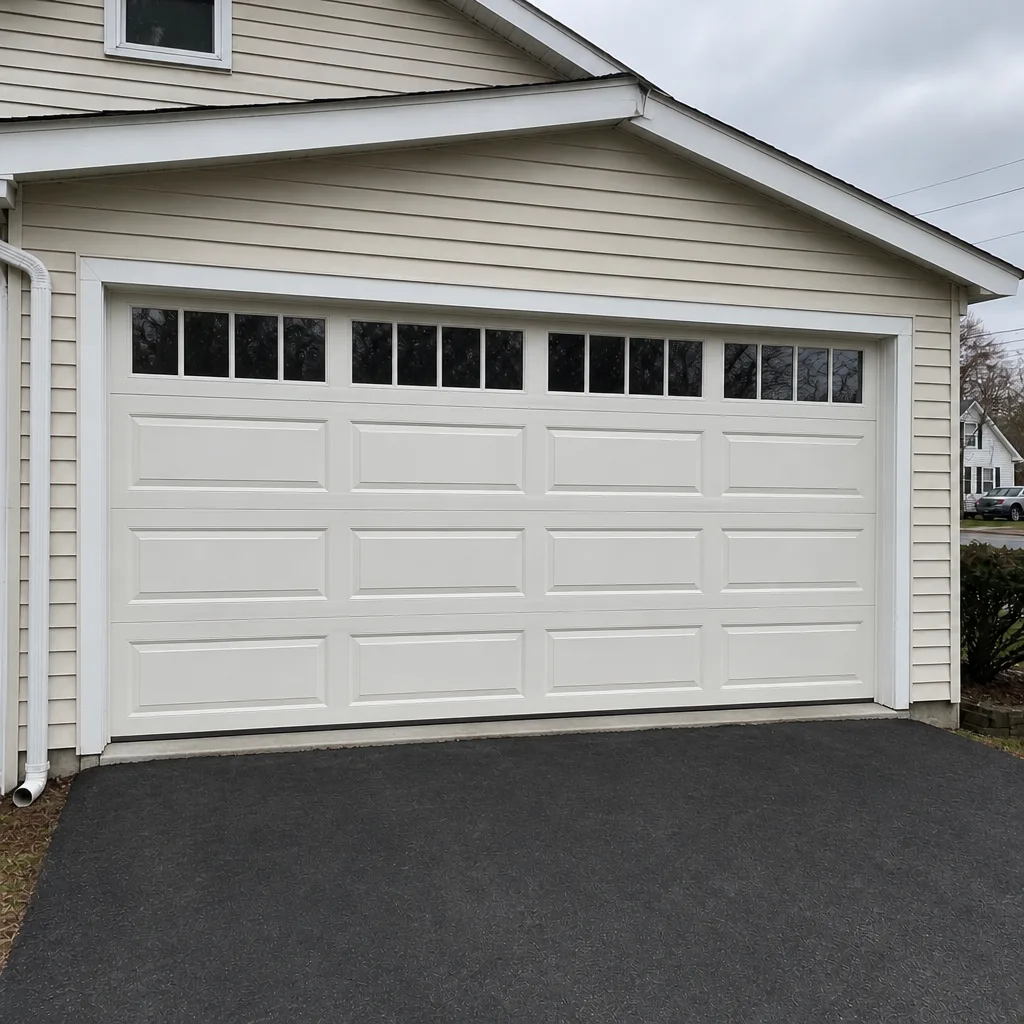 After
When to Call a Professional
Call a professional the moment the problem involves a spring, a cable, or the torsion assembly – those are the parts that carry stored energy and can hurt you. Also call if the door is visibly crooked, if it won’t close all the way, if you hear a loud bang followed by a door that won’t lift, or if the opener runs but the door doesn’t move. If you’re unsure whether the issue is the door or the opener, a diagnostic visit sorts it out and saves you from buying the wrong part.
Brockton Garage Door Repair Co offers free estimates in Brockton – call (877) 335-4654. Our technicians have up to 15 years of experience, and we’re equipped to work on LiftMaster, Chamberlain, Genie, Clopay, Amarr, Wayne Dalton, Craftsman, and Raynor products. We’ll diagnose the real failure point, tell you what it’ll take to fix it, and quote the price before any work starts. If you’re facing an emergency – a door that won’t close and leaves your home exposed – call and we’ll get someone out as soon as we can. If you’d rather start by getting a feel for what’s involved, our Brockton Garage Door Repair Co page lays out what we do.
Frequently Asked Questions
Most common repairs in Brockton run a few hundred dollars, and the exact price depends on the part and the door type – a broken spring, a snapped cable, or a misaligned track each fall in a different range. The written estimate sets the final price, and we quote it before any work starts. Call (877) 335-4654 for an exact quote – estimates are free.
For emergency situations like a door that won’t close and leaves your home exposed, yes – emergency garage door service is a core offering and we’ll get someone out as soon as we can. For routine repairs and diagnostics, we schedule the visit around your availability. Call (877) 335-4654 and we’ll tell you the soonest we can be there.
No – the price we quote is the price you pay, and we agree on it before any work begins. If we find an additional issue once we’re on site, we’ll explain it, show you what we found, and quote it separately before touching anything. You’ll never get an invoice that’s bigger than the quote you approved. Call (877) 335-4654 to get started.
The local pros we connect you with are licensed and insured as their state requires, and they’re experienced with the major brands. Our technicians have up to 15 years of experience working on LiftMaster, Chamberlain, Genie, Clopay, Amarr, Wayne Dalton, Craftsman, and Raynor products. Call (877) 335-4654 with any questions before you book.
Cold thickens lubricant, contracts metal in the tracks, and drives freeze-thaw cycles at the threshold – all of which increase resistance and cause binding that doesn’t show up in warmer months. A door that’s sluggish or noisy in January usually needs lubrication, a balance check, or a track alignment. If it won’t close fully, check for ice under the bottom seal first, then call (877) 335-4654 if it persists.
Repair is usually the right call when the door is otherwise in good shape and the problem is a specific part like a stripped gear, a bad capacitor, or a sensor. Replacement makes sense when the unit is failing in multiple ways or parts are no longer available. A diagnostic visit tells you which you’re facing, and the written quote lets you decide. Call (877) 335-4654 for a free estimate.
The Bottom Line
Most garage door problems in Brockton come down to one of four failure points: a broken spring, a failed cable, a misaligned track, or an opener that’s lost its settings or a gear. The key is to read the symptom correctly – is the door heavy by hand, or is it the opener that’s struggling? Answer that and you know which service you need. Leave springs and cables to a technician, check sensors and balance yourself when it’s safe, and keep the moving parts lubricated through the winter freeze-thaw. If you’re unsure, a free estimate from Brockton Garage Door Repair Co sorts it out. Call (877) 335-4654 for a free estimate.
For a broader look at everything we handle, from new installations to ongoing repairs, visit Brockton Garage Door Repair Co.
Written by the team at Brockton Garage Door Repair Co.