Last updated November 22, 2026
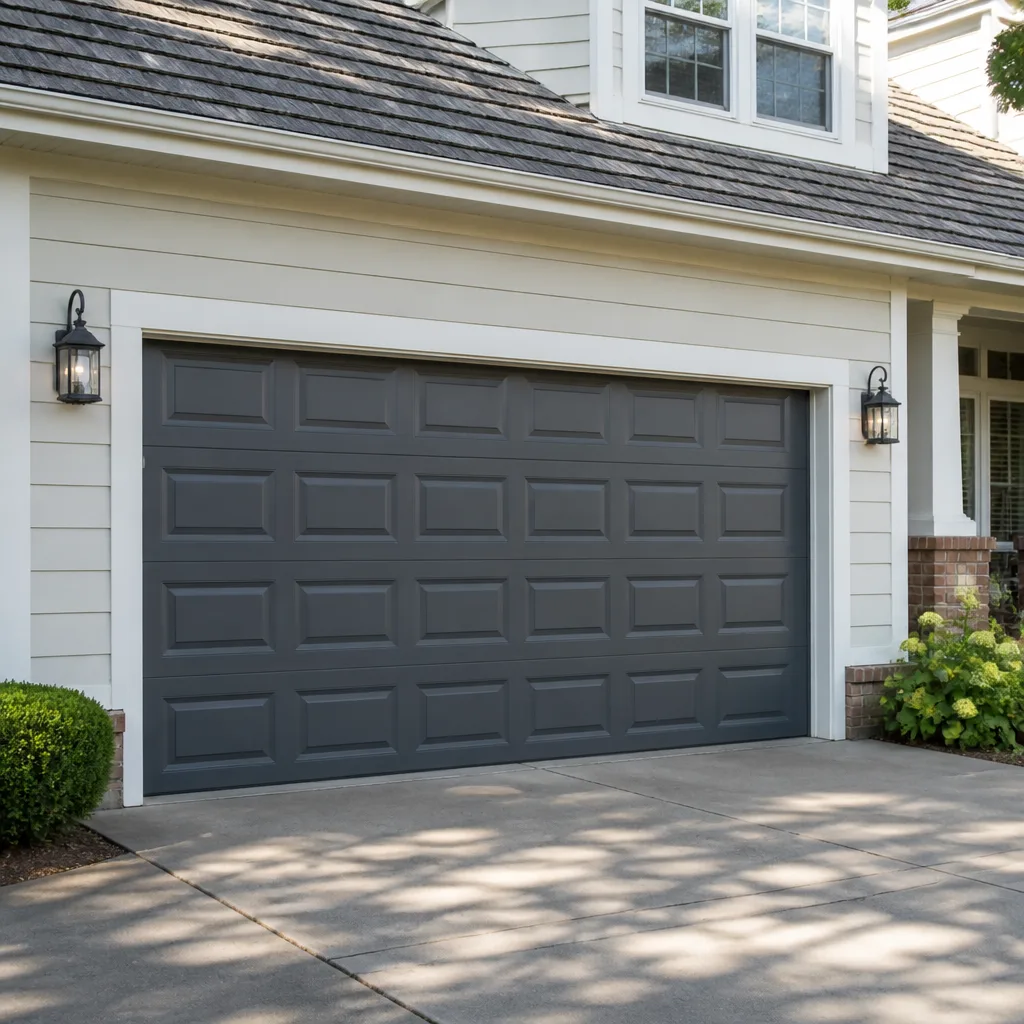 Raised-panel steel
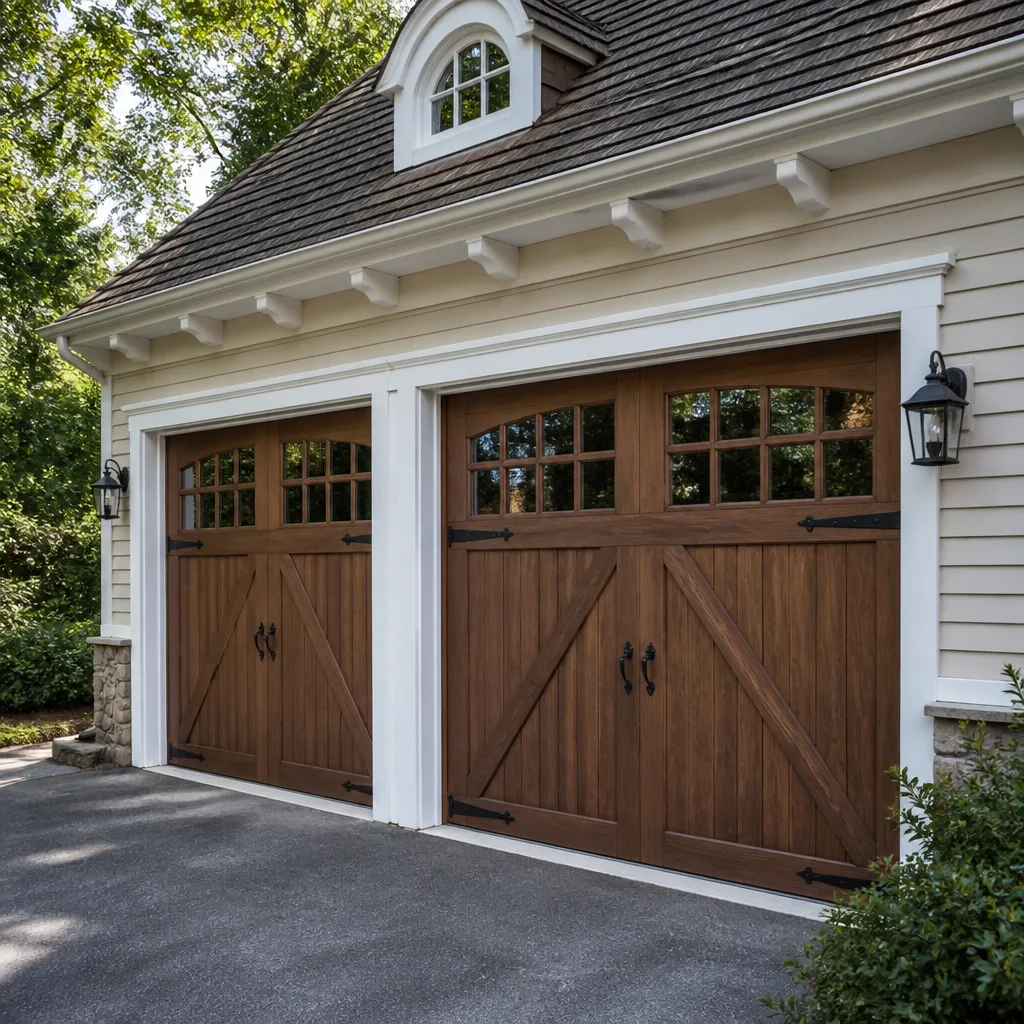 Carriage house
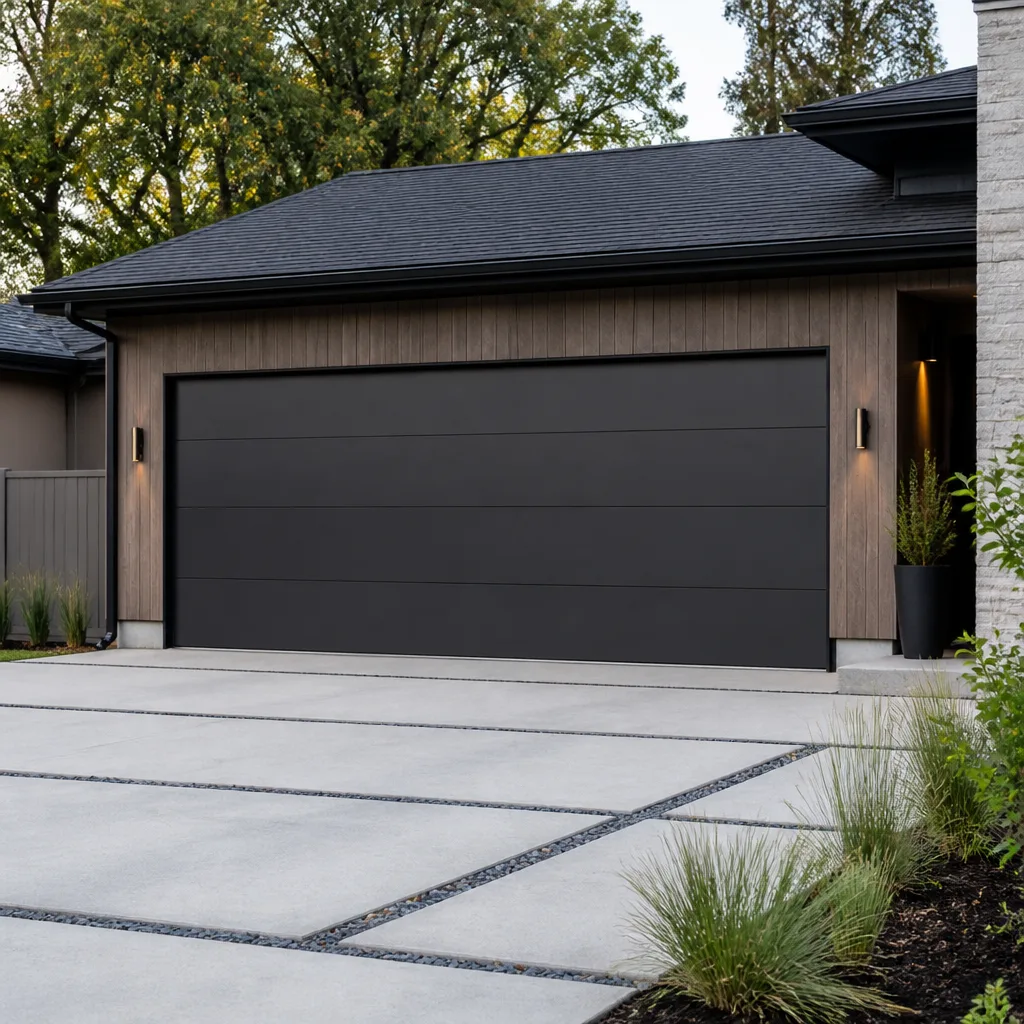 Modern flush
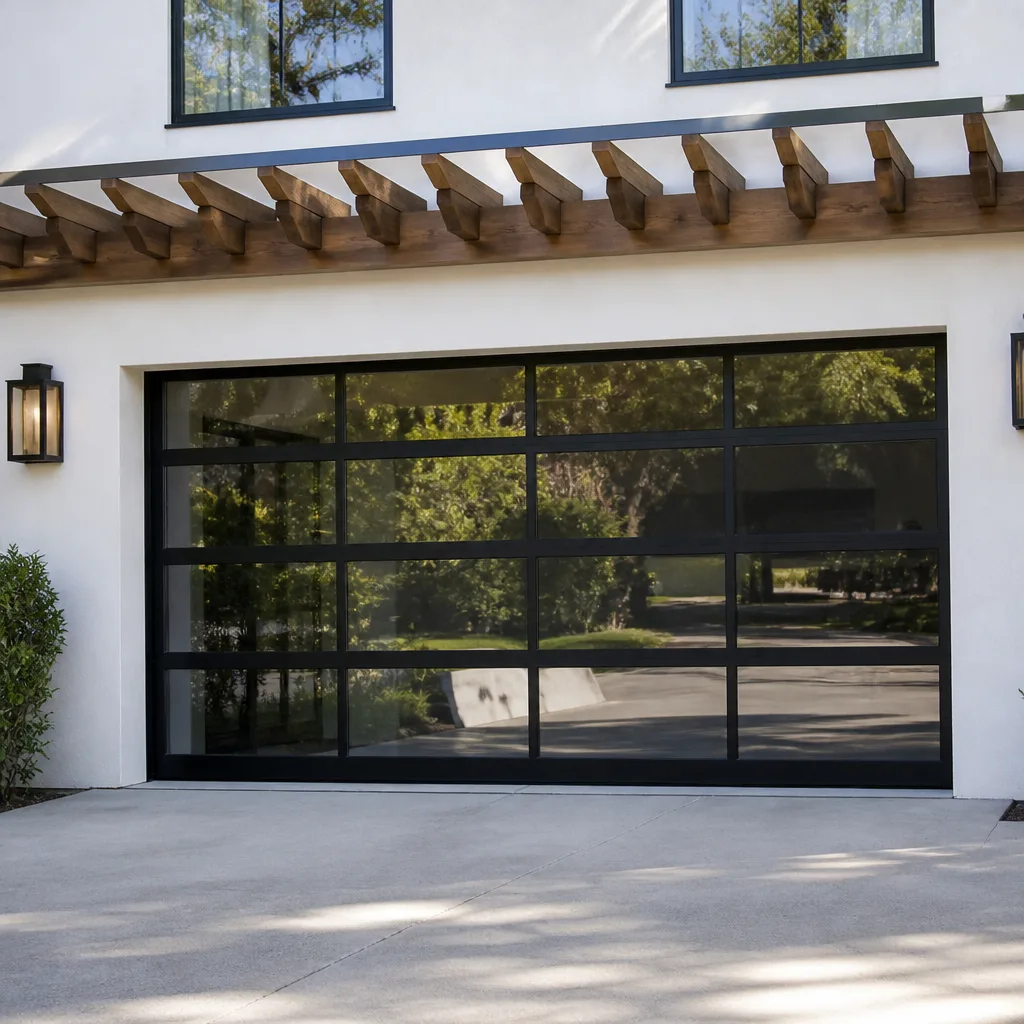 Full-view glass
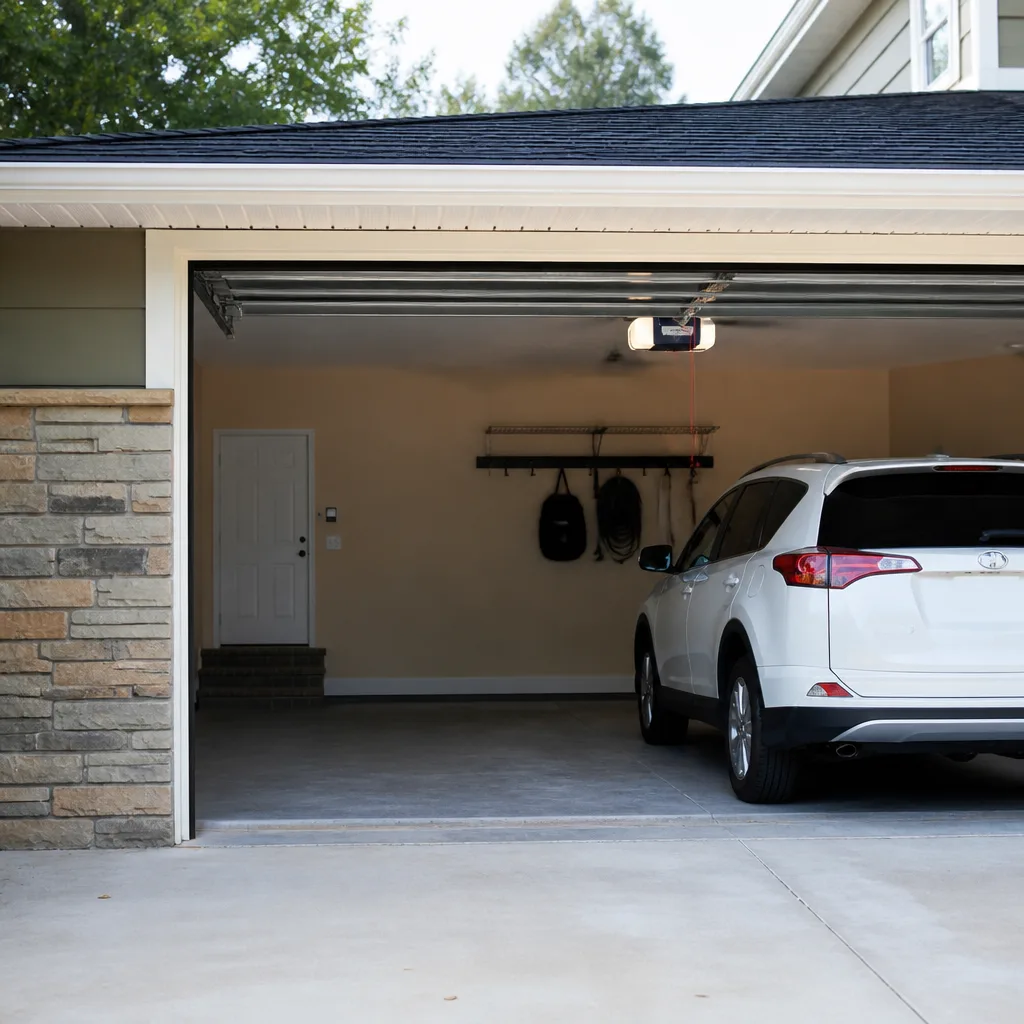 LiftMaster openers
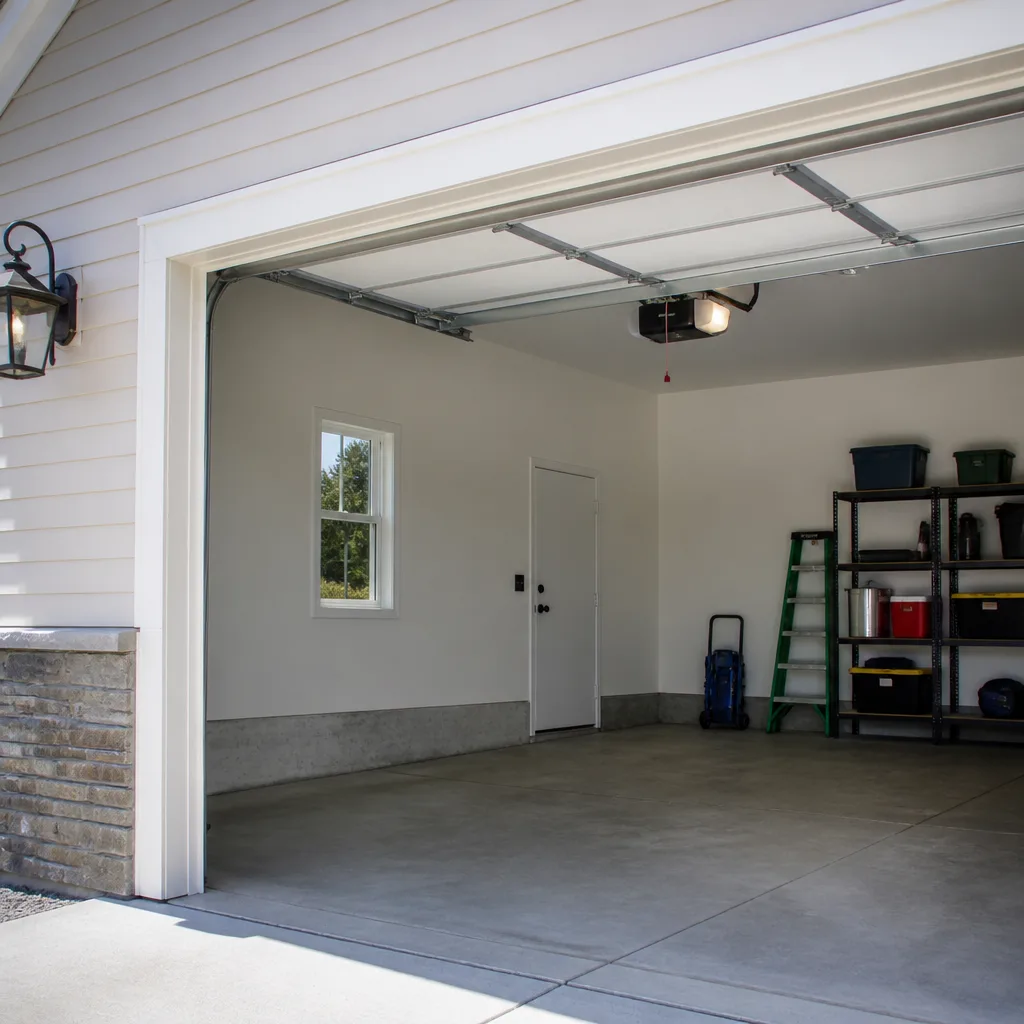 Chamberlain openers
Full 25-point door and opener safety check with every visit - springs, cables, rollers, tracks, and your LiftMaster or Chamberlain opener included
You get a price before we start. It does not change when the pro arrives.
Get your free estimateSeasonal Garage Door Care for Brockton: Year-Round Homeowner’s Guide
Most winter garage door failures in Brockton don’t start with the cold. They start in July, when someone sprays a light household lubricant on the rollers and hinges, and it sits there quietly collecting grit until the first stretch of nights below 20°F turns it thick and gummy. A door that glided in October starts dragging in January, and the opener motor pays the price. Your garage door is your home’s largest moving part, and it doesn’t wear out evenly across the calendar. Late fall and early spring are the two windows where small maintenance chores either get handled or turn into emergency calls. This guide walks you through what to do and when, month by month, based on how Brockton’s actual weather treats the doors on this city’s homes.
Quick Answer
Seasonal garage door maintenance in Brockton works best on a two-window schedule: a thorough prep in late fall before the first hard freeze (cold-rated lubricant, bottom seal check, threshold inspection, weatherstripping) and a reset in early spring after road salt season (cleaning the tracks and hardware, inspecting cables and springs, checking the door for balance). Everything in between is monthly observation. The two windows matter more than the individual tasks because a missed fall prep is what turns a worn roller into a broken spring by February.
Styles & brands we work with
- Raised-panel steel
- Carriage house
- Modern flush
- Full-view glass
- LiftMaster openers
- Chamberlain openers
Table of Contents
- Why Brockton’s Seasons Don’t Stress Your Door Equally
- Late Fall: The Pre-Freeze Checklist
- Which Lubricants Survive a Brockton Winter (and Which Fail)
- Winterizing the Bottom Seal and Threshold
- Winter: What to Watch For and What to Leave Alone
- Spring Reset After Road Salt Season
- Summer Humidity and Wooden Door Panels
- Month-by-Month Task Calendar for Brockton
Why Brockton’s Seasons Don’t Stress Your Door Equally
Brockton sits inland enough from the coast that its winters run on the colder side of the regional average, with long stretches of nights below freezing and a regular freeze-thaw cycle that works metal, rubber and wood differently depending on the month. Summer humidity is the other extreme: warm, damp stretches that swell wood panels and soften the seals around the bottom of the door. Neither season is unusual for Massachusetts. What catches homeowners is treating the calendar as flat, applying the same maintenance in June as in November and expecting the same result.
The real load on a garage door comes from transition periods. In late fall, temperatures drop fast enough that any lubricant not rated for cold becomes stiff within a few weeks. In early spring, road salt tracked in on tires and shoes dries on tracks, hinges and the door’s bottom panel, and it doesn’t just look bad. It abrades the moving parts it touches and speeds up wear on the rollers.
Two more Brockton-specific factors matter here:
- Age of housing stock. A lot of the city’s neighborhoods, from the Campello and Montello areas to homes nearer downtown, have garages attached to older houses, where wooden doors and older openers are still common. Those absorb seasonal swings more than steel doors do.
- Wind exposure. Fall and spring storms on this side of the state bring wind that tests the bottom seal and weatherstripping. A seal that looks fine in calm weather can show daylight gaps once the wind picks up.
Our technicians have up to 15 years of experience watching how these seasonal shifts play out on the doors people actually own here, across brands like Clopay, Amarr and Wayne Dalton. The pattern is consistent: the homes that skip the fall window are the ones calling for garage door repair in January.
Late Fall: The Pre-Freeze Checklist
Late fall is the most important window in this guide, and it closes fast. The goal is to get every moving part into a condition where it can sit through a Brockton winter without seizing. You want this done before the first hard freeze, not after. Once the temperature is consistently below freezing, some of these tasks become impractical for a homeowner and better left to a technician.
Work through this in order:
- Wash the tracks and dry them completely. Clear out grit, leaves and any leftover lubricant film. Tracks shouldn’t be greasy; they should be clean and dry. Any moisture left in the track can freeze overnight and cause the rollers to slip.
- Apply a cold-rated lubricant to the hinges, rollers and the torsion spring (if exposed). See the next section for exactly what to use.
- Open and close the door by hand once the opener is disconnected. A balanced door should stay roughly where you leave it, halfway up. If it slams down or floats up, the spring tension is off and a technician should look at it.
- Inspect the bottom seal for cracks and daylight gaps. Run a hand along the inside of the door at floor level and look for light showing through.
- Check the threshold for splits or lifted edges. A raised threshold that lets cold air and snowmelt under the door will cost you on your heating bill and put water where a steel door’s bottom panel can rust.
- Test the opener’s safety reverse. Put a piece of wood in the door’s path and confirm it reverses on contact. This is a safety system, not a convenience feature.
- Clear the area around the door of anything that will freeze. Garden hoses, downspout extensions, and anything stored along the door’s travel path has no business being there in January.
None of this takes long. What it buys you is a door that can sit through a Brockton winter without calling for help in the middle of it.
Which Lubricants Survive a Brockton Winter (and Which Fail)
This is where most seasonal problems start. Not all lubricants behave the same below freezing, and the wrong one doesn’t just fail to help. It actively binds the parts it’s supposed to protect. Once temperatures drop below 20°F, a light oil or a general-purpose household product thickens into something closer to jelly, and every roller and hinge running through it has to push harder.
Here’s the short version of what holds up and what doesn’t:
- White lithium grease: works well on the moving metal parts, hinges and roller stems. It’s designed for colder conditions than a light oil and won’t gum up in a normal Brockton winter. Apply thinly. A thick coat collects grit.
- Silicone spray: the right choice for the weatherstripping and the bottom seal. Silicone keeps rubber supple without making it greasy, and it doesn’t freeze into a sticky film.
- Cold-rated garage door and hinge lubricant: specifically formulated for the parts a standard oil can’t reach without trouble. Spray-on types get into the hinge pin and roller bearing where grease from a tub doesn’t.
- WD-40 or light oil: fine as a temporary cleaning solvent, not a long-term lubricant. It evaporates, attracts grit, and does nothing in freezing temperatures. This is the product that turns October’s smooth door into January’s dragging door.
- Heavy engine oil or thick gear grease: overkill. It does the opposite of what you want in cold weather; it’s so thick that it stiffens at low temperatures and turns every opening cycle into a workout for the opener.
One thing to keep in mind: if your opener is a LiftMaster, Chamberlain, Genie or Craftsman, the door’s movement depends on the opener motor not fighting a stiff track. A roller binding in thick grease can trip the opener’s safety reverse and stop the door mid-travel with no obvious cause. Proper cold-rated lubricant makes the difference.
Winterizing the Bottom Seal and Threshold
The bottom seal is the part of your garage door that works hardest and gets replaced too soon, mostly because homeowners replace it when a quick cleaning would have been enough. Before buying a new one, know what winterizing actually needs to do. The seal has to sit tight against the floor to keep out cold air, snow and wind-driven rain, and the threshold beneath it has to be solid enough to give the seal something to press against.
Start with the wood beneath the seal, if you have it. Run a hand along the threshold looking for soft spots. Winter moisture weakens wood, and a threshold that crumbles under the seal won’t hold a seal tight no matter how good the rubber is. If the threshold is solid, the seal probably is, or close to it.
Then check the seal itself, and here’s the trick most people miss: a bottom seal that’s slightly compressed or has a small gap at one end doesn’t always need replacing. Depending on the door’s design, the seal can be adjusted down to close the gap by a few millimeters. That’s a five-minute job. Replacing the seal is worth doing only when the rubber is visibly cracked, torn, brittle, or has come loose from the door’s bottom edge. A seal that’s supple but sitting slightly high is not a bad seal.
A few things that keep the weatherstripping and threshold working through a Brockton winter:
- Apply silicone spray to the seal as part of the fall prep. It keeps the rubber soft and prevents dry-rot through the cold season.
- Keep the ground outside the door clear of snow and ice, so it has somewhere to drain when it melts. Snowbanked up against the door will find its way inside as it thaws.
- If water pools at the threshold during rain, fix the slope or the grading outside before it starts freezing under the door.
- Check the vertical weatherstripping on the door jambs at the same time. It takes a lot of wind load on this side of Massachusetts and often fails earlier than the bottom seal.
A seal that fails in February is a much more annoying problem than one addressed in November. Cold, wind and a stuck door do not mix well, and the door’s rubber taking the brunt of it will be the first thing to go.
Winter: What to Watch For and What to Leave Alone
Winter is a watch-it season, not a fix-it season. Once the temperature is consistently below freezing, the productive work is observation. Homeowners who try to force repairs in January usually make things worse. This is also the season when a genuinely broken component – a snapped torsion spring, a frayed cable, a door off its track – shows itself, and it can’t wait until spring.
What’s worth watching:
- Any new noise. A door that develops a scrape, groan or bang in cold weather is telling you something. A little extra noise from stiff grease is one thing; a sharp snap as the door moves is a different story.
- The door reversing unexpectedly. If the opener reverses on its own mid-travel, especially in cold weather, the safety system is doing its job and there’s a real problem to find. This usually means either the door’s travel is obstructed or the opener is being fooled by a sensor.
- A door that won’t close all the way. Often this is a safety sensor knocked out of alignment by snow or blown debris. Before calling anyone, check that both sensors are pointing at each other and nothing is in the way.
- Daylight under the door. A new gap mid-winter means the seal has pulled away, or the threshold shifted under a freeze-thaw cycle. Worth a look before it becomes water damage.
What to leave alone: the torsion springs and the cables. These carry the door’s full weight under extreme tension, and the two biggest garage door injuries in the trade happen when someone tries to adjust or replace one without the right tools and experience. A spring that snaps in cold weather is a call for garage door spring repair, not a homeowner project. And if your door won’t close at all in a snowstorm, the missing security matters more than the inconvenience; our Brockton Garage Door Repair Co team is set up for emergencies like this because a door that won’t close leaves the whole house exposed.
Spring Reset After Road Salt Season
Spring is the cleanup window, and road salt is the main reason. Every winter, tires track salt onto the door’s tracks, hinges and bottom panel. Salt doesn’t just look ugly; it abrades metal, accelerates rust, and in the worst case it eats into the door’s finish and the bottom seal. A proper spring reset is half cleanup and half inspection.
Here’s the routine:
- Wash the door and tracks with plain water and a soft brush. No harsh chemicals; the point is to lift the salt film, not strip the finish off the door.
- Dry everything completely. Water sitting in the track will freeze the next cold night and undo your effort.
- Re-lubricate the moving parts with a fresh coat of white lithium or cold-rated lubricant. The winter grit and salt needs to come off; new lubricant on top of old does nothing. Clean first, lubricate second.
- Inspect the springs, cables and rollers. Look for rust, fraying or widening gaps in the spring coils. Any of those are signs a technician should take a look, and a spring that’s showing a visible gap is closer to failing than it looks.
- Check the door’s balance again. A spring that has lost some tension over the winter may have thrown off the balance. A door that’s noticeably heavier to lift than it was last year needs a spring adjustment.
- Test the opener’s safety reverse. Same test as the fall: piece of wood in the door’s path, door should reverse on contact.
One thing that’s tempting but not advisable: adjusting the springs yourself to compensate for a door that’s out of balance. Torsion springs are under enough tension to cause serious injury, and it takes a trained eye to know which is the right adjustment. This is exactly the kind of work our team handles when a homeowner calls, and we’d rather you call than take the risk. If you’re not sure it’s safe to touch, it probably isn’t.
Summer Humidity and Wooden Door Panels
Brockton summers bring stretches of warm, humid air, and that’s the hardest weather for a wooden garage door. Wood takes on moisture and swells. The swelling shows up as sticking doors, warped panels, and in the worst cases it puts stress on the frame around the door. Most homeowners don’t notice it until the door starts binding in July or August, months after the problem started.
What to look for, in order of severity:
- Tight spots on opening and closing. A door that suddenly drags on one side in July is likely swelling, not a broken spring.
- Visible gaps or bulges in the panels. Panels looking slightly proud of the frame or edges showing a hairline gap is an early sign.
- Paint peeling at the bottom edges. Moisture entering from below the seal and working up through the wood. A peeling bottom edge in August is usually a winter seal leak that’s had all summer to spread.
- Rattling or a light knocking sound near the top of the door. Panels have swollen enough to hit the top frame, or a panel has warped and is loose.
The fix is mostly a matter of controlling moisture. Make sure the bottom seal is doing its job (the spring reset is the time to check it), and keep the garage ventilated. Wooden doors from Clopay and Amarr, both of which are built to handle humidity swings better than a plain untreated wood door, still need the seal working properly to keep moisture out from below. If the panels are already warped, a technician should take a look before the frame takes any damage. Wood swelling in summer often turns into a sticking door in winter as the swelling direction reverses, and by then it’s a bigger repair.
Month-by-Month Task Calendar for Brockton
The short version of this whole guide is a calendar. Everything below is a task you can do yourself except where noted, and the goal is to catch problems before they become garage door opener repair or a broken spring. If you’re not sure whether a task is safe to do yourself, it isn’t.
- September: Visual walk-around. Check the door, the tracks and the opener for anything that looks different from last year. This is the last easy month to order a part before the season turns.
- October: The full fall prep. Clean tracks, apply cold-rated lubricant, test safety reverse, inspect the bottom seal and weatherstripping. This is the single most important month in the year.
- November: Last call for pre-freeze work. Get the seal and threshold finished. Any visible spring or cable issues go to a technician now, not later.
- December through February: Watch-only. Report new noises, gaps or issues; don’t start repairs. Keep the area clear of snow and ice.
- March: First spring cleanup. Wash the door and tracks, lift the salt film, dry everything.
- April: Full spring reset. Fresh lubricant, balance check, safety reverse test, inspect springs and cables. If anything is off, get it looked at before the summer humidity arrives.
- May through August: Summer watch, especially with a wooden door. Any sticking, dragging or panel warping gets a look. Re-apply silicone to the bottom seal if it’s looking dry.
- Any time: Monthly opener test – safety reverse and the sensors. Five minutes, once a month, on the door’s most important safety feature.
The parts of this calendar that are least forgiving of a skip are October and April. A door that gets the fall prep and the spring reset will usually sit through the rest of the year with no complaints. A door that skips one of them has a habit of telling you about it at the worst possible moment, usually on a cold January morning with a car in the driveway and somewhere to be. If there’s one recurring theme in what we deal with, it’s doors that got the October work done and doors that didn’t.
The opener side has its own schedule. Openers from LiftMaster, Genie, Chamberlain, Craftsman or any of the brands we work on will give a few warning signs before they fail outright: intermittent sensor trips, slowing response, or a motor that strains where it used to glide. Catching them early in the warmer months is nearly always simpler than catching them in cold weather, when the door’s weight is hardest on a tired motor.
Common Mistakes to Avoid
- Using a light household oil to lubricate the door in summer. This is the single biggest source of winter binding. The oil gunks up below 20°F and traps grit. Use cold-rated lubricant instead.
- Greasing the tracks. Tracks need to be clean and dry, not greasy. Grease on a track collects grit and slows the rollers; it’s the opposite of what the manufacturer intends.
- Skipping the spring reset in favor of a new seal. A new bottom seal on a door that hasn’t had its springs checked rarely fixes the real problem. The seal might sit tight, but the door will still drag if the springs are tired.
- Ignoring summer gaps in wooden door panels. Most of what looks like a sticking door in July is actually swelling from the previous winter’s moisture. Waiting until it’s a visible warp means a bigger repair.
- Trying to adjust a torsion spring because the door feels heavy. This is the most dangerous task on any garage door and the one most likely to end in an emergency room. Leave it to a technician. If the door is noticeably heavier than last year, call.
- Running the opener while the door is visibly binding. A binding door and a struggling opener compound each other; the motor works harder, the safety reverse trips, and the whole system gets stressed. Find the bind before running the opener through another cycle.
- Skipping the fall cleans because the door “looked fine in October.” Doors don’t usually look broken until they are. The clearing and lubricating is what keeps them looking fine in January.
See the difference
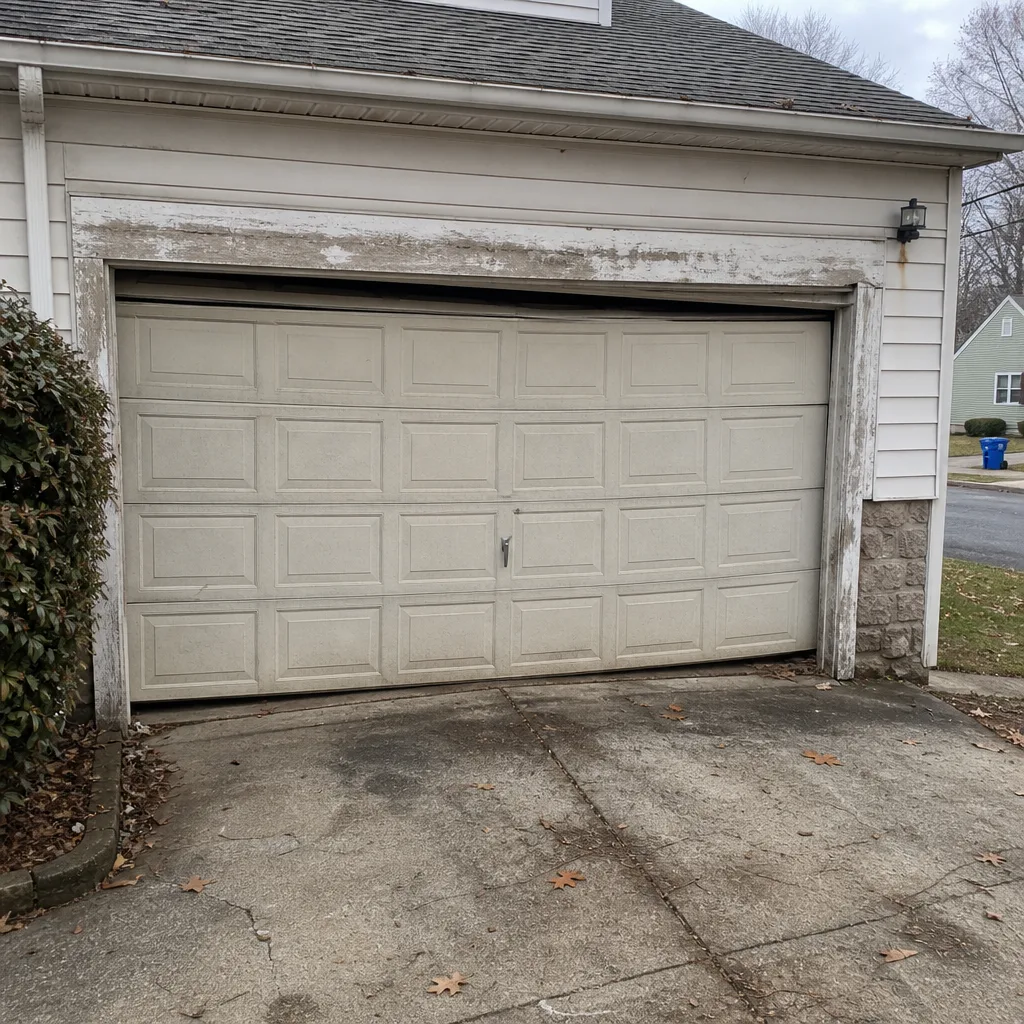 Before
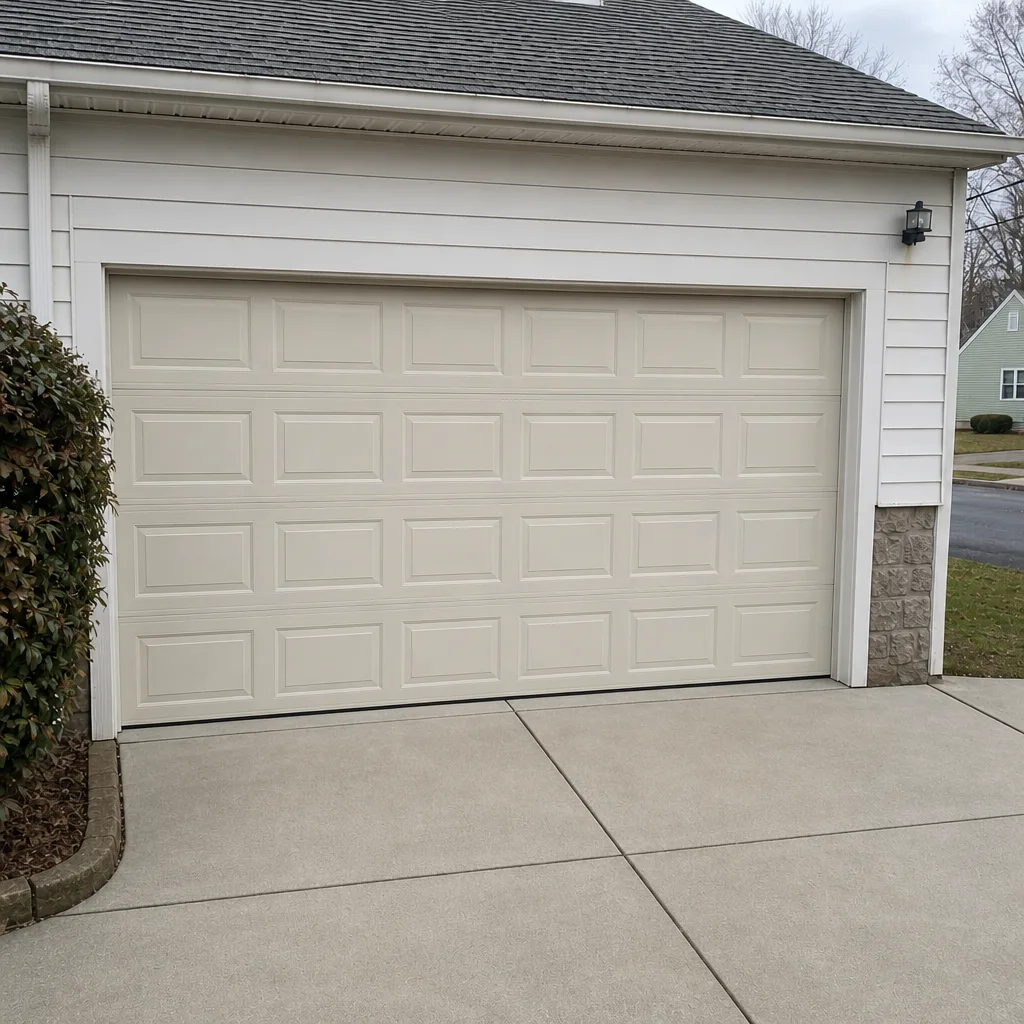 After
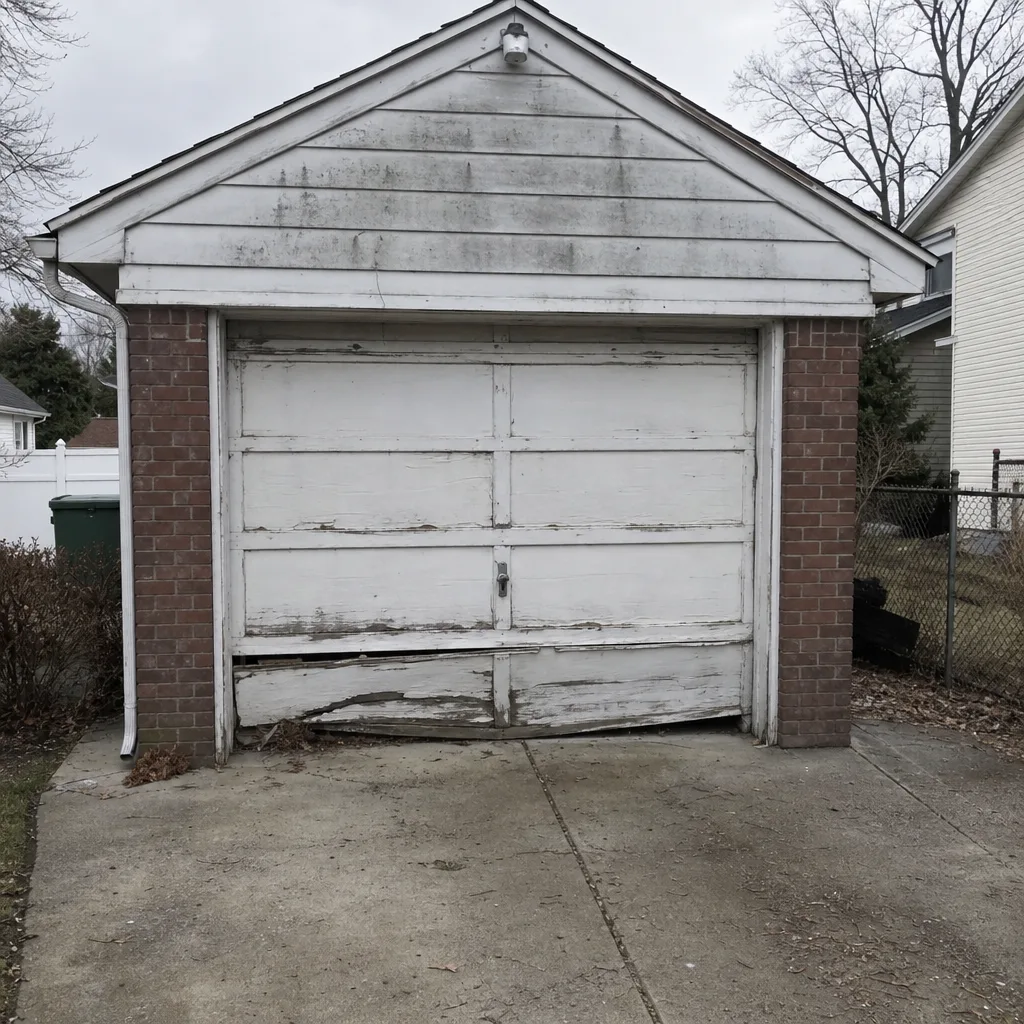 Before
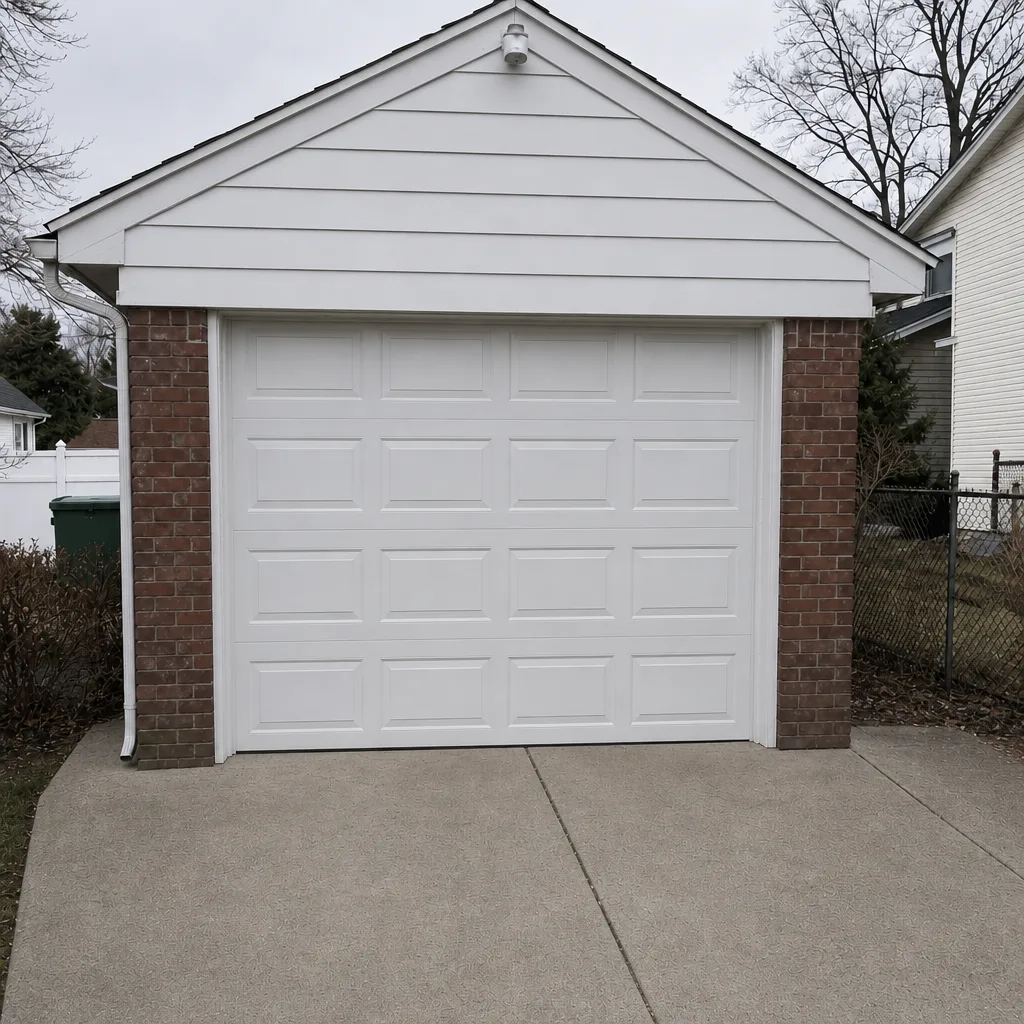 After
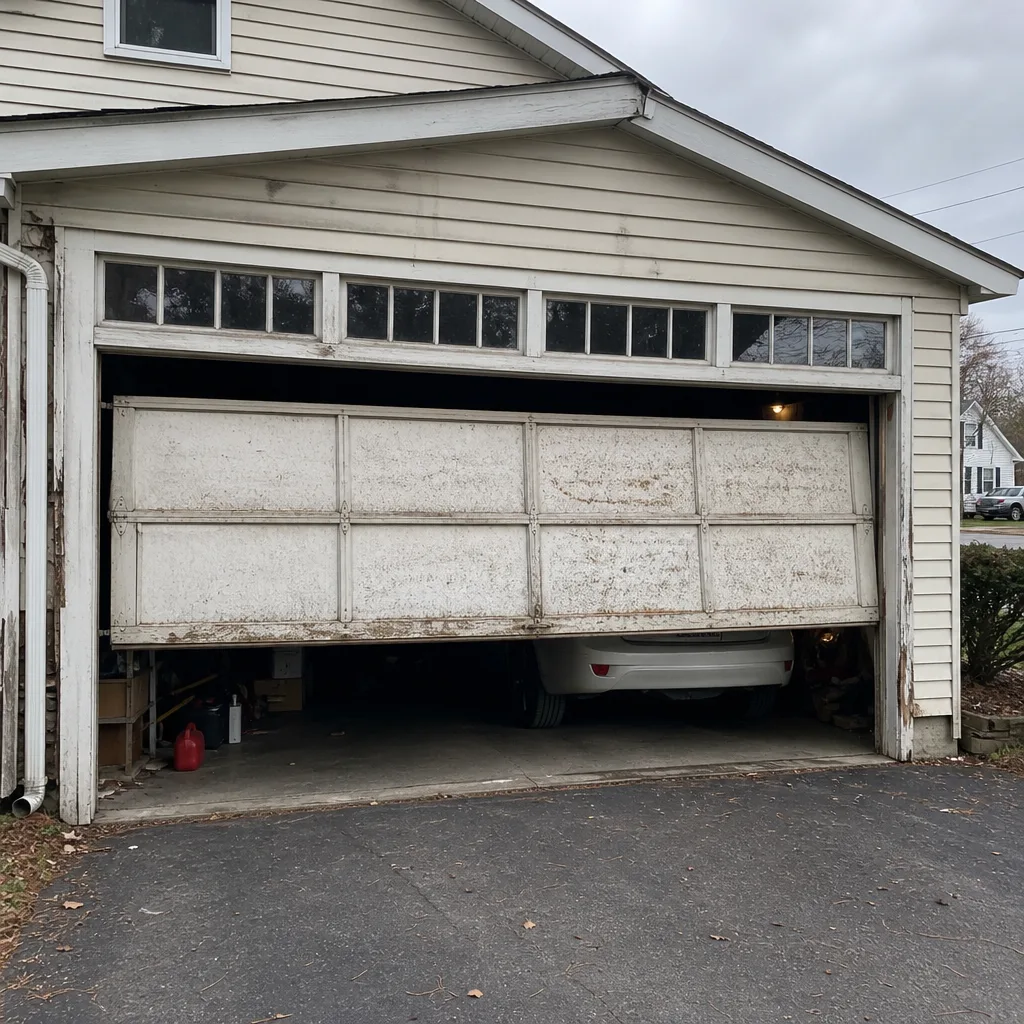 Before
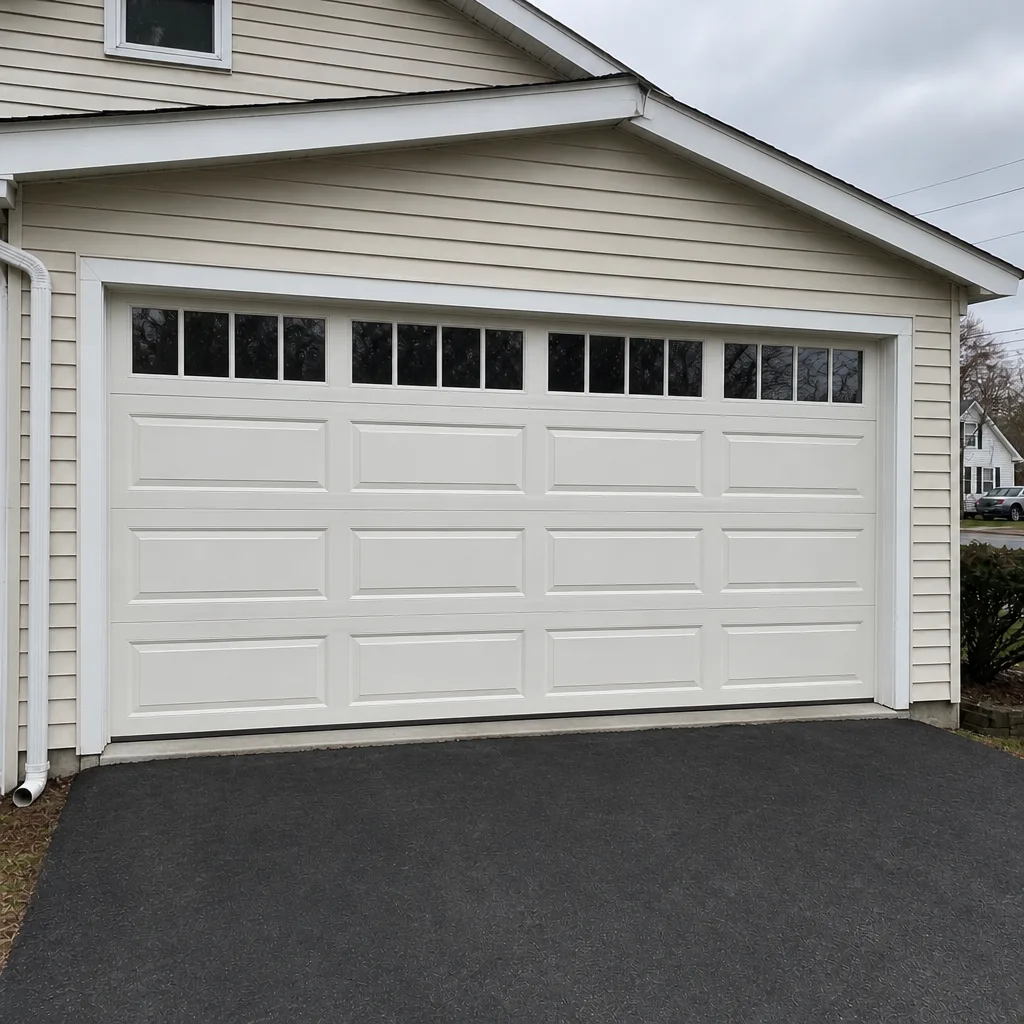 After
When to Call a Professional
Some seasonal tasks are homeowner jobs. Others are technician jobs, and the difference matters. Call a professional if you notice a broken torsion spring (a gap in the coil is the tell), a frayed or snapped cable, a door that’s come off its track, a door that reverses on its own when nothing’s in the way, or any new grinding noise from the opener. Also call if your door is out of balance after a season of use: standard openers shouldn’t be lifting a door that wants to fall, and a tired opener will fail soon if it’s been compensating for weak springs. Our technicians have up to 15 years of experience with springs and opener systems, and we work on the brand you already have, whether that’s a Clopay or a Wayne Dalton or anything else. Brockton Garage Door Repair Co offers free estimates in Brockton, with the price quoted and agreed before any work starts, so call (877) 335-4654.
Frequently Asked Questions
Late fall and early spring are the two right times. Apply cold-rated white lithium or silicone to the hinges, roller stems and exposed spring in October, before the first hard freeze, and again in April after cleaning off winter grit and road salt. Skip the summer application with a standard oil; if you insist on a mid-year coat, use a product rated for winter, not a light household spray.
Cold weather thickens the lubricant on the rollers and hinges, and the door has to push through it. If the lubricant isn’t rated for cold temperatures, especially anything below 20°F, this can make an otherwise smooth door feel like it’s moving through mud. A cold-rated lubricant and a good fall prep usually solve it. If it happens even with the right lubricant, get the door’s balance checked.
Yes, it wears down the moving parts it touches and speeds up rust on the tracks and hinges, and it can eat into the finish of the bottom panel. The fix is a good spring cleanup: lift the salt film with plain water, dry everything completely, reapply lubricant. Skipping the spring reset speeds up wear on the rollers and the bottom seal, so this is worth doing yearly.
A visible gap in the torsion spring, a door that’s noticeably heavier to lift, or a door that slams down when you disconnect the opener and try it by hand are all signs. Springs are dangerous to work on; never try to adjust or replace one yourself. Call a technician for a check instead.
Check the safety sensors first. Snow, ice or debris knocked into the sensor path is the most common cause, and realigning or clearing them often fixes it. If the sensors are clear and the door still won’t close, the problem is likely in the opener or the door’s travel, and it’s worth calling for a look. Call (877) 335-4654; a door that won’t close is a security issue, and our team handles emergency calls.
The fall prep and spring reset each take an hour or two for a homeowner, assuming you’re only doing the safe tasks: cleaning, lubricating, checking seals, testing the safety reverse. If anything turns up that needs a technician – springs, cables, a door off its track – the fix itself is usually a single visit. Estimates are free, so it costs nothing to have it looked at.
The Bottom Line
Brockton’s garage doors go through two hard seasonal transitions each year, and the homes that make it through winter cleanly are the ones that got the fall prep done in October, before the first hard freeze. The spring reset matters for a different reason: road salt and winter grit, left in place, wear down the parts a door depends on. The rest of the year is watching and testing. Use a cold-rated lubricant, keep the bottom seal and threshold working, watch wooden doors in summer, and leave springs and cables to a technician. Skip the two windows and you’ll hear about it later. Handle them, and the door does its job quietly, all year.
If anything in this guide turns up a problem you’re not comfortable handling, we’re here. Our technicians have up to 15 years of experience, we work on the brand you already have, and we’re set up for emergencies as well as scheduled visits. Call (877) 335-4654 for a free estimate, and we’ll quote the price before any work starts.
Written by the team at Brockton Garage Door Repair Co.