Last updated November 22, 2026
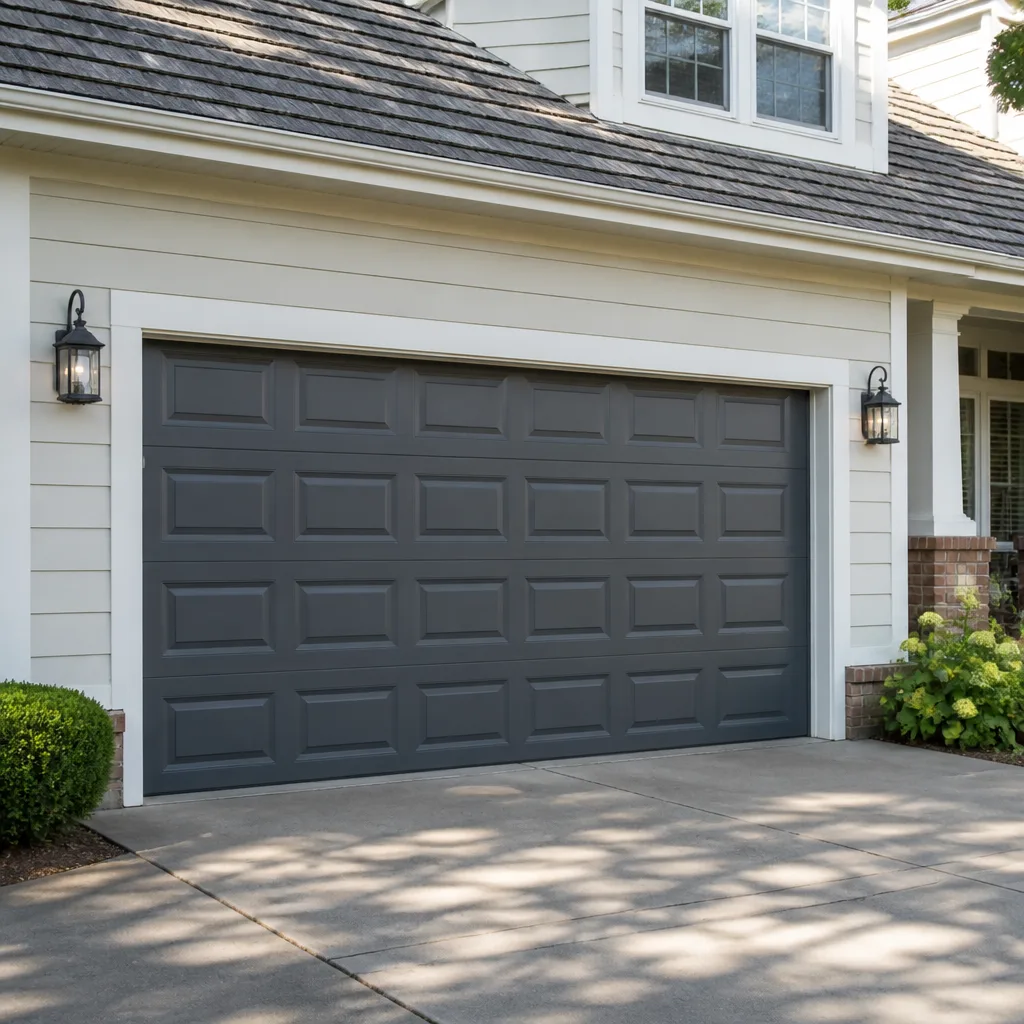 Raised-panel steel
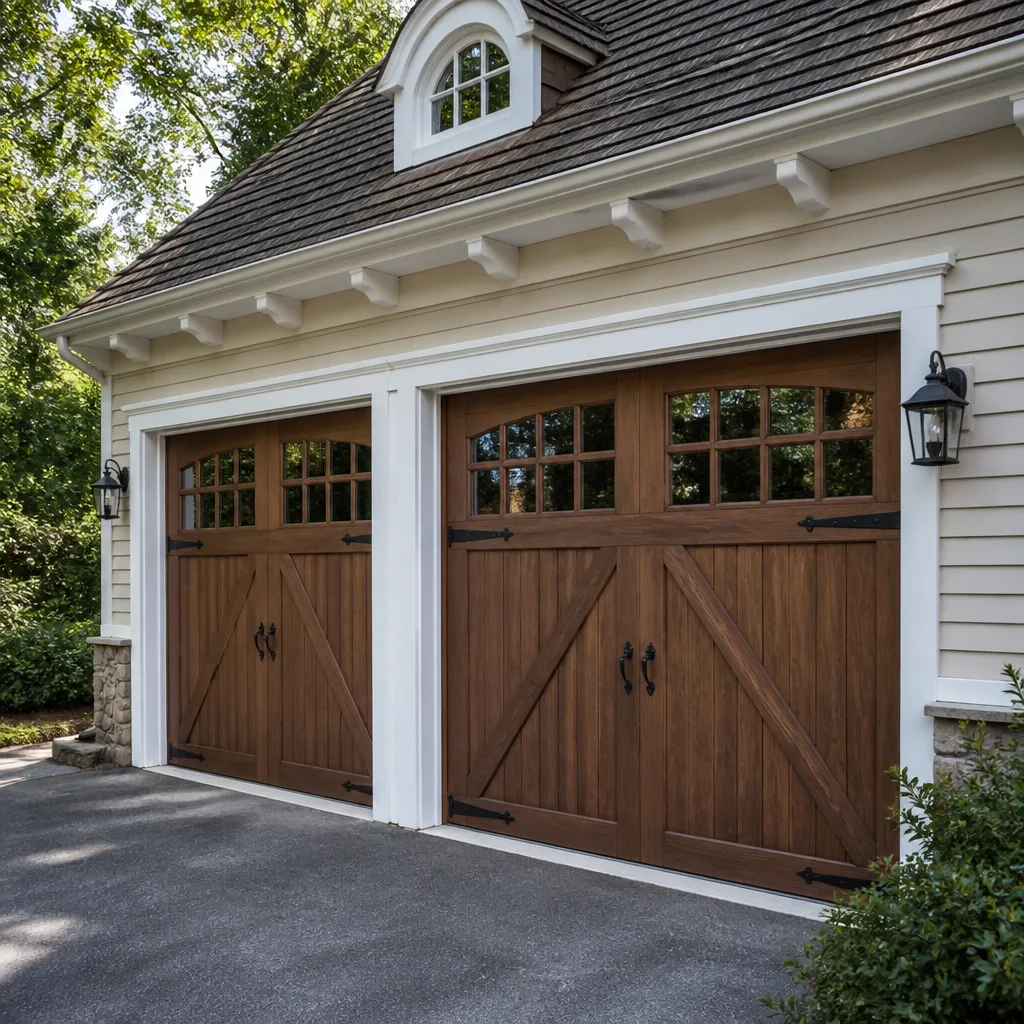 Carriage house
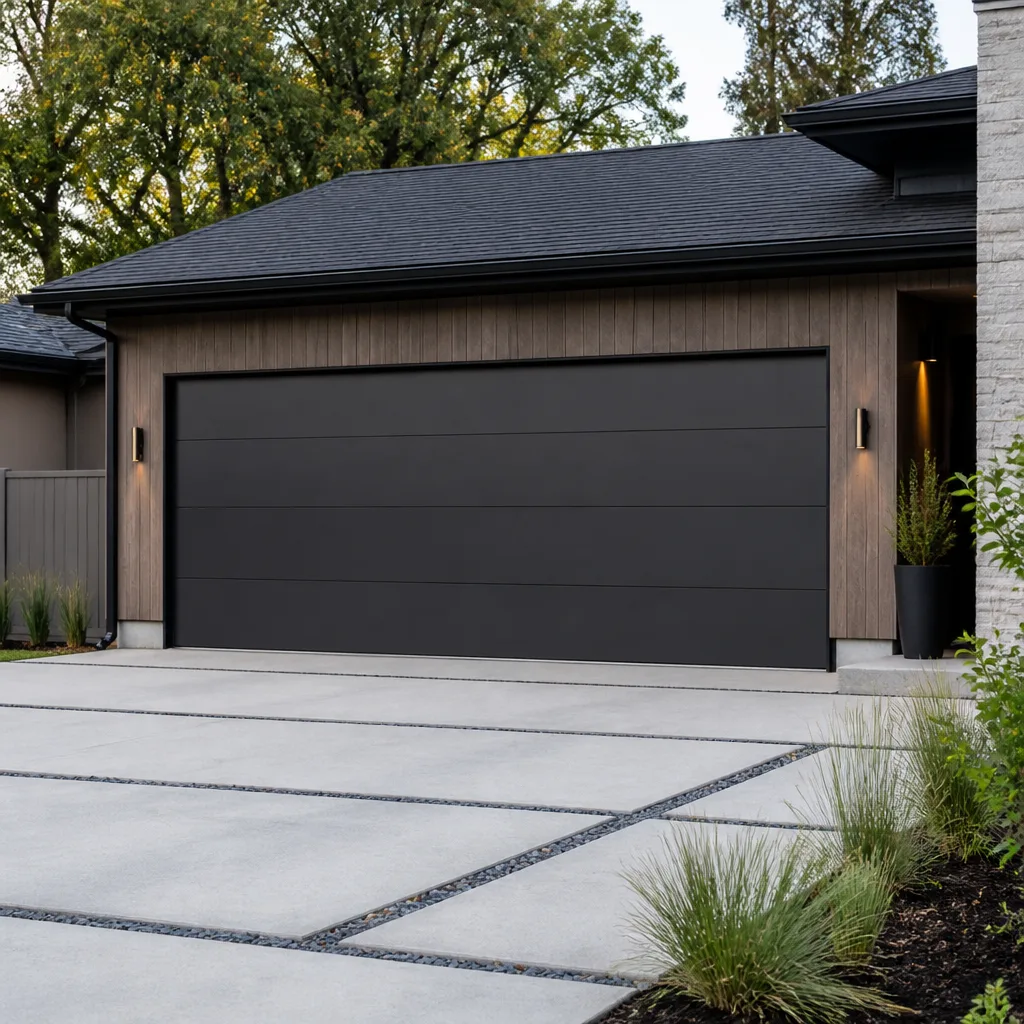 Modern flush
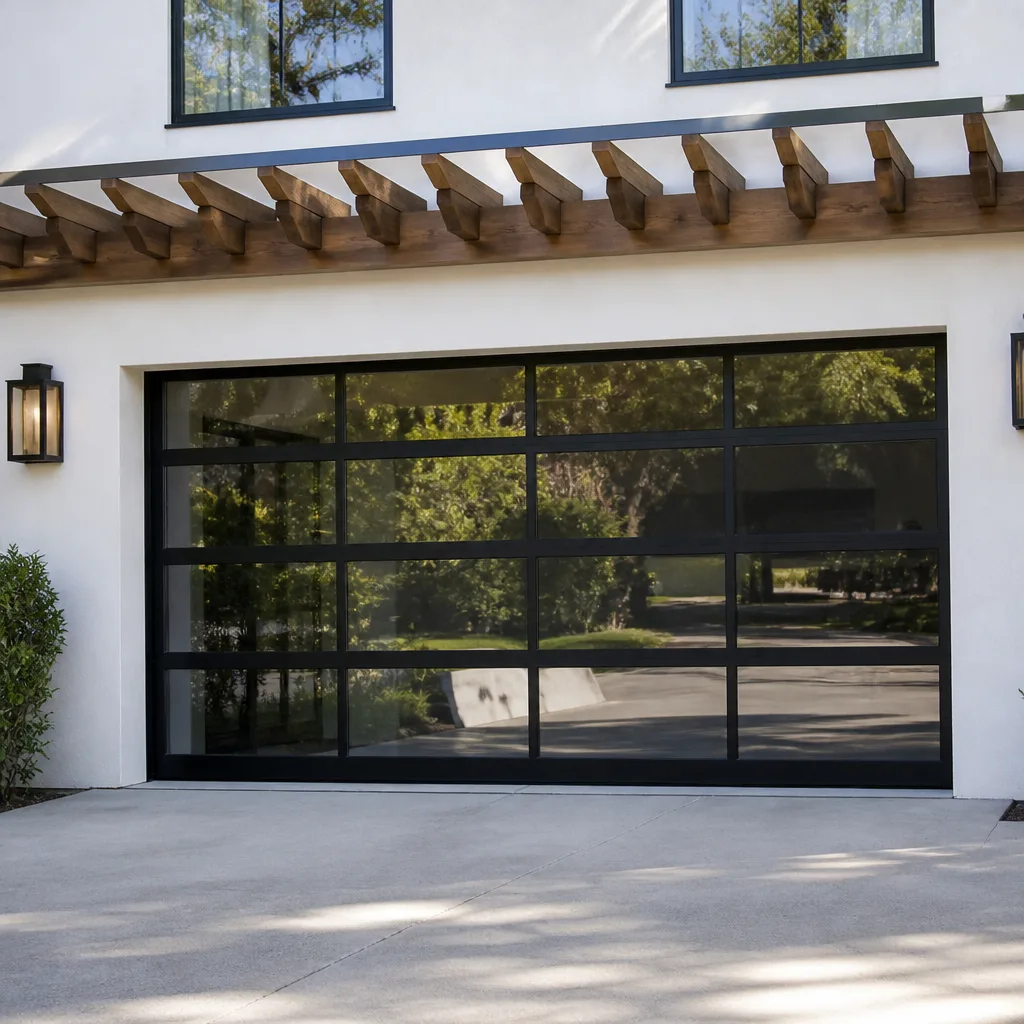 Full-view glass
 LiftMaster openers
 Chamberlain openers
Full 25-point door and opener safety check with every visit - springs, cables, rollers, tracks, and your LiftMaster or Chamberlain opener included
You get a price before we start. It does not change when the pro arrives.
Get your free estimateGarage Door Repair Maintenance Schedule: What to Do and When
The average garage door opens and closes more than 1,500 times a year. Most homeowners do exactly zero maintenance until something breaks. But the parts that fail in February almost always showed warning signs back in October, when the weather was still warm and the door was still quiet. Your garage door is your home’s largest moving part, and in Brockton it works through four very different seasons, each one stressing the springs, rollers, and opener in its own way. This guide lays out a month-by-month maintenance framework built around how Massachusetts weather actually treats a garage door, so you can catch problems while they’re still cheap and simple. Here’s what to do and when to do it.
Quick Answer
A garage door maintenance schedule should follow the seasons, not a generic annual checklist. In Brockton, that means a thorough inspection and lubrication in early fall before the freeze-thaw cycle begins, careful monitoring of springs and rollers through the coldest winter months, tension and balance checks in spring as temperatures swing, and hardware tightening in summer heat. You’ll also want to run three simple homeowner tests (spring tension, balance, and reversal) once a month, and log what you find so patterns become obvious. Most of this takes 15 minutes and no tools beyond a rag and a can of the right lubricant.
Styles & brands we work with
- Raised-panel steel
- Carriage house
- Modern flush
- Full-view glass
- LiftMaster openers
- Chamberlain openers
Table of Contents
- Why a Seasonal Schedule Beats an Annual Checklist
- Fall Prep: The Freeze-Thaw Checklist Before the First Hard Frost
- Why Standard Silicone Spray Is the Wrong Lubricant for Massachusetts Winters
- The Three Measurements You Can Take Yourself
- Winter: Watching for the Cold-Weather Failures
- Spring and Summer: Heat, Humidity, and Hardware
- How Door Age Changes Your Maintenance Frequency
- What to Log After Every Check
Why a Seasonal Schedule Beats an Annual Checklist
Most garage door maintenance advice you’ll find online boils down to “lubricate it once a year and call someone if it breaks.” That advice was probably written somewhere without real winters. In Brockton, a garage door faces a very specific stress pattern: a long stretch of freeze-thaw cycles from late fall through early spring, followed by humid summers that work on wood panels and metal hardware alike. A part that’s fine in July can become a problem by January if you haven’t prepared for it in October.
The seasonal approach works because each season stresses different components. Cold contracts metal and stiffens grease. Moisture from melting snow finds its way into tracks and hinges. Heat expands panels and loosens fasteners that have been vibrating for months. If you address each of these before the season that causes it, you spend less time and money on repairs over the life of the door.
Here’s the framework in short:
- Early fall: Full inspection, correct lubrication, hardware tightening, weather seal check.
- Winter: Monthly visual checks, listening for new sounds, watching for frozen tracks and sluggish openers.
- Spring: Balance and tension tests after the temperature swings, spring inspection before summer.
- Summer: Hardware tightening as heat loosens things, panel and seal inspection, opener force check.
We’ve seen how a door that gets this seasonal attention avoids the emergency calls that a neglected door generates. That’s not marketing talk, it’s just how mechanical systems behave when you respect the conditions they operate in. If your door is already showing problems, garage door repair is the place to start, but the goal of this guide is to keep you out of that situation.
Fall Prep: The Freeze-Thaw Checklist Before the First Hard Frost
The single most important maintenance window in Brockton is the stretch of weeks before the first hard frost. This is when you prepare the door for the freeze-thaw cycle that will stress it for the next five months. Miss it, and you’ll spend the winter dealing with stiff rollers, frozen tracks, and springs that fail under load.
Work through this checklist in order. It’s built for a homeowner with basic tools and a free afternoon:
- Clean the tracks. Wipe out dirt, grit, and old hardened grease with a dry cloth. Don’t use solvent. A clean track is easier on rollers and less likely to bind when cold.
- Lubricate springs, hinges, and rollers. Use the right product (see the next section). Apply sparingly. More is not better here.
- Check and tighten all hardware. Run a screwdriver over every hinge screw, track bracket bolt, and roller bracket. Loose fasteners rattle out completely in cold weather.
- Inspect the weather seal along the bottom. A cracked or flattened bottom seal lets in cold air, snow, and moisture. Replace it before winter, not after.
- Look at the springs. You can’t safely touch torsion springs, but you can look for visible gaps, uneven coils, or a door that’s hard to lift. If something looks wrong, stop and call a professional. Springs are under extreme tension and can cause serious injury if handled incorrectly.
- Test the door balance and reversal. Details below. If either fails, address it now while the weather is friendly.
- Test the opener’s force and travel limits. A door that’s slightly hard to move in summer will be very hard to move in January, and the opener will strain. Adjust now or call for a professional check.
If you do all seven and find nothing wrong, you’ve done your fall prep in under an hour. If you find one or two things, you’ve bought yourself time to fix them before the first storm. That’s the point of a schedule. Our technicians have up to 15 years of experience and have worked on Genie, Clopay, Amarr, and Wayne Dalton systems in every kind of Brockton weather, and they’ll tell you the same thing: fall prep is where the winter emergencies get prevented.
Why Standard Silicone Spray Is the Wrong Lubricant for Massachusetts Winters
Silicone spray is widely recommended for garage doors, and in mild climates it does the job. In Massachusetts, it’s a poor choice for the parts that face the cold. Silicone is thin, it doesn’t stay where you put it, and it does very little to protect springs and rollers through months of freeze-thaw cycling. What you want is a lubricant that stays put under cold conditions and doesn’t attract grit.
For springs, hinges, and rollers, use a garage-door-specific lubricant with a lithium or white-lithium base. These stay where you apply them, resist being washed away by moisture, and don’t get gummy in cold weather the way some general-purpose greases do. For the track itself, clean is better than lubricated. A light coat of the same white-lithium product on the metal surfaces is fine, but don’t turn the track into a grease trap. Grit sticks to excess lubricant and grinds the rollers.
Here’s what to avoid:
- WD-40 as a lubricant. It’s a great cleaner and moisture displacer, but it evaporates and leaves little protection. Not what springs and rollers need.
- Heavy automotive grease. Too thick for garage door hardware and a magnet for grit.
- Silicone spray on springs and rollers. Too thin for Massachusetts winters, and it doesn’t stay where it’s needed.
- Any product on the opener rail or belt. Follow the opener manufacturer’s instructions. Genie and LiftMaster systems, for example, have specific recommendations and you don’t want to improvise.
The right product costs a bit more than the wrong one, but the difference over a winter is significant. When we work on a door in Brockton, we can tell pretty quickly whether it’s been maintained with the right lubricant. If the springs are dry and rusty and the rollers are squealing, the winter has done its work.
The Three Measurements You Can Take Yourself
You don’t need to guess whether your door is healthy. Three simple tests tell you what you need to know, and each one takes under five minutes. Run them once a month, and immediately after any change in how the door sounds or feels.
- Spring tension gap. With the door closed, look at the torsion springs above the door (not touch, just look). If you can see a visible gap in the coil, or the spring looks unevenly wound, stop and call a professional. This is one of the most common warnings before a spring breaks, and a broken spring is dangerous.
- Balance test. Close the door, then use the opener to raise it about halfway. Pull the emergency release to disconnect the opener. If the door stays where you left it, it’s balanced. If it slides down or up on its own, the springs are out of adjustment. Reconnect the opener before you do anything else, and don’t try to adjust the springs yourself. This is professional work.
- Reversal test. Place a small object (a roll of paper towels works) on the ground directly in the door’s path. Close the door with the opener. It should reverse immediately upon contact with the object. If it doesn’t, the safety system has failed and the door should not be operated until it’s fixed. This is a safety issue, not a maintenance item to schedule later.
These three tests catch the most common failure modes: a spring that’s about to go, a door that’s out of balance and straining the opener, and a safety system that’s not doing its job. Every one of them is easier and cheaper to address today than after a failure. If any of them turns up a problem, you can reach us any time at (877) 335-4654. For opener-specific issues, garage door opener repair covers the full range of opener failures we see.
Winter: Watching for the Cold-Weather Failures
Once the frost sets in, your maintenance routine shifts from preparing to monitoring. The door is now facing the worst conditions of the year, and you want to spot problems before they become failures. Winter in Brockton means freeze-thaw cycles, snow melt re-freezing in tracks, and cold-stiffened grease in the opener.
Do a quick visual check once a month, and after any ice storm:
- Listen. Any new squeal, grind, or bang is a signal. A door that was quiet in October and now grinds is telling you a roller or bearing is struggling.
- Watch the opener. If it’s working harder than usual or reversing before fully closing, the door is binding. Don’t increase the opener’s force to compensate. That’s a sign of a mechanical problem the opener can’t solve.
- Check for ice in the tracks. If snow melt has re-frozen in the track, the door can bind and the opener can strain. Clear it carefully. But don’t use de-icer products on the track hardware. Most of them are corrosive or leave a residue that causes problems.
- Look for frost on the door’s inside surface. Some frost is normal. Heavy frost or ice buildup suggests the weather seal or threshold is failing.
- Check the door’s alignment. If the door looks cocked to one side, stop operating it. That’s a sign of a spring or cable issue that needs professional attention.
If your opener is failing in the cold, don’t force it. Call for professional diagnosis. A door that won’t close is a security risk, and a door that won’t open is a daily inconvenience. Emergency garage door service exists for exactly this reason. We respond to these situations as a real need, not as a premium upsell.
Spring and Summer: Heat, Humidity, and Hardware
When the weather warms, the door’s stress pattern changes. Heat expands panels and loosens fasteners that have been vibrating all winter. Humidity works on wood panels and metal hardware. The spring thaw also brings a wave of balance and tension issues as the door’s moving parts readjust to warmer temperatures.
Here’s your spring and summer routine:
- Re-run the three tests. Balance and reversal, plus a visual on the springs. This is especially important after the first warm week, when temperature-related tension changes become obvious.
- Tighten all hardware. Run a screwdriver over every hinge, bracket, and bolt. Winter vibration has loosened some of them.
- Inspect the panels. Look for warping, cracking, or separation on wood and steel panels. Clopay and Amarr panels handle heat differently, but all of them need a visual inspection after a cold winter.
- Clean and re-lubricate. Clean the tracks again. Apply the same white-lithium lubricant you used in fall. This is a spring maintenance item, not just a fall one.
- Check the weather seal again. Winter took a toll on the bottom seal. Replace if it’s cracked or compressed.
- Look at the opener’s mounting. Heat can loosen the ceiling brackets. A wobbly opener strains the rail and the door.
Summer is also a good time to think about the long-term health of the door. If you’re seeing the same problem return year after year, that’s a signal to look at the system, not just the symptom. In our experience, a door that keeps coming out of balance or losing tension needs a professional evaluation of the springs and cables, not just an adjustment.
How Door Age Changes Your Maintenance Frequency
A ten-year-old door is not the same machine as a three-year-old one, and it needs different attention. Garage door maintenance should scale with age. The schedule above is a good baseline, but you should adjust it based on where your door is in its life.
- A door under three years old: Focus on basic upkeep. Fall lubrication, spring inspection, annual tightening, and monthly visual checks. The springs and opener are still well within their service life. You’re mostly protecting the door from weather and catching early installation issues.
- A door five to ten years old: This is where most of the real maintenance happens. Springs are approaching the end of their typical life, and hardware starts to loosen. Increase the frequency of the balance and reversal tests to biweekly, and have the springs professionally inspected once a year. Rollers and hinges are likely starting to show wear.
- A door over ten years old: Expect component-level work. Springs, cables, rollers, and hinges are all candidates for replacement. The opener may need service or replacement, especially if it’s a LiftMaster or Chamberlain that’s seen a decade of daily cycles. Have a professional inspect the whole system once a year, and be prepared to spend on real repairs rather than just lubrication and adjustment.
Spring life depends heavily on how often the door runs, so a busy household with a door that cycles many times a day will reach these thresholds faster than a door that opens once in the morning. When the time comes, garage door spring repair is the specialty we handle most often, and it’s also the repair with the most to get wrong if it’s done carelessly.
What to Log After Every Check
The most underrated maintenance tool is a simple notebook. A log turns maintenance from guesswork into a pattern. When a technician sees your log, they can spot trends instead of starting from scratch on every visit. That’s the difference between diagnosis and guesswork.
Log these items after every monthly check and every season change:
- Date and what you checked. A quick list of what you did. Honestly, even “checked balance, all good” is enough.
- Balance test result. Pass, pass with a note, or fail. A door that’s starting to drift is more useful than “door worked fine.”
- Reversal test result. Always note pass. If it failed, note what you did about it.
- Any new sounds or smells. A grinding sound, a burning smell from the opener, a squeal. These are signals.
- Lubrication dates. What you applied and when. This matters more than most people realize for spotting that a spring is drying out faster than expected.
- Hardware you tightened. If a hinge screw keeps working loose, that’s a pattern.
- Professional service dates. Any work done by a licensed professional and what was addressed.
When you call for service, bring the log or read from it. It gives the technician a real starting point. For a door that’s been maintained with a log, a professional inspection is faster and more targeted. If you’re thinking about a new door, garage door repair can handle the transition from old system to new. If you want to see the full range of what we do as a Brockton garage door company, that page covers the basics.
Common Mistakes to Avoid
- Treating maintenance as a once-a-year event. A single annual lubrication doesn’t match how a garage door actually wears. Seasonal attention catches problems in the season that causes them, not a year after the fact.
- Using WD-40 as a lubricant. WD-40 is a cleaner and a moisture displacer, not a lasting lubricant. Applied to springs and rollers, it evaporates and leaves them dry. In a Massachusetts winter, that’s a fast path to stiffness and failure.
- Over-lubricating the tracks. Excess lubricant in the tracks traps grit and grinds the rollers. Clean and lightly lubricate. Don’t fill the track.
- Bumping the opener’s force to compensate for a stiff door. This is a common fix and a bad one. A stiff door is a signal that something is binding. Increasing the opener’s force masks the problem and can lead to opener failure or a door that doesn’t respond to obstacles.
- Ignoring new sounds. A squeal, a grind, or a rattle is the door telling you something. Most emergency calls start with a sound that was ignored for weeks.
- Working on torsion springs yourself. This is the most important mistake to avoid. Torsion springs are under extreme tension. A spring under tension can cause serious injury if handled incorrectly. Leave spring work to a trained professional.
- Not logging anything. Without a log, every service call starts from zero. A simple notebook turns years of maintenance into a clear pattern that saves time and money.
See the difference
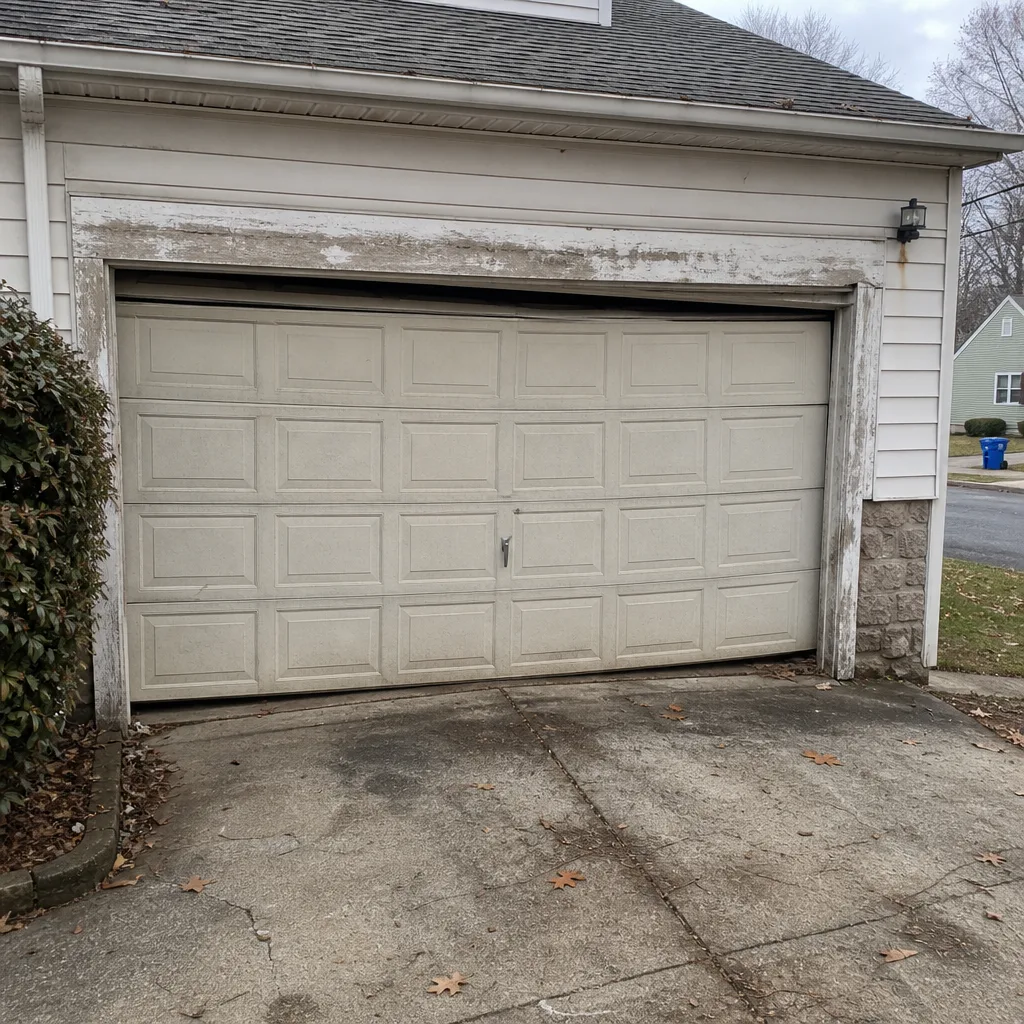 Before
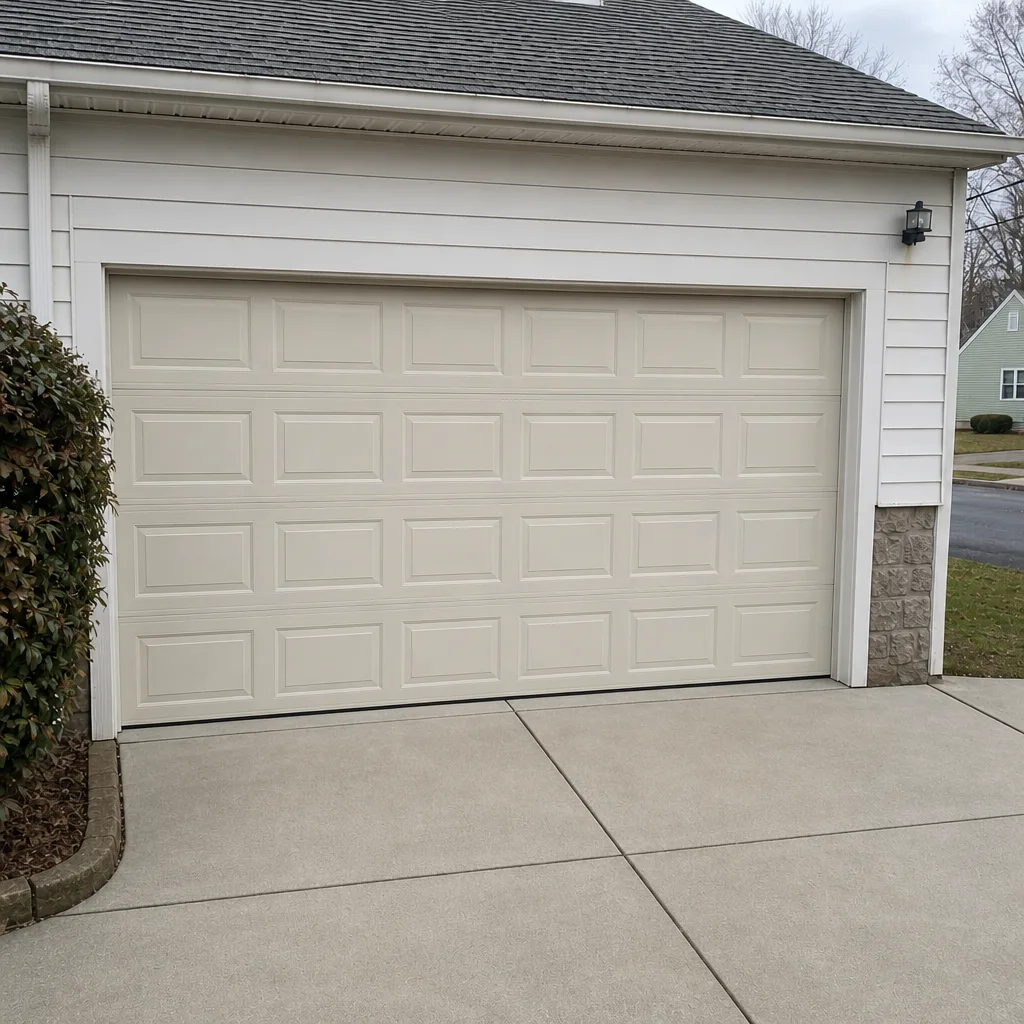 After
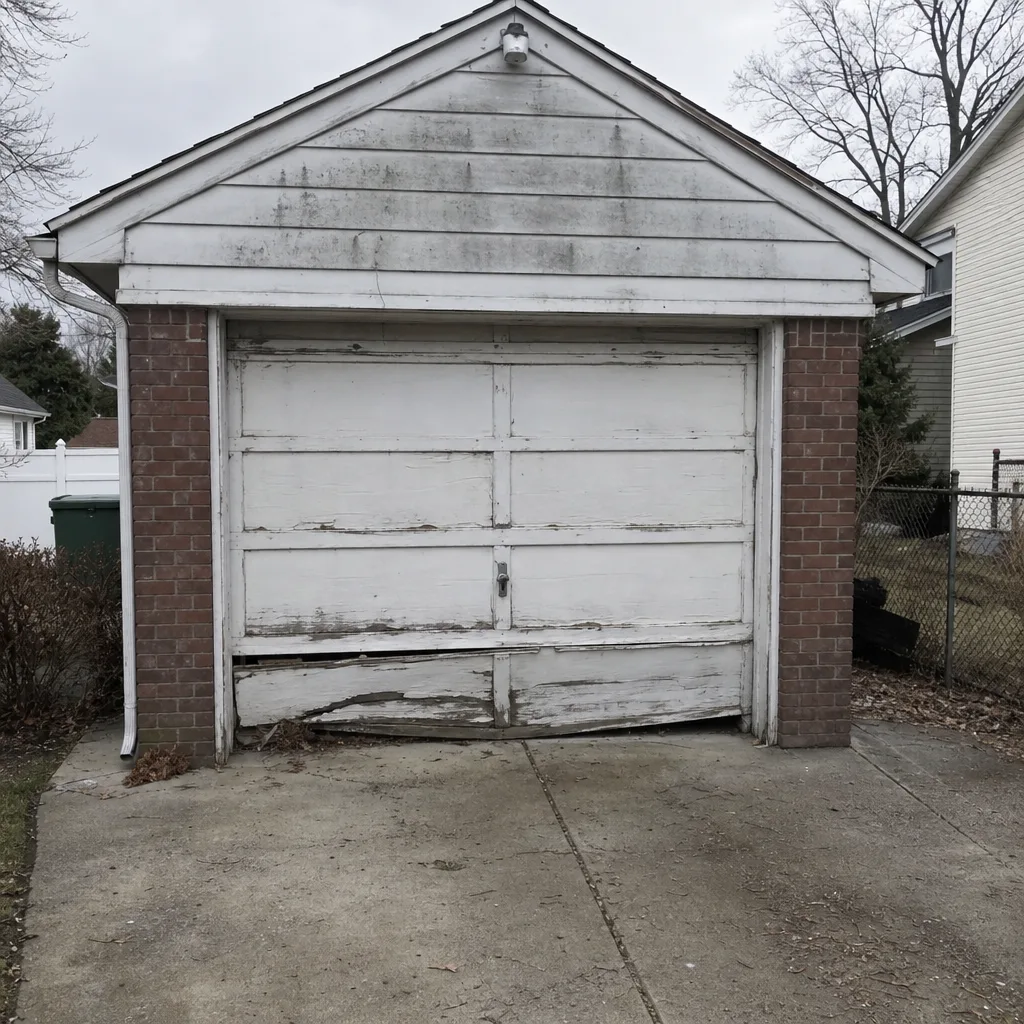 Before
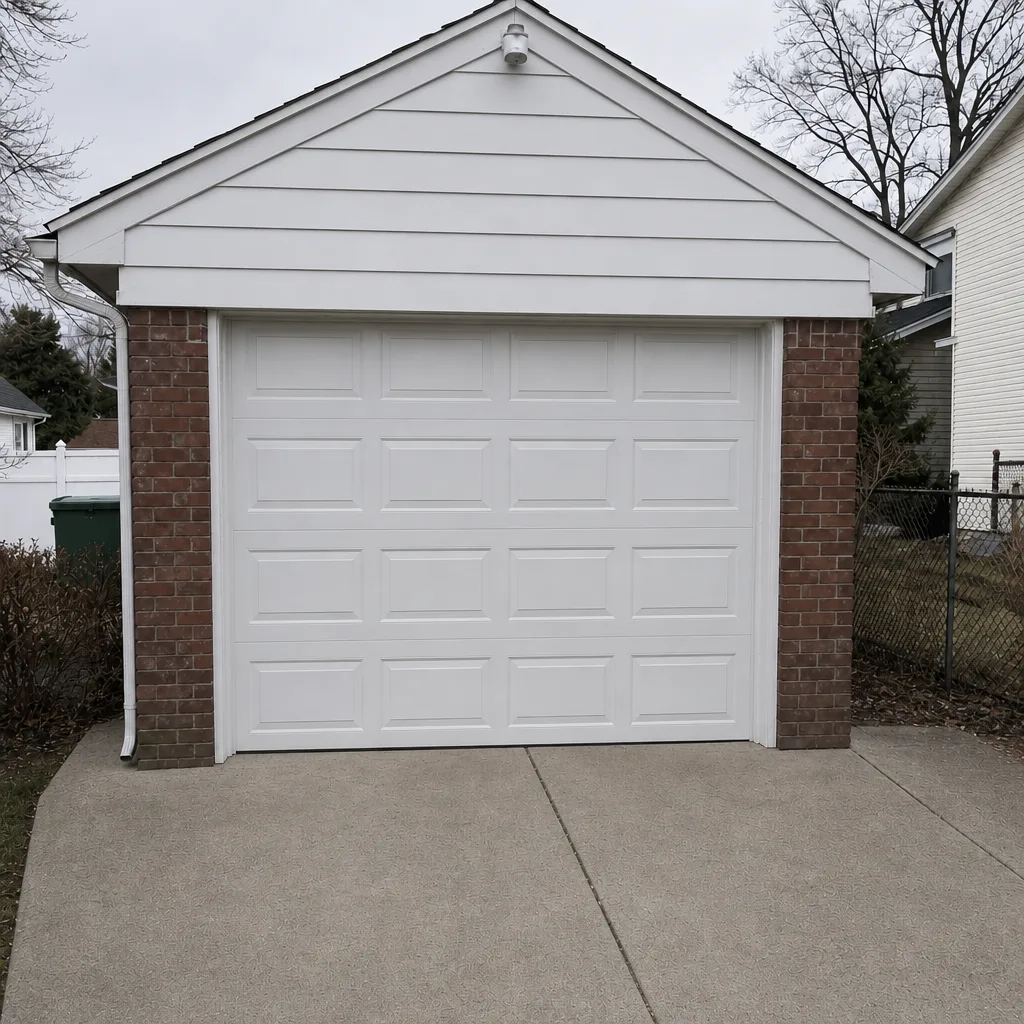 After
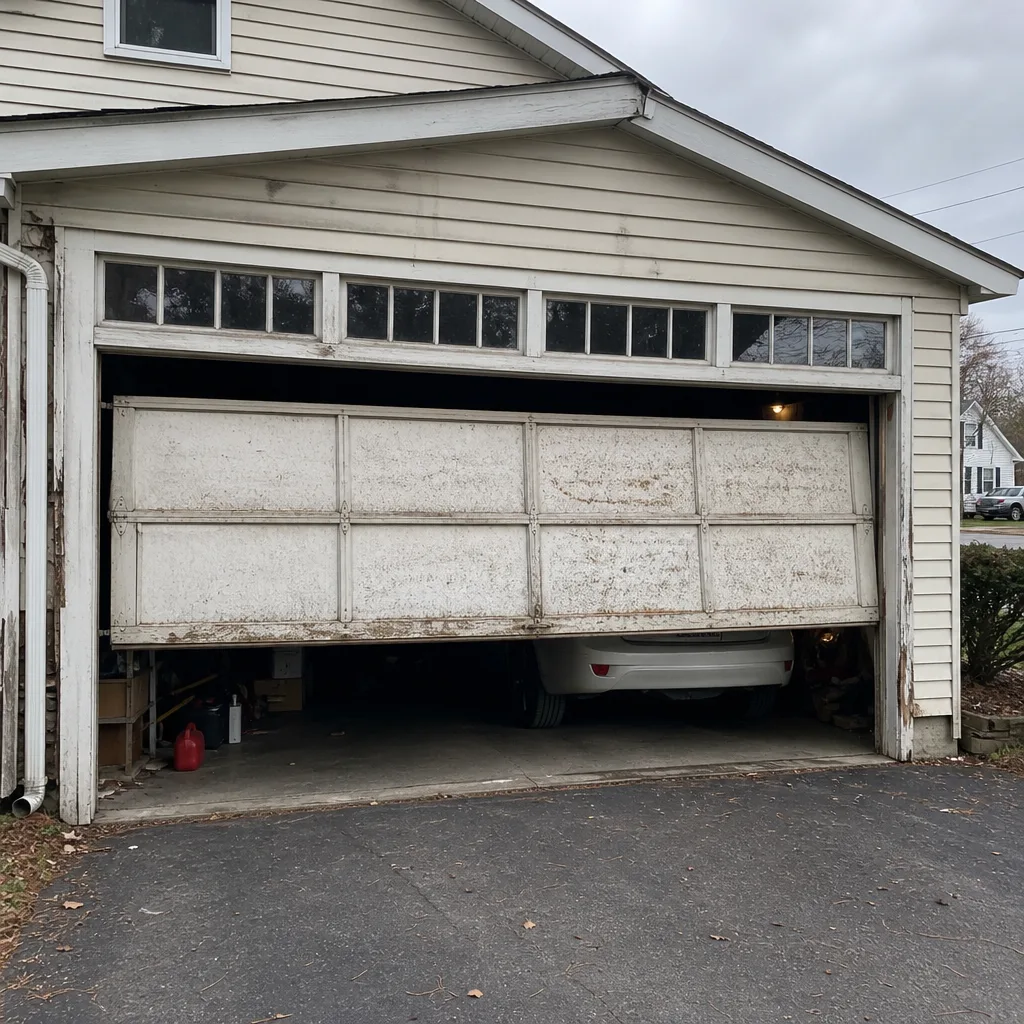 Before
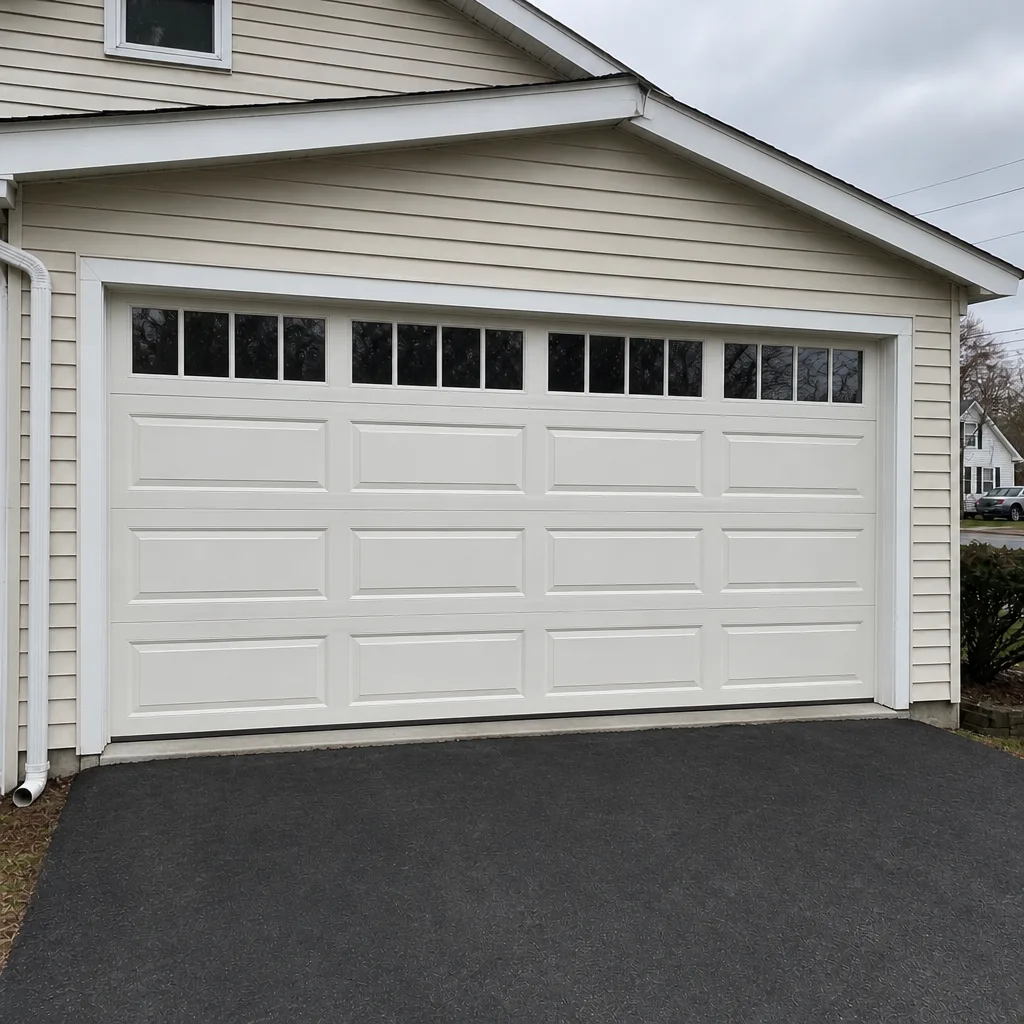 After
When to Call a Professional
Most of this guide is work you can do yourself. But some situations call for professional help, and knowing where the line is saves time and prevents injuries. Call a professional if you see a visible gap or damage in the torsion springs, if the door comes out of balance or won’t stay in position, if the reversal test fails, if a cable is loose or broken, if the door is visibly cocked to one side, if you hear grinding from the opener, or if the door won’t close at all. Spring and cable work is genuinely dangerous. Don’t test the limit of what you can do yourself.
Brockton Garage Door Repair Co offers free estimates in Brockton. Call (877) 335-4654 and we’ll get a technician out to diagnose the problem and quote the job before any work begins. Our technicians have up to 15 years of experience with the eight major brands, including Genie, Clopay, Amarr, and Wayne Dalton, so they diagnose by the book rather than by guesswork. We work on the brand you already have, and we’re happy to see your log and pick up where your own maintenance left off.
Frequently Asked Questions
A garage door in Brockton should get a thorough seasonal maintenance visit in early fall before the freeze-thaw cycle, another in spring as temperatures warm, and monthly quick checks of balance, reversal, and hardware. That’s the baseline for most homes. If your door is over ten years old, add a professional inspection once a year and expect more frequent checks during winter. The seasonal schedule matters more than the total number of checks, because each season stresses different parts.
Yes. Lubricating springs, hinges, and rollers with a white-lithium garage-door lubricant is a safe homeowner task. Clean the tracks first, apply the lubricant sparingly to the moving parts, and don’t lubricate the opener rail or belt unless the manufacturer says to. The one thing you should never lubricate yourself is the inside of a torsion spring assembly under tension. Leave that to a professional, and if you’re not sure whether you’re looking at a spring under tension, stop and call. For Brand-specific opener care, garage door opener repair is the right place to start.
A white-lithium or lithium-based garage-door-specific lubricant. Silicone spray is too thin for Massachusetts winters. It doesn’t stay where you apply it, and it offers little protection against freeze-thaw cycling. A garage-door-specific lithium product stays put, resists moisture, and doesn’t get gummy in cold weather. Apply it to springs, hinges, and rollers, and keep the tracks clean rather than greasy.
Watch for a visible gap in the coil, an unevenly wound spring, a door that’s hard to lift, or a door that comes out of balance during the balance test. Any of these is a warning. Don’t try to check the spring by hand. Torsion springs are under extreme tension and can cause serious injury if handled incorrectly. If you suspect a spring problem, stop operating the door and call a professional. This is one of the most common repairs we handle, and it’s also one of the most dangerous to attempt yourself.
Yes, in a meaningful way. A door under three years old needs only basic upkeep, mostly lubrication and visual checks. A door five to ten years old needs more frequent balance and reversal tests, plus an annual professional spring inspection. A door over ten years old needs a full system evaluation once a year and should be expected to need component-level work on springs, rollers, hinges, or the opener. The schedule should scale with the door, not stay fixed.
Yes. We handle emergency garage door service because a door that won’t close is a security risk that can’t wait. We also handle regular repair, spring work, opener work, and new installations. Our technicians have up to 15 years of experience with Genie, Clopay, Amarr, Wayne Dalton, LiftMaster, Chamberlain, Craftsman, and Raynor. If you have a log, bring it and we’ll use it. Estimates are free, and the price is quoted and agreed before any work begins. Call (877) 335-4654 to schedule.
The Bottom Line
Garage door maintenance isn’t a single annual checklist, it’s a seasonal rhythm built around the weather the door actually faces. In Brockton, that means a thorough fall prep before the first hard frost, careful monitoring through winter, balance and tension checks in spring, and hardware tightening in summer. Add the three simple tests (spring visual, balance, reversal) on a monthly basis, use the right lubricant for cold weather, and keep a log so patterns become visible. If your door is failing, call a professional, especially for spring and cable work. That’s the whole schedule. Follow it and your door will work through every Brockton season without surprises.
If you need help with any part of this schedule, Brockton Garage Door Repair Co offers free estimates for garage door repair, spring repair, opener repair, and installation. Call (877) 335-4654 and we’ll get a technician out to diagnose the problem and quote the job. Estimates are free, and the price is agreed before any work starts.
Written by the team at Brockton Garage Door Repair Co.