Last updated November 22, 2026
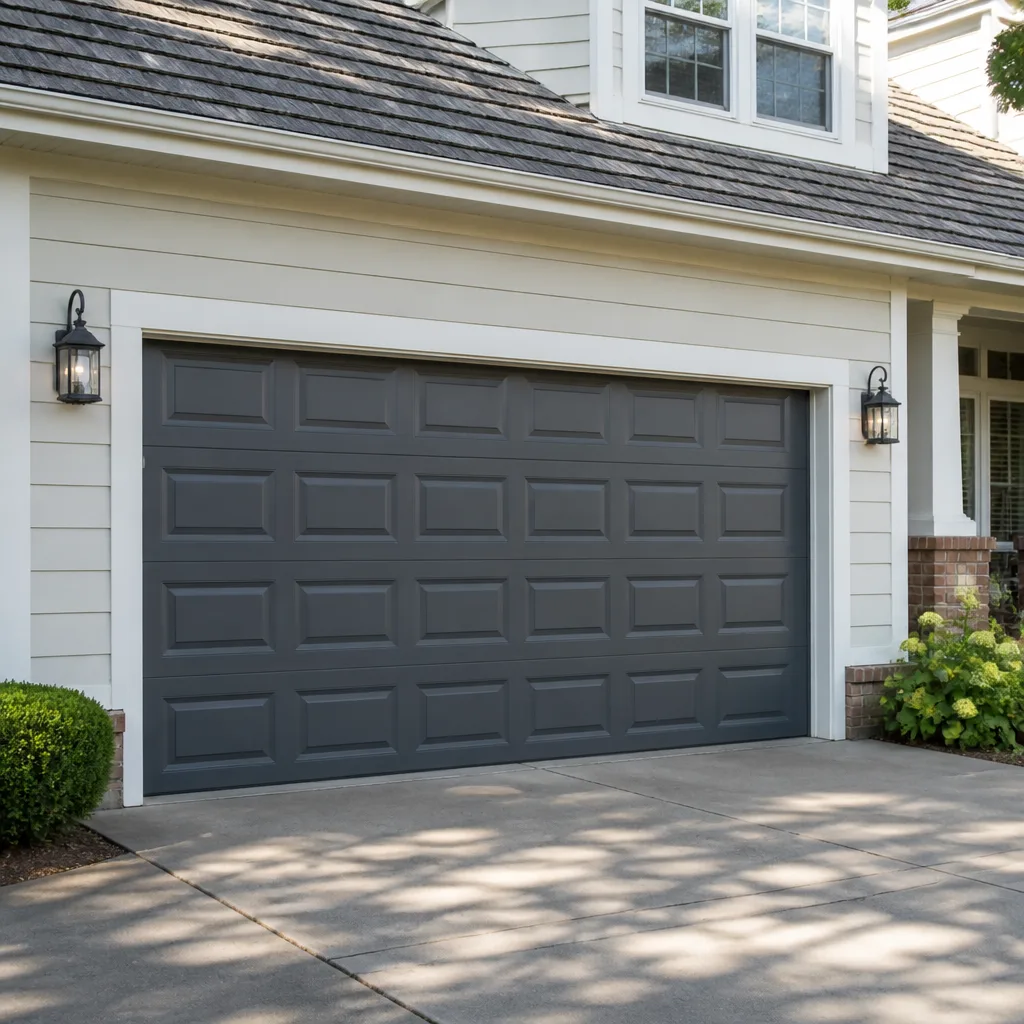 Raised-panel steel
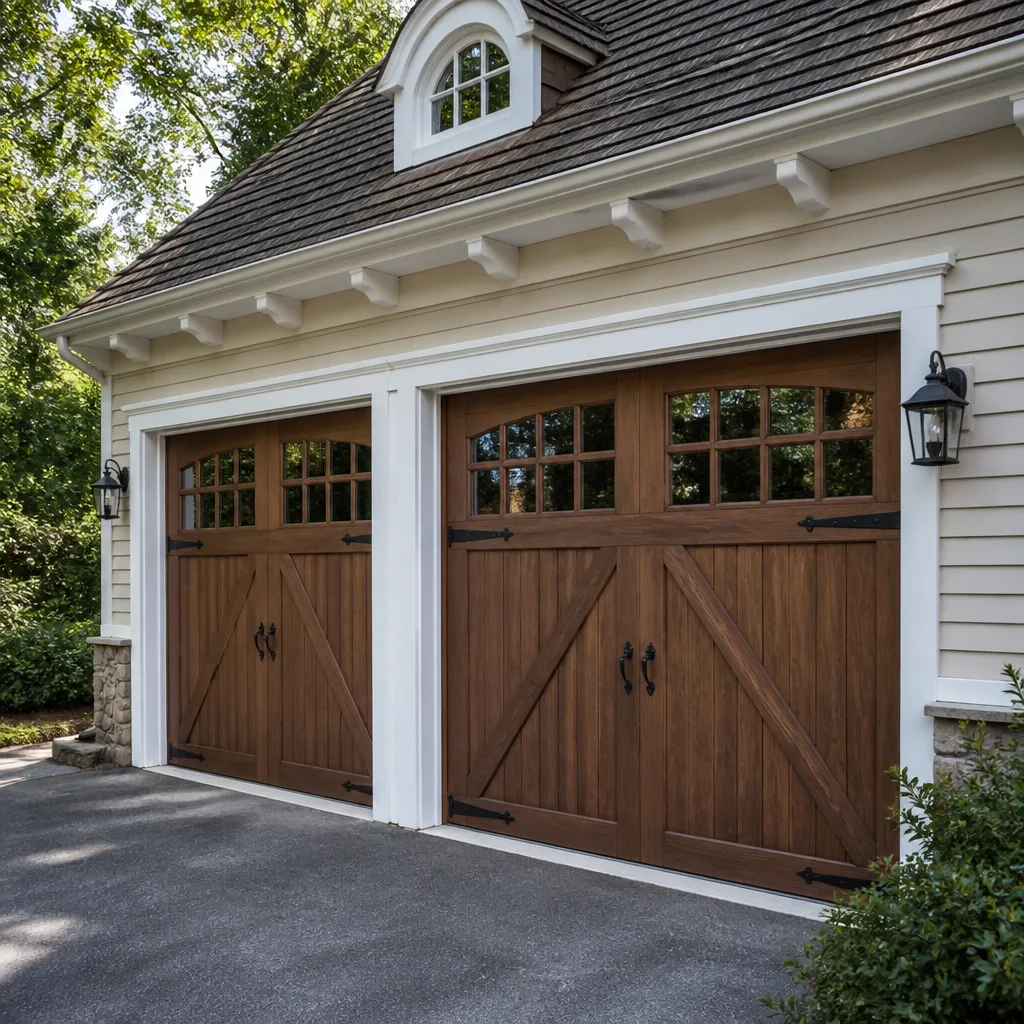 Carriage house
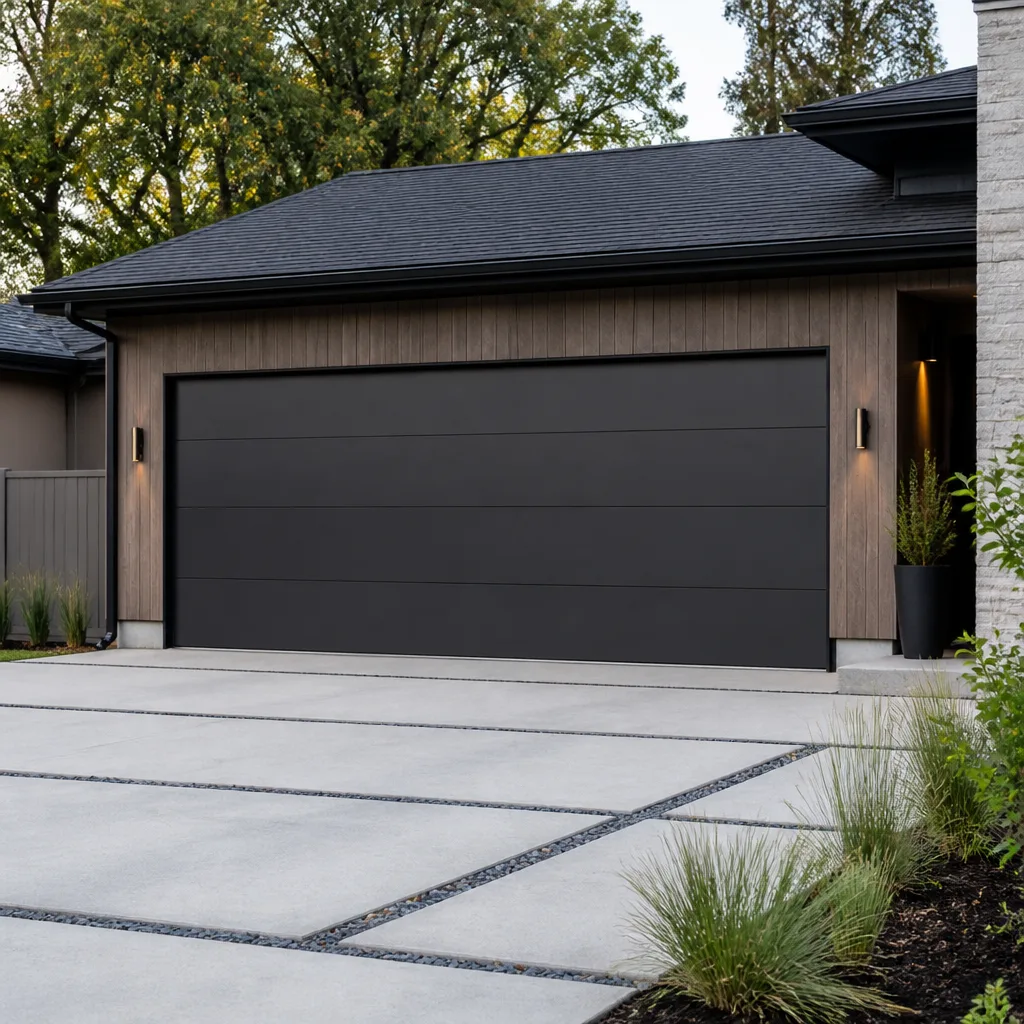 Modern flush
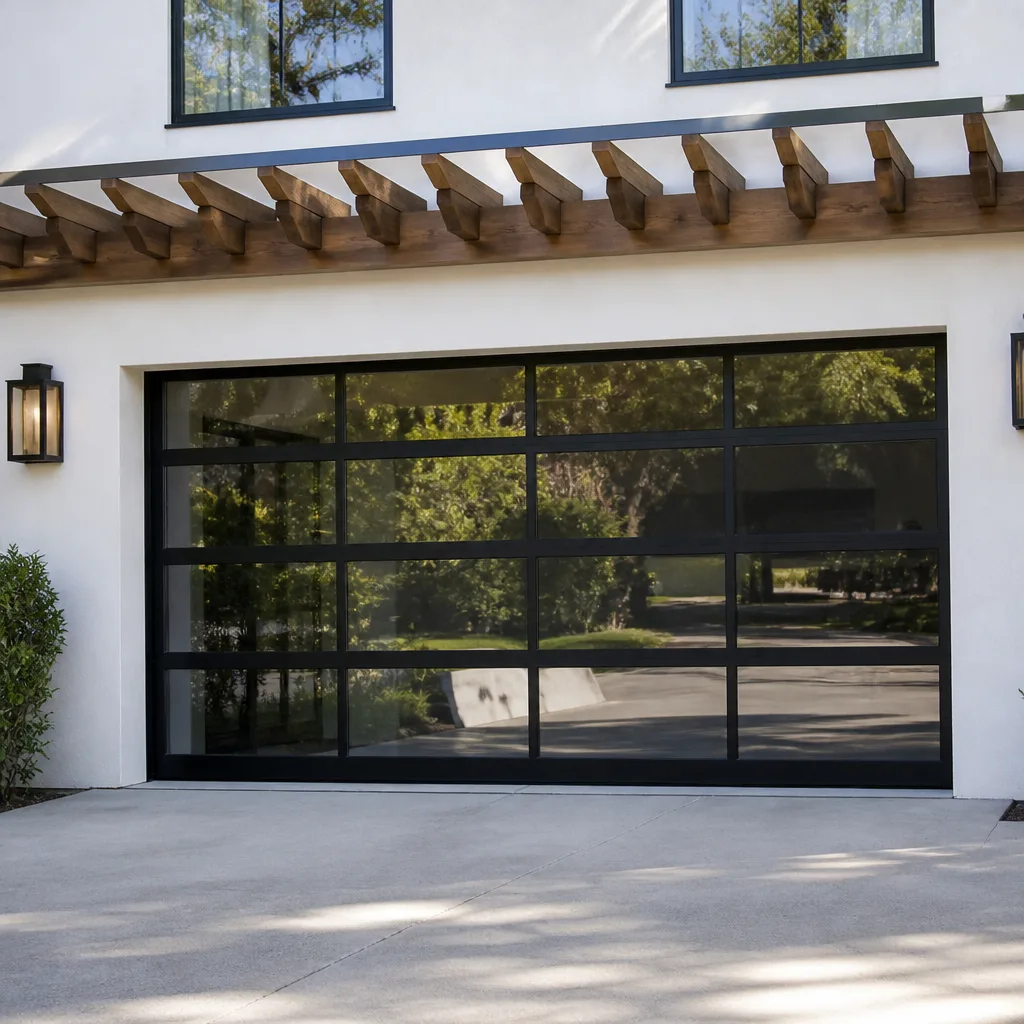 Full-view glass
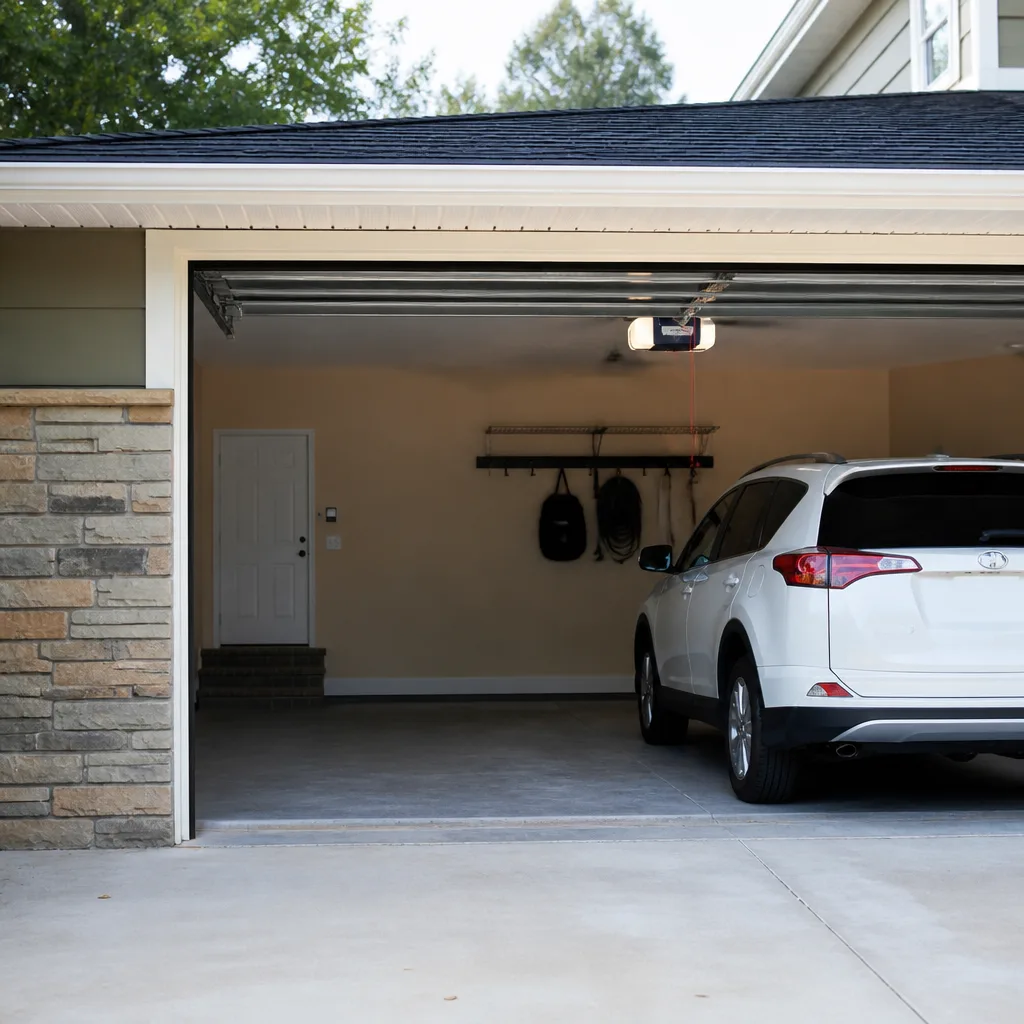 LiftMaster openers
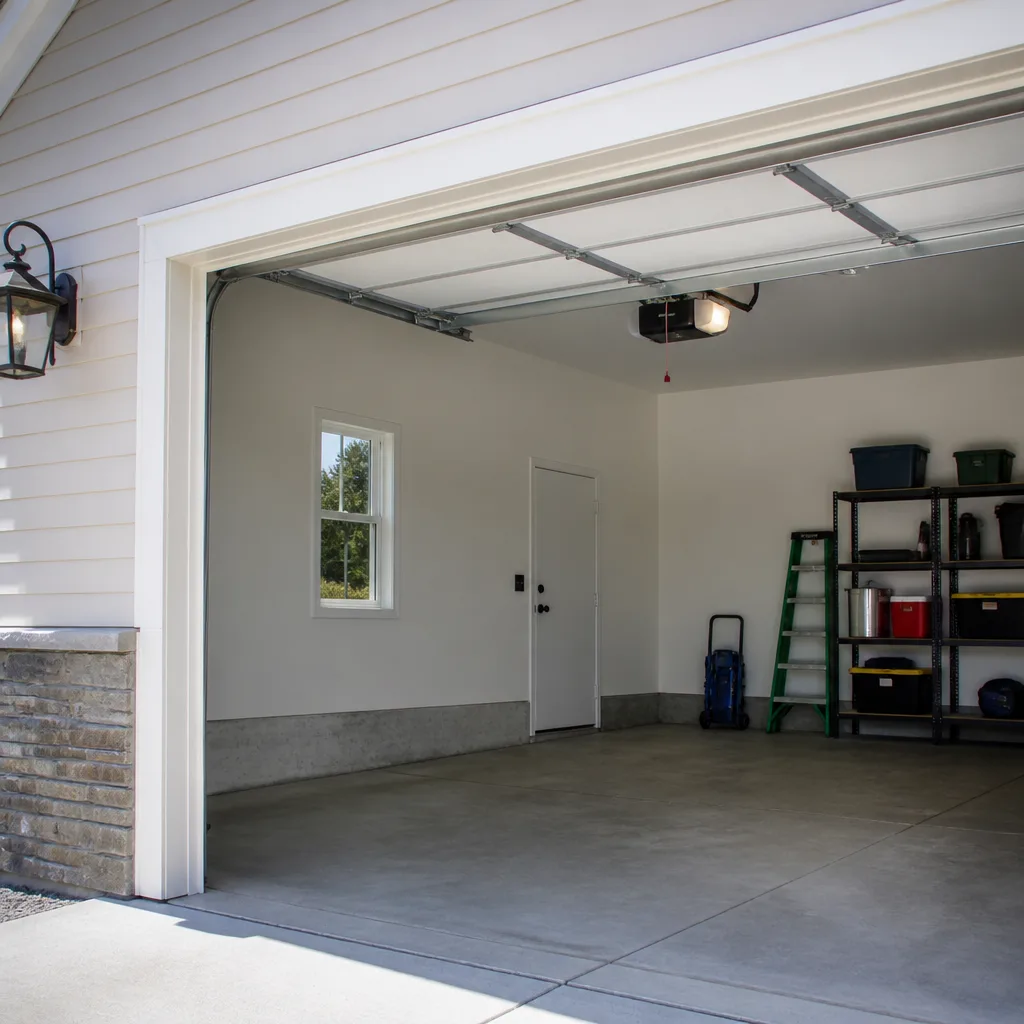 Chamberlain openers
Full 25-point door and opener safety check with every visit - springs, cables, rollers, tracks, and your LiftMaster or Chamberlain opener included
You get a price before we start. It does not change when the pro arrives.
Get your free estimateThe Complete Guide to Garage Doors in Brockton
Most garage door guides are written as if every home sits on a 1990s cul-de-sac with a builder-grade door and a matching opener. Brockton isn’t that place. A large share of homes here went up before 1980, and many garages were retrofitted with openers years after the door was hung, so the opener and the door hardware never quite agreed with each other. That mismatch is behind a good number of the service calls we see. This guide walks through how Brockton’s housing stock, its weather, its brand mix, and its permit rules shape every decision from a broken spring to a full replacement. By the end you’ll know what’s common on your block and what to do about it.
Quick Answer
A garage door in Brockton is a working system: the door, the springs that balance it, the tracks, and the opener that drives it. When something goes wrong, the fix depends on which part failed and whether the hardware matches the door it’s attached to. For most Brockton homeowners the practical path is a professional diagnosis, a written estimate before any work begins, and a repair or replacement sized to the age and type of the house. Major brands like LiftMaster, Chamberlain, Genie, and Clopay all show up here, so choose a company that works on the brand you already have.
Styles & brands we work with
- Raised-panel steel
- Carriage house
- Modern flush
- Full-view glass
- LiftMaster openers
- Chamberlain openers
Table of Contents
- How Brockton’s Housing Stock Shapes Garage Door Decisions
- The Brand Mix You’ll Find Across Brockton
- Freeze-Thaw Cycles and What They Do to Your Door
- Repair or Replace? A Practical Checklist
- Openers, Retrofits, and Why Mismatches Happen
- Spring Repair: The Highest-Risk Job on the Door
- Permits and Code in Brockton: When You Actually Need One
- What Garage Door Work Typically Costs in Brockton
How Brockton’s Housing Stock Shapes Garage Door Decisions
Walk through Brockton’s neighborhoods and you’ll see three housing types doing most of the work: triple-deckers, capes, and ranches. Each one creates its own garage door situation, and knowing which you have tells you a lot about what a technician is likely to find.
Triple-deckers are the signature Brockton building. Many were built with a single detached or under-building garage sized for a much smaller car than what’s parked there now. When a door on one of these fails, the opening may be narrower than standard, which limits which replacement panels and tracks will fit without modification. Homeowners here often assume a standard-size door will drop in. It usually doesn’t.
Capes and ranches from the mid-century era bring their own quirks. A lot of them have single-car garages with low headroom, which affects which openers can be installed and how the springs are mounted. Low-headroom setups often call for a different spring configuration than a standard garage, and that’s a detail a generalist can miss on the first visit.
Here’s what the housing mix means in practice:
- Older openings may be non-standard. Measure before you order anything. Capes and triple-decker garages frequently don’t match today’s standard door dimensions.
- Retrofitted openers are common. Many doors were hung decades before an opener was added, so the opener may be working harder than the door was designed for.
- Low headroom changes the parts list. A ranch garage with a shallow ceiling needs a spring and opener setup matched to that constraint.
- Mixed ages on one block. You can have a 1950s cape next to a newer build, which means no single “Brockton door” exists. The house decides.
If you’re weighing a fix against a replacement, our garage door repair team can look at the specific opening and tell you which makes sense for your house, not for a generic template.
The Brand Mix You’ll Find Across Brockton
Brockton’s garages carry a wide spread of hardware, and that spread is exactly why brand familiarity matters. On the same street you’ll find a big-box opener installed a few years ago next to a hand-me-down system that’s been on the door since who-knows-when. A company that only knows one brand will turn away half the block.
The brands that come up most often here include LiftMaster, Chamberlain, Genie, Clopay, Amarr, Wayne Dalton, Craftsman, and Raynor. We’re equipped to work on all eight, which means you don’t get bounced to a different contractor because your opener happens to be a Genie and the last company only stocked Chamberlain parts.
Why does the brand actually matter? A few reasons:
- Diagnostics differ by brand. Opener error codes, travel limits, and safety-reversal behavior follow each manufacturer’s own logic. A technician who knows the brand reads the system instead of guessing.
- Parts availability varies. Common brands like LiftMaster and Chamberlain have broad parts support. Less common systems can take longer to source, so knowing the model up front saves a second visit.
- Retrofits create hybrids. A Clopay door with a Genie opener is normal in Brockton. The technician has to be fluent in both halves of that pairing.
- Hand-me-downs aren’t rare. Some openers arrived with a previous owner or a family member’s upgrade. Brand-specific knowledge is the only way to service them reliably.
If your opener is the problem, our garage door opener repair service covers the major systems, and it covers both the opener and the door, so you’re not stuck coordinating two contractors. For a full rundown of how we approach the whole system, see Brockton Garage Door Repair Co.
Freeze-Thaw Cycles and What They Do to Your Door
Plymouth County’s winters run through repeated freeze-thaw cycles, and that pattern is harder on garage doors than a single deep freeze would be. Water works into small gaps, freezes, expands, and then melts, and the cycle repeats. Over a season it loosens hardware and stresses the parts that already carry the most load.
What tends to fail first in this climate:
- Springs. The spring is under constant tension and flexes every time the door moves. Cold makes the metal less forgiving, and a spring that’s near the end of its life often gives out on the first hard cold snap.
- Rollers and hinges. Moisture works into the moving parts. Rollers get stiff, hinges start to squeak, and the door begins to drag.
- Weather seals. The bottom seal and the side seals take the brunt of the freeze-thaw pounding. A cracked seal lets water and cold air in, which then stresses everything else.
- Track alignment. Ground movement and frost heave can nudge a track out of true. A door that suddenly rubs on one side is often a track problem, not a door problem.
- Panel warping. Repeated moisture exposure plus sun can warp a wood or composite panel, which then throws off the door’s balance.
None of this means you need to replace a door every few years. It does mean the moving parts deserve a look before winter sets in, and that a door acting strange in January is often reacting to the cold rather than failing outright. In our experience, a door that’s sluggish in the cold is telling you something is already worn.
When a spring does let go, it’s not a job to tackle yourself. Springs are under high tension, and the wrong move can cause serious injury. That’s why garage door spring repair is work for a trained technician with the right tools.
Repair or Replace? A Practical Checklist
The repair-or-replace question comes up more in Brockton than in newer suburbs because so many doors are older. The right answer depends on the door’s condition, not its age alone. A well-maintained 30-year-old door can outlast a neglected 10-year-old one.
Here’s the checklist we’d walk through with you:
- Is the structure sound? If the panels are solid and the tracks are straight, you’re probably looking at a repair. If the door is sagging, cracked through, or the frame is rotted, replacement climbs the list.
- How many parts are failing at once? One broken spring is a repair. Springs, rollers, hinges, and a bent track all failing on the same door usually points to replacement.
- Does the opener match the door? A retrofit that never matched the door’s weight can cause repeat failures. Sometimes the fix is a properly sized opener, not a new door.
- Is the door safe? A door that doesn’t reverse when it hits an obstacle, or one that drops when the opener is released, needs attention right away. Safety comes before cost.
- What’s the opening size? On a triple-decker or cape with a non-standard opening, replacement can mean custom sizing. That changes the math, so get it measured before you decide.
- How’s the insulation? If the garage sits under living space or you use it as a workspace, an insulated door may be worth it. If it’s a detached, unheated garage, insulation buys you less.
If the door is repairable, we’ll tell you. If it isn’t, we’ll show you why. Getting a written estimate before work starts means you’re deciding on facts, not a pitch.
Openers, Retrofits, and Why Mismatches Happen
Brockton’s retrofit problem is real and it deserves its own section. When a door was installed before openers were standard, the door was balanced for hand operation. Decades later, someone added an opener, and the door and the opener were never checked against each other. The opener drives a door that’s heavier or stiffer than it expects, and something has to give.
Signs your opener doesn’t match your door:
- The door strains or slows partway through its travel
- The opener motor runs hot or sounds labored
- The safety reversal doesn’t work reliably
- The door drifts down after it closes
- The opener has been replaced more than once on the same door
What a proper opener service looks like:
- Check the door’s balance first. An opener can’t fix a door that’s out of balance. The door has to move freely by hand before the opener is even in the conversation.
- Match the opener to the door’s weight and size. A single-car cape door and a triple-decker garage door need different capacity, and low headroom rules out some models entirely.
- Set the travel limits and force settings. These follow the manufacturer’s spec for the brand, which is why brand familiarity matters.
- Test the safety reversal. This is the one feature that protects people and pets, and it has to work every time.
- Pair the remotes and keypad, and confirm the wall control works. Small step, but it’s the one people notice first.
Whether you have a LiftMaster, a Chamberlain, or a Genie, the process is the same. The specifics change by brand, and that’s the part that separates a real diagnosis from a guess.
Spring Repair: The Highest-Risk Job on the Door
Springs are the most dangerous part of any garage door, and they’re the most commonly mishandled. The spring is what makes a heavy door feel light. It’s under constant tension, and when it fails it does so suddenly. That’s why we treat spring repair as its own specialty rather than an add-on.
Two things are true at once here. First, a broken spring is fixable and usually straightforward for a trained technician. Second, it is not a do-it-yourself job. The tension stored in a wound spring can release with enough force to cause serious injury, and the tools and technique required aren’t things you pick up from a video. We’re not going to walk you through winding a spring, because that’s exactly the kind of instruction that gets people hurt. What we will do is tell you what to watch for.
Signs a spring is failing or has failed:
- A loud bang from the garage, often followed by a door that won’t lift
- A visible gap in the spring coil
- The door feels extremely heavy when you try to lift it by hand
- The opener runs but the door barely moves, or the opener strains and stops
- The door hangs crooked or won’t stay up when raised partway
If you notice any of these, stop using the opener. Running a door with a broken spring puts the whole load on the opener and can damage it too. A trained technician will check the door’s balance, replace the spring (or the matched pair, since they usually wear together), and confirm the door moves safely before calling it done. Springs are a two-spring job on most doors, and pricing reflects that. To have it looked at, our spring repair team handles the diagnosis and the fix on the same visit.
Permits and Code in Brockton: When You Actually Need One
Permit questions come up constantly, and the honest answer is that it depends on the scope of the work. Replacing a garage door opener or repairing a spring typically doesn’t require a permit. Structural changes, new construction, or altering the garage opening itself usually do. The only reliable way to know for your specific project is to ask the City of Brockton’s building department before work starts.
A rough guide to what tends to fall on each side:
- Usually no permit: opener replacement, spring repair, roller and hinge replacement, track realignment, weather seal replacement.
- Often needs a permit: enlarging or altering the garage opening, structural changes to the frame, adding a garage where none existed, work tied to a larger renovation.
- Ask the city: anything that changes the footprint, the opening size, or the structural framing. Rules also shift over time, so confirm current requirements rather than relying on what a neighbor did years ago.
If you’re installing a new door, this is a good conversation to have before you order. Our garage door repair team can walk through what a typical install involves so you know what to ask the city. For a broader look at what a professional installation includes, the team at Brockton Garage Door Repair Co handles full installs as well as repairs, so you’re not starting over with a new contractor the first time the new door needs service.
What Garage Door Work Typically Costs in Brockton
Pricing for garage door work depends on the part, the door, and the brand, so any number you see is an estimate until someone looks at your actual door. The ranges below are typical for the Brockton market and are meant to help you plan, not to replace a written quote. The written estimate you get before work starts is the price that matters.
| Service | Typical Estimated Range |
|---|---|
| Spring replacement (per spring) | $180 – $340 |
| Spring replacement (matched pair) | $360 – $680 |
| Opener repair | $150 – $350 |
| Opener replacement (installed) | $350 – $700 |
| Roller and hinge replacement | $100 – $250 |
| Track realignment | $120 – $300 |
| Weather seal replacement | $100 – $250 |
| New door installation | Varies widely by size and material; get a written measure and quote |
Two things to keep in mind about these ranges. First, a spring price is for one spring. Most doors have a matched pair, and they’re usually replaced together, so a pair costs about twice the single-spring figure. Second, an unusual opening size (common on Brockton’s older homes) can add cost because the parts have to be matched or modified.
Every job we do starts with a quote that’s agreed before any work begins. If the door turns out to need more than expected once it’s open, we stop and talk to you before doing anything else. You won’t get an invoice bigger than the number you agreed to. For an exact figure on your door, call (877) 335-4654 for a free estimate.
Common Mistakes to Avoid
- Assuming a standard door fits a non-standard opening. Plenty of Brockton capes and triple-deckers have openings that don’t match today’s stock sizes. Measure before you order anything, or you’ll be the one returning it.
- Running the opener with a broken spring. This is the most common mistake we see. The opener isn’t built to lift the door on its own, and running it that way can burn out the motor and damage the door.
- Hiring a single-brand dealer for a mixed-brand house. On a street where big-box installs and hand-me-down hardware sit side by side, a one-brand contractor will turn you away or try to sell you a whole new system you don’t need.
- Ignoring a slow or dragging door as the seasons change. In Brockton, that sluggishness in cold weather usually means a worn part, not a door that’s “just cold.” Deal with it before it fails completely.
- Skipping the safety reversal test. It’s the one check that protects people and pets, and it takes seconds. If it doesn’t work, get it fixed.
- Trying a spring repair yourself. This is the one item on the list with a real risk of serious injury. Springs are under high tension and belong in the hands of a trained technician.
- Assuming a permit is or isn’t needed without asking. Rules differ by scope and change over time. A quick call to the city settles it, and guessing can cost you later.
See the difference
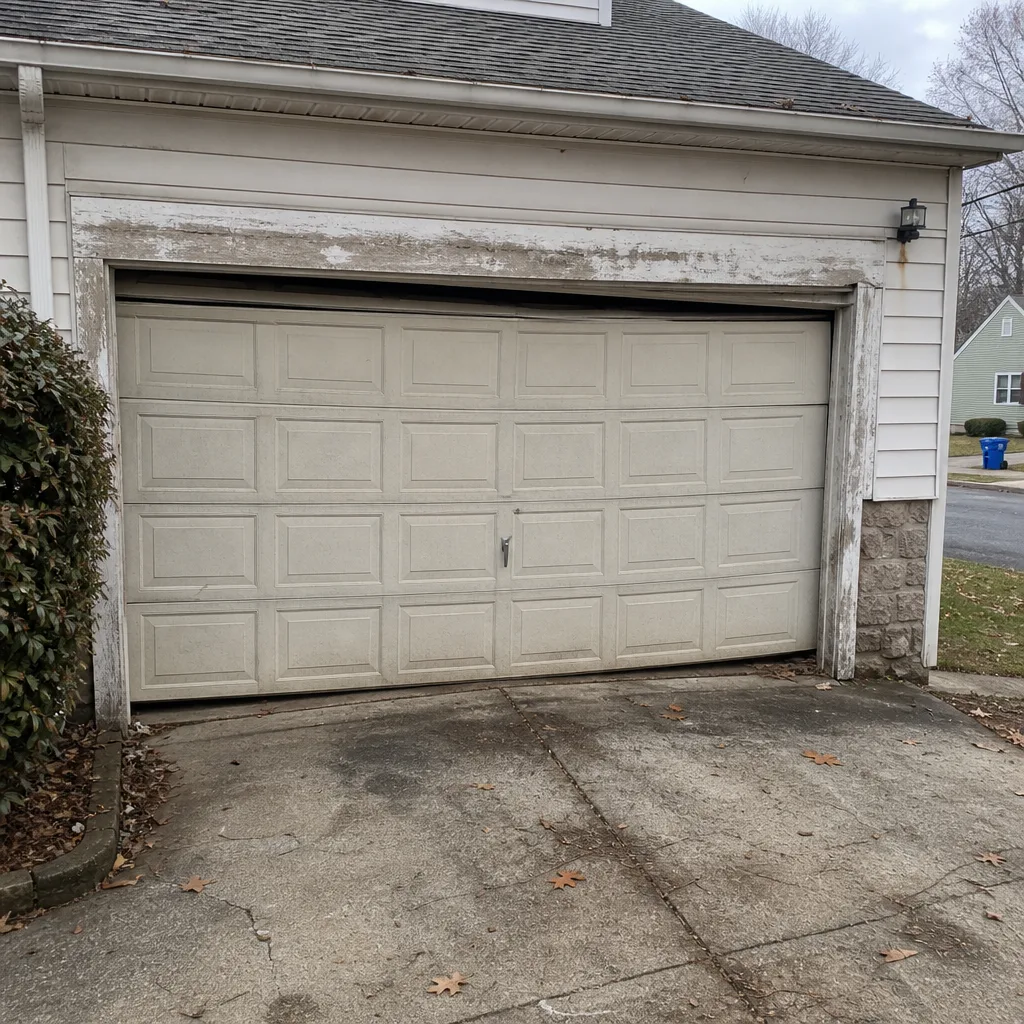 Before
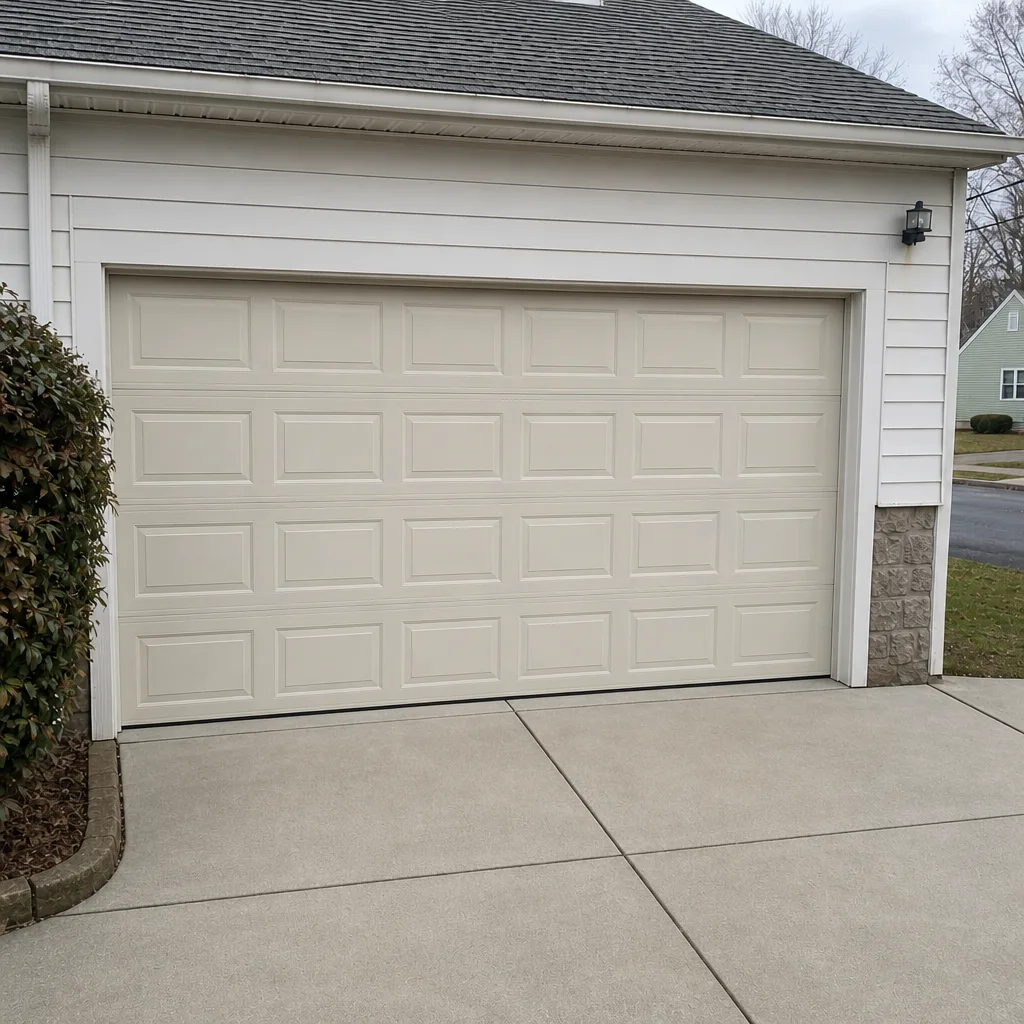 After
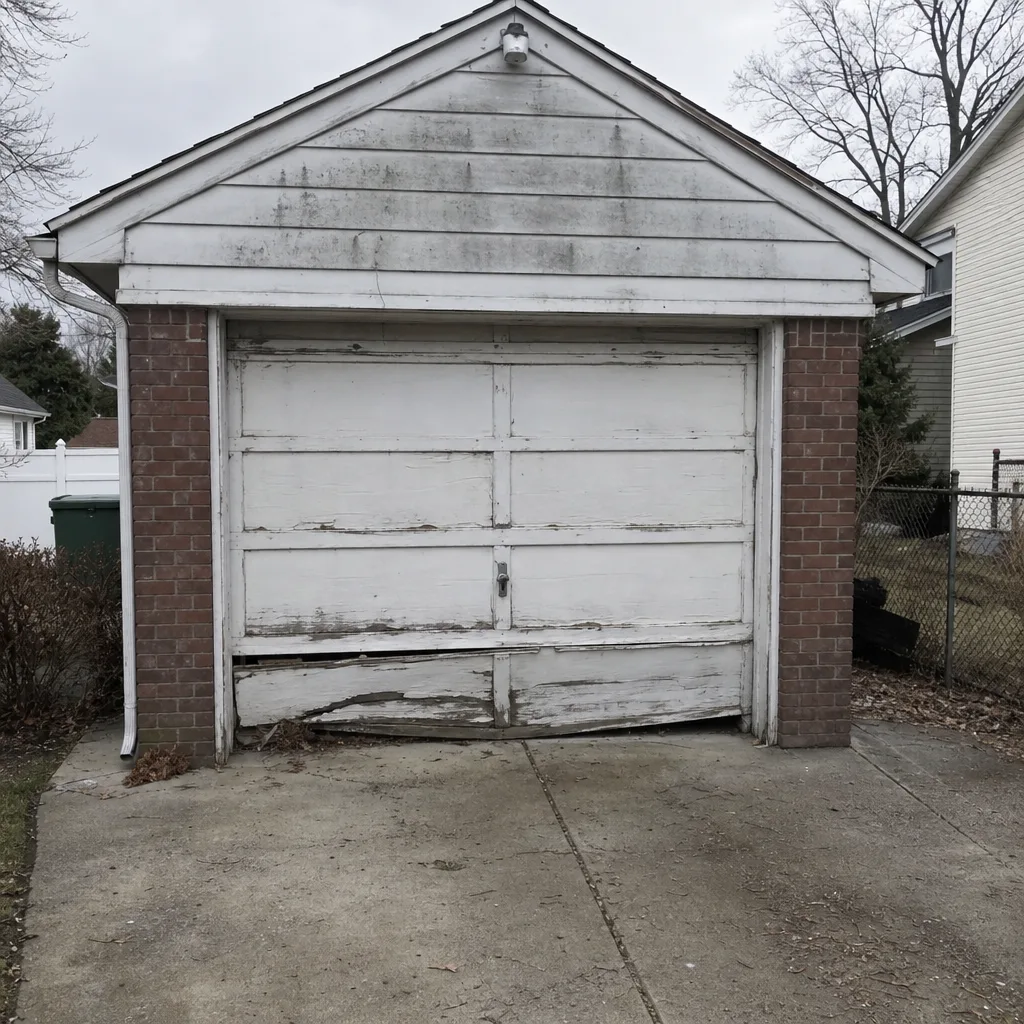 Before
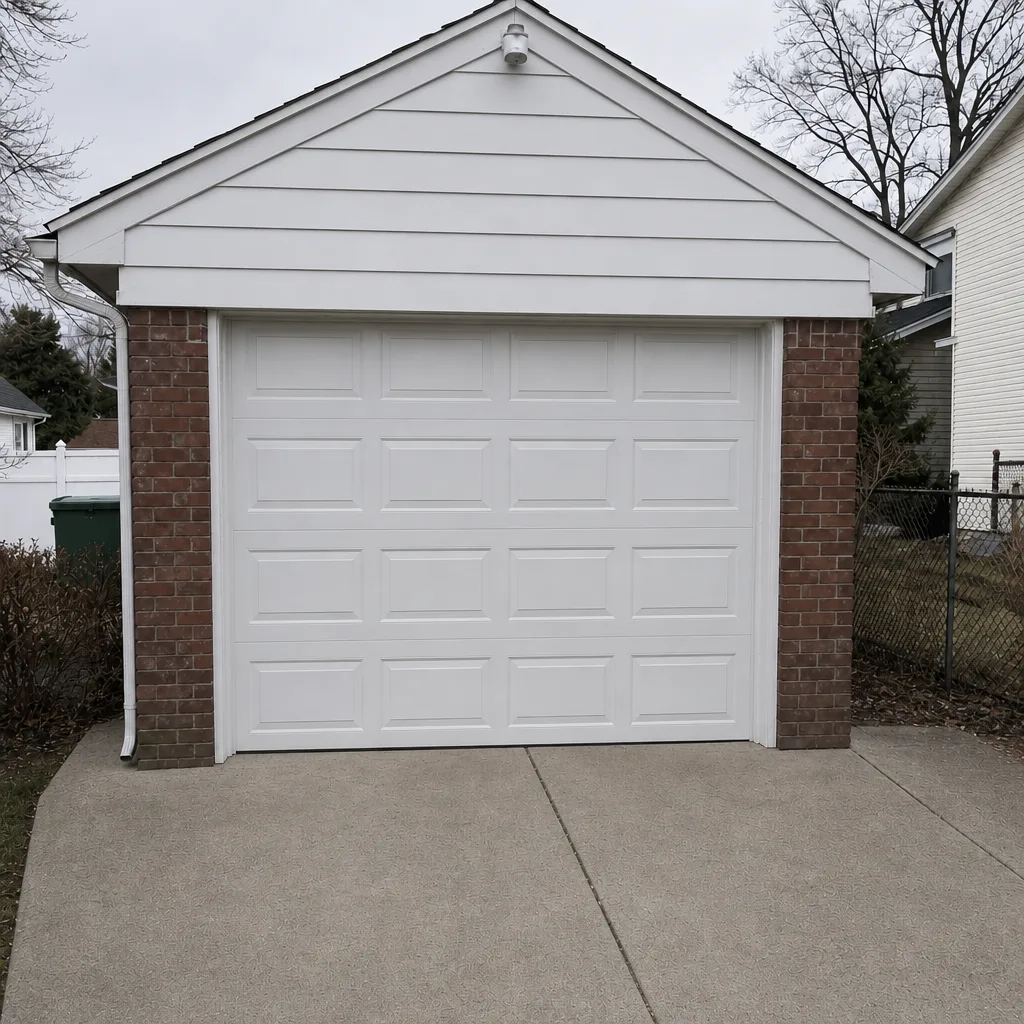 After
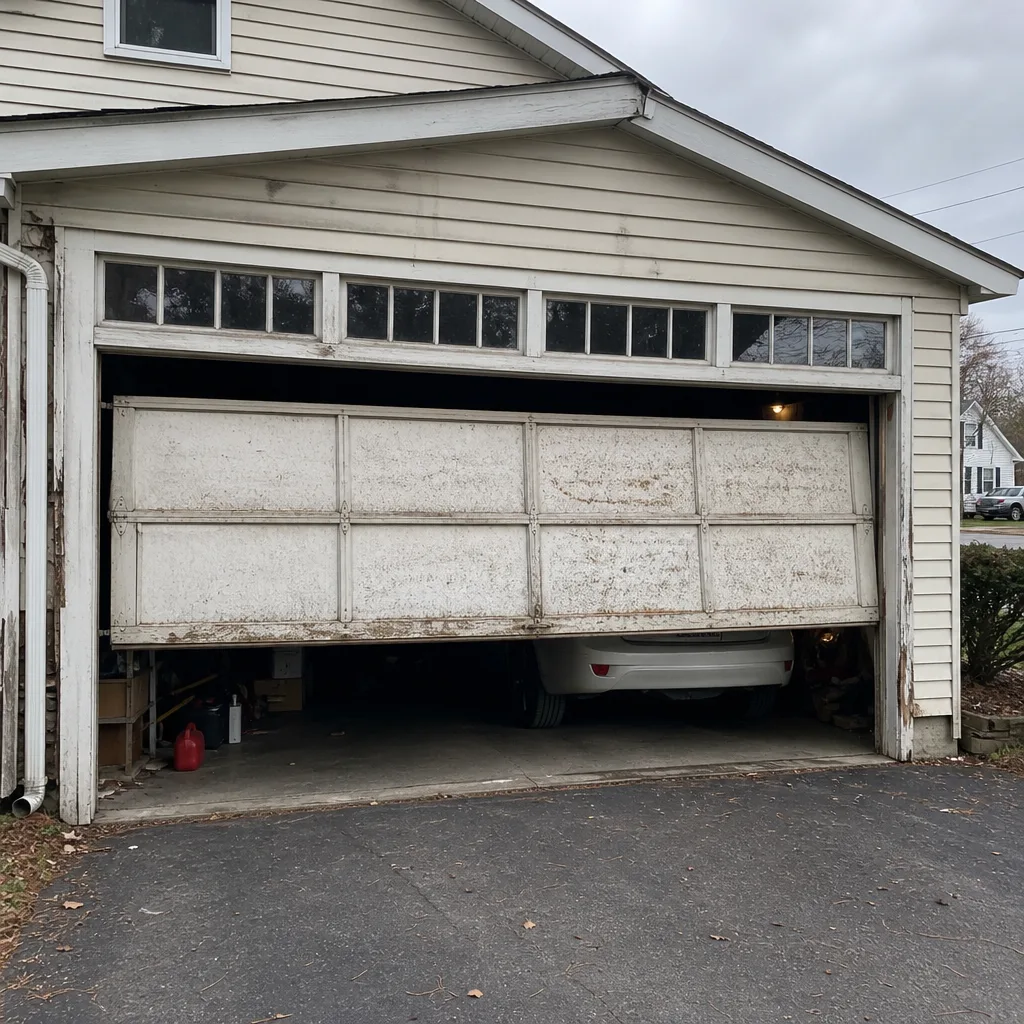 Before
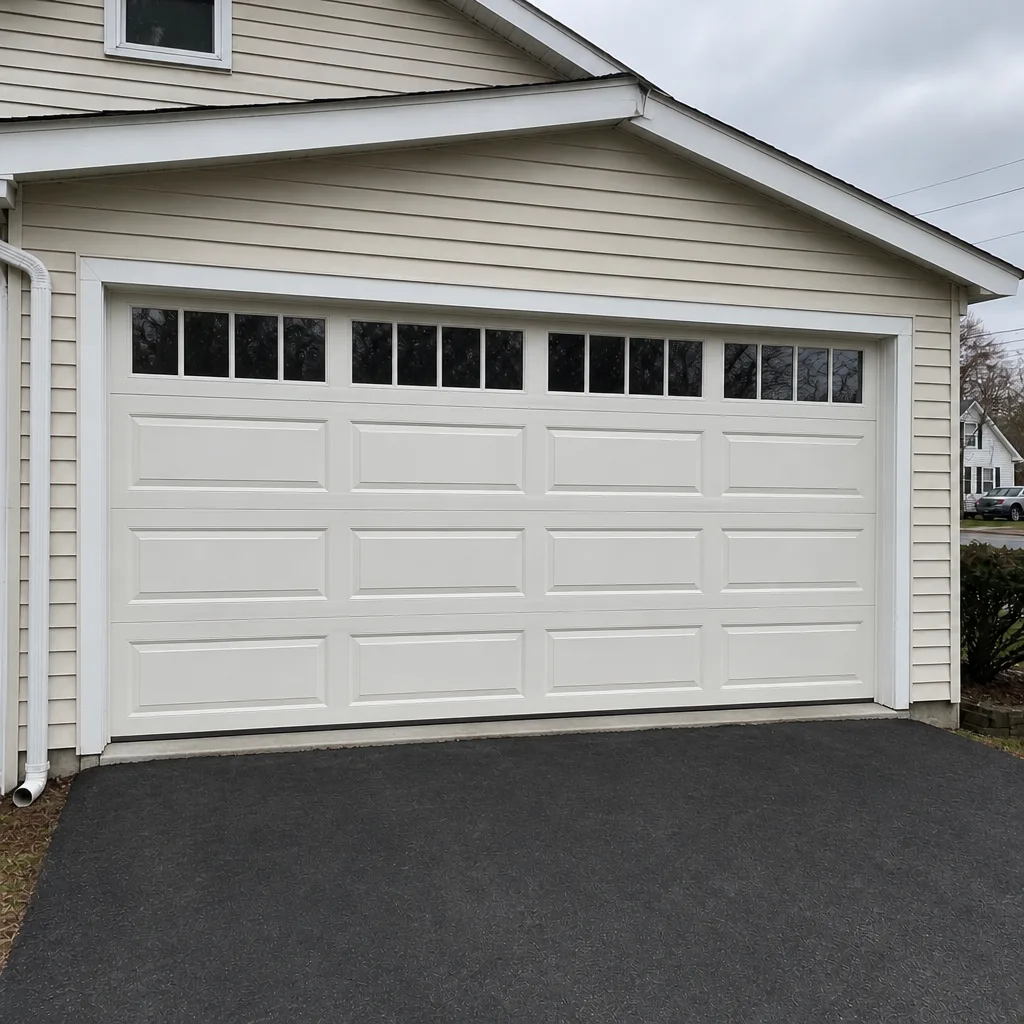 After
When to Call a Professional
Some problems are obvious and urgent: a door that won’t close and leaves the house open, a spring that snapped, an opener that’s dead. A door that won’t close is a security concern that can’t wait, which is why emergency service is a core part of what we do, not an upcharge. Other problems are quieter, like a door that’s started to drag, a hinge that squeaks, or a safety reversal that’s stopped working. Those still deserve a look, because small issues tend to grow. The one thing we’d never suggest is a DIY spring repair, since the risk isn’t worth it.
Brockton Garage Door Repair Co offers free estimates in Brockton. Call (877) 335-4654 and we’ll get a technician out to look at the door, whether it’s a repair, a spring, an opener, or a full replacement.
Frequently Asked Questions
Spring repair in Brockton typically costs $180 – $340 per spring, and most doors use a matched pair that’s replaced together for roughly $360 – $680. The exact figure depends on the door and the spring type, and the written quote you get before work starts is the price. Call (877) 335-4654 for an exact quote; estimates are free.
Yes, emergency service is a core part of what we offer, because a door that won’t close is a real security problem. Call (877) 335-4654 and we’ll work out the fastest option for your door. The price is quoted and agreed before any work starts, so an emergency doesn’t turn into a surprise invoice.
Not at all. Mixed setups like a LiftMaster opener with a Clopay door are common in Brockton, and we work on both. What matters is that the opener is matched to the door’s weight and balance, and that the travel limits and safety settings are correct for the brand. That’s the kind of check we do on a single visit.
It depends on the scope. Replacing an opener or repairing a spring typically doesn’t need a permit, but structural changes or altering the opening usually do. The safest move is to call the City of Brockton’s building department with your specific project and confirm the current requirement before ordering anything.
No. Every job starts with a quote that’s agreed before any work begins. If the door turns out to need more than expected, we stop and talk to you before doing anything else, so you’re never billed for a surprise. Call (877) 335-4654 for a free estimate.
Because a lot of Brockton homes predate modern openers, and many garages were retrofitted years after the door was installed. That mismatch is the root of many service calls we see. A technician who knows the specific brand of opener and door can diagnose the pairing and get it working together.
The Bottom Line
Brockton’s garages aren’t generic, so neither should the guidance you follow. The housing stock, the freeze-thaw winters, the mix of brands on one block, and the permit landscape all shape what a sensible repair or replacement looks like. Springs and openers are the two parts that fail most often, and both benefit from brand-specific knowledge and a written estimate before work starts. Whether you’re repairing a broken spring or planning a new door, the right move is a professional diagnosis and a clear price. Call (877) 335-4654 for a free estimate and we’ll take a look at your specific door.
Written by the team at Brockton Garage Door Repair Co.