Last updated November 22, 2026
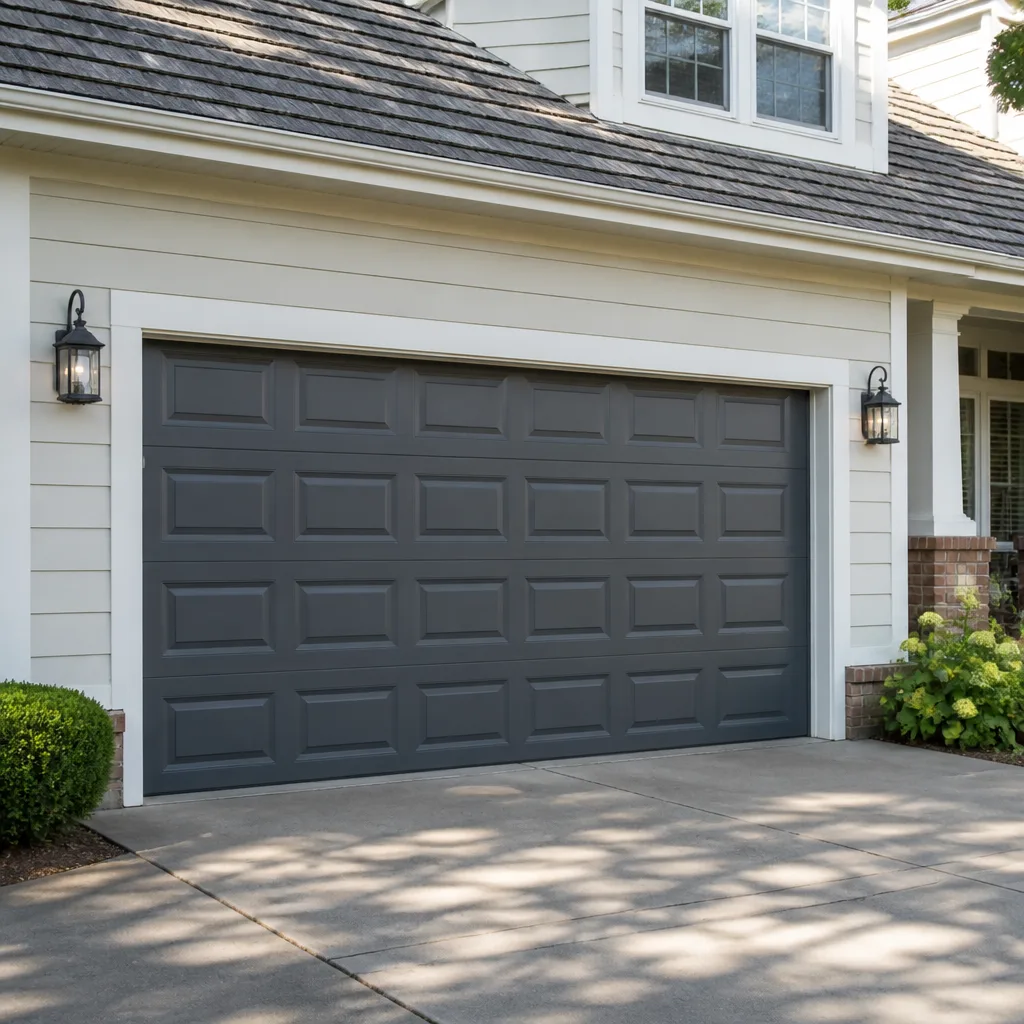 Raised-panel steel
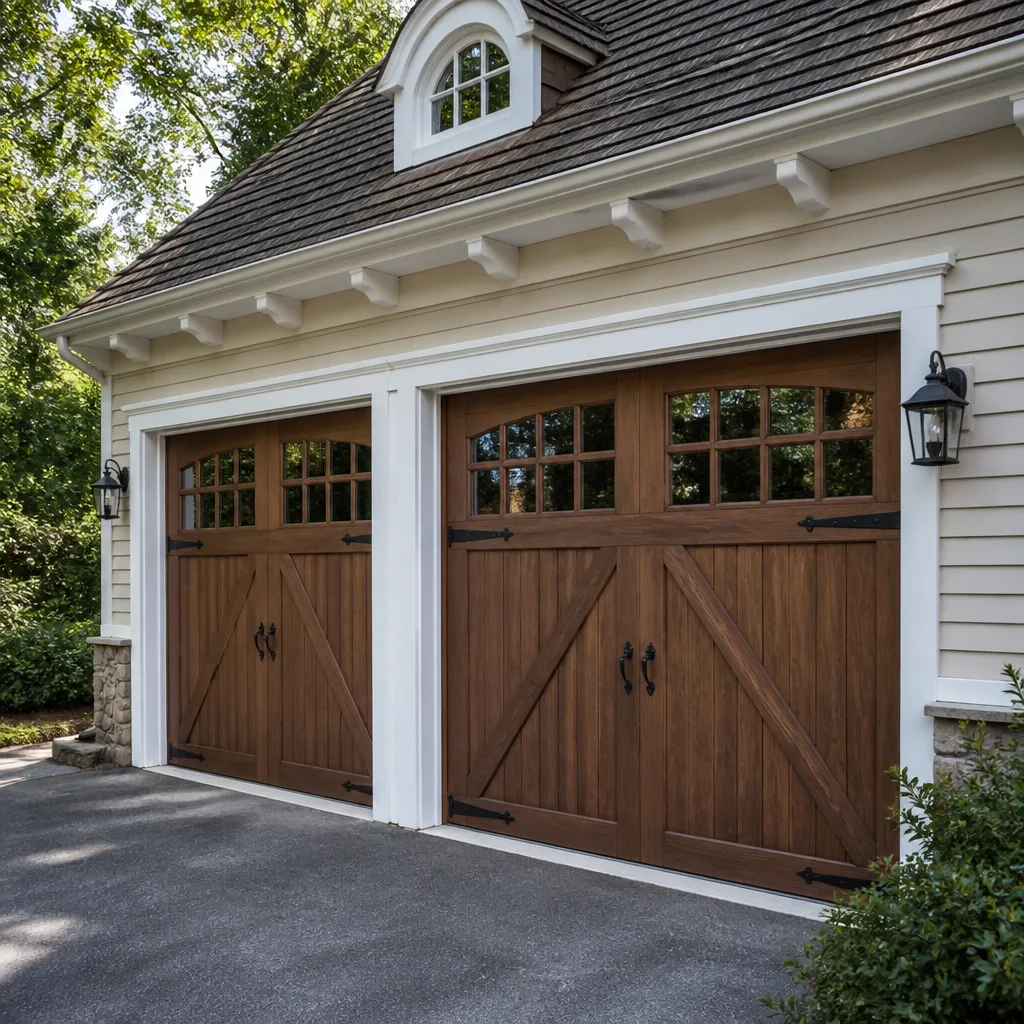 Carriage house
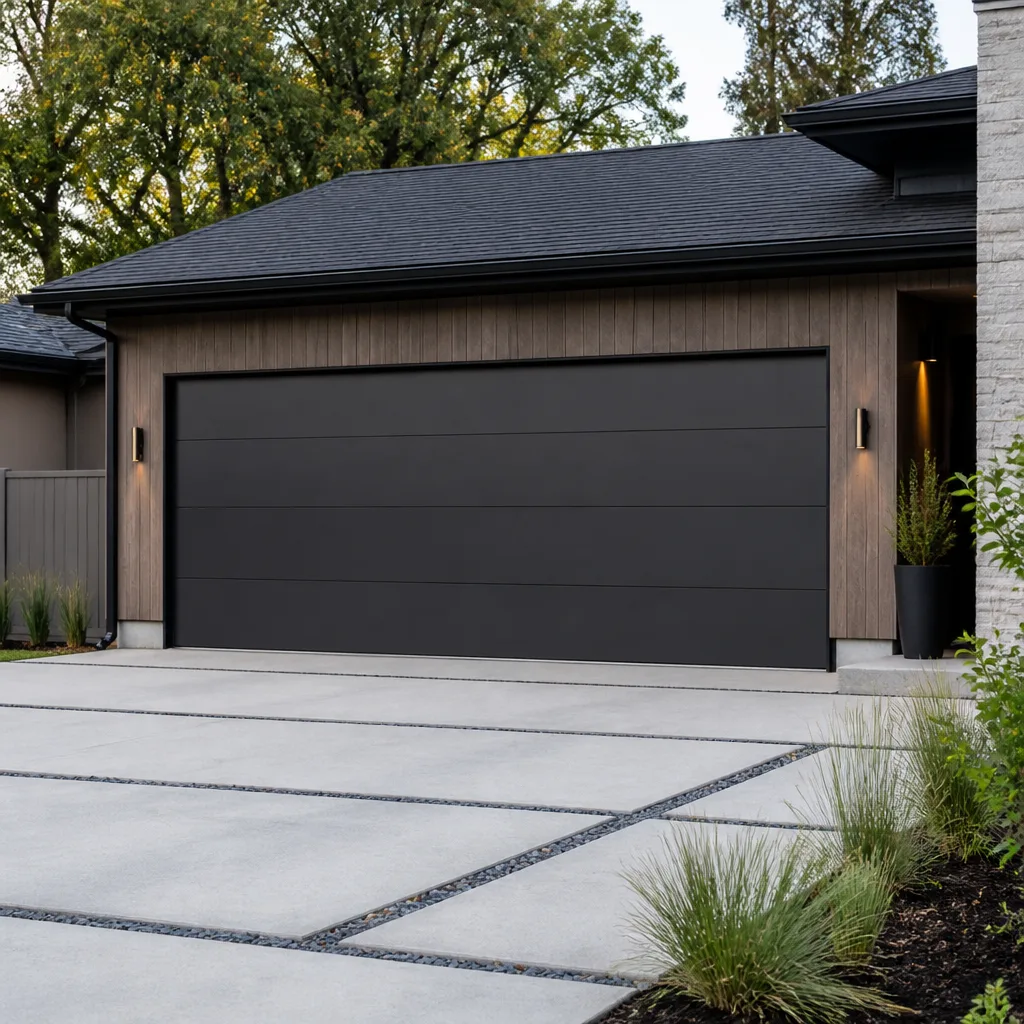 Modern flush
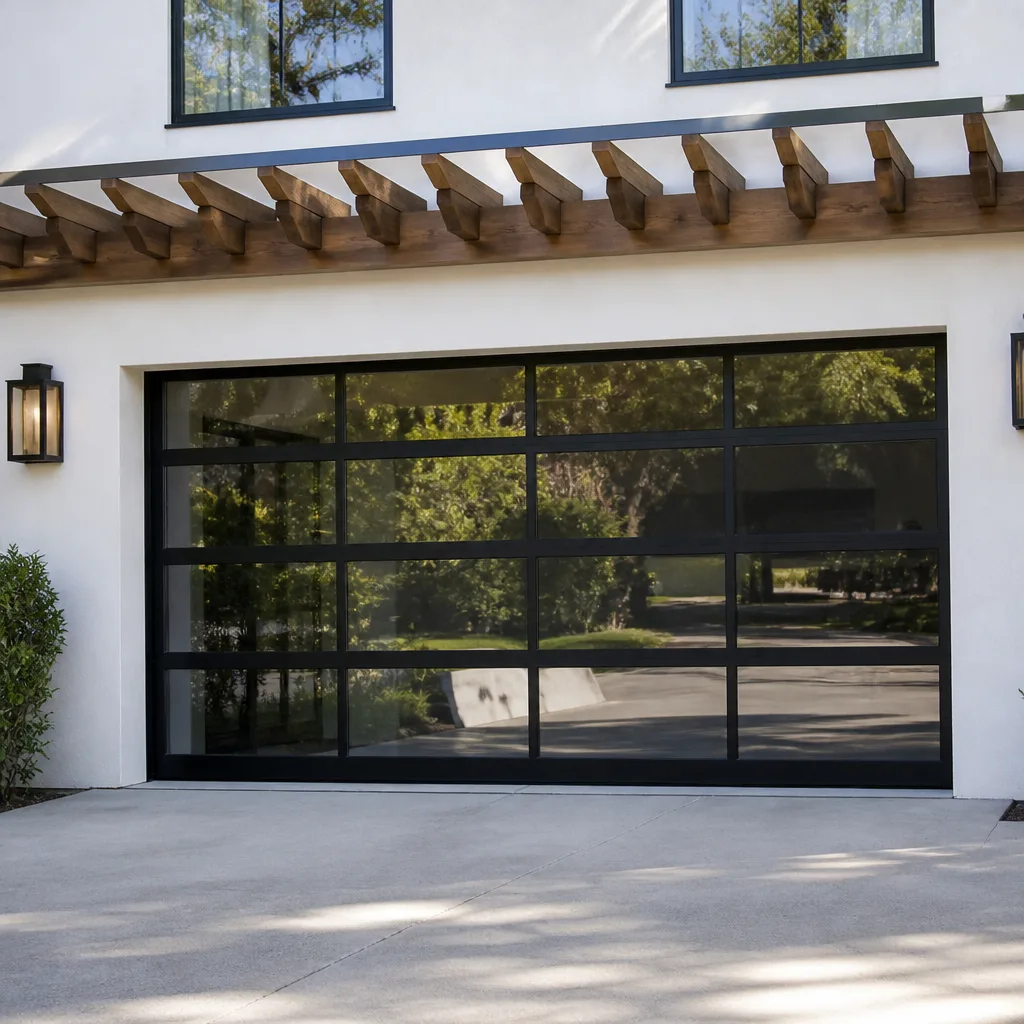 Full-view glass
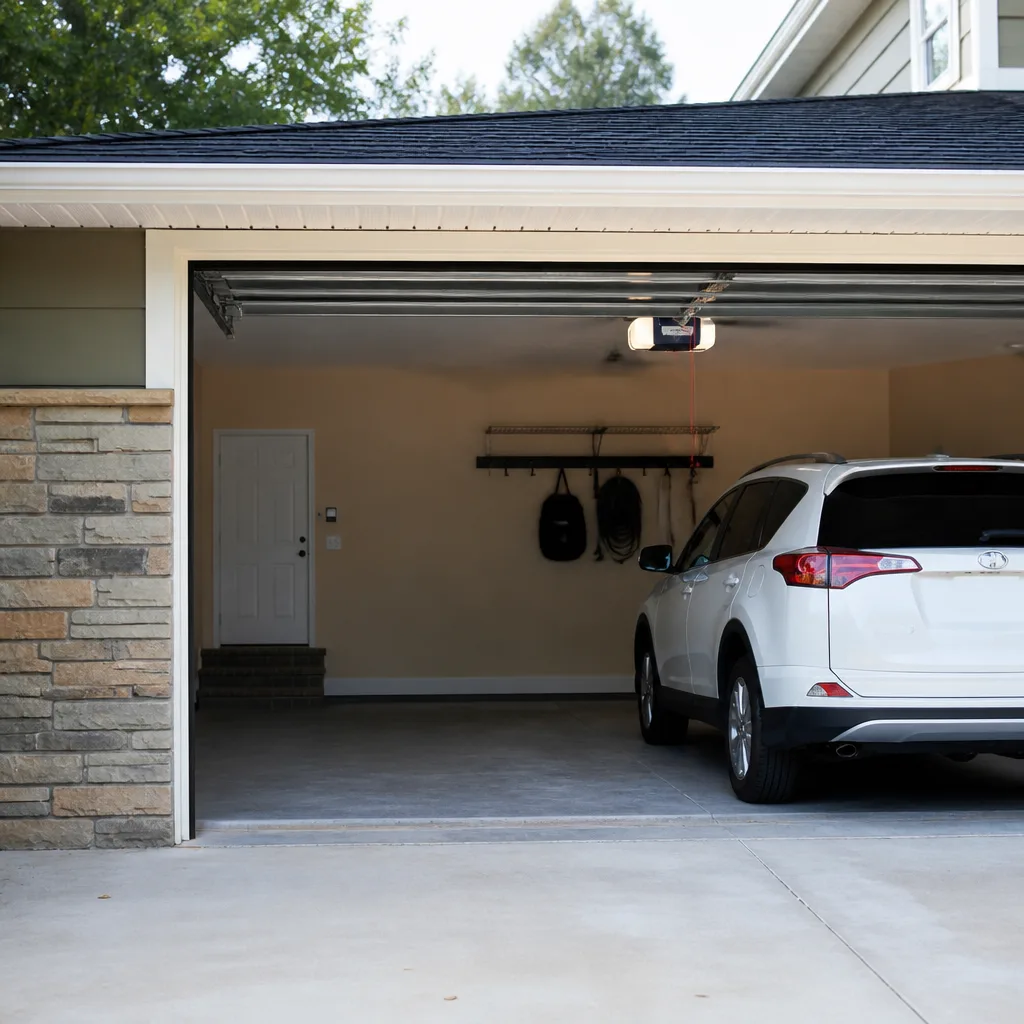 LiftMaster openers
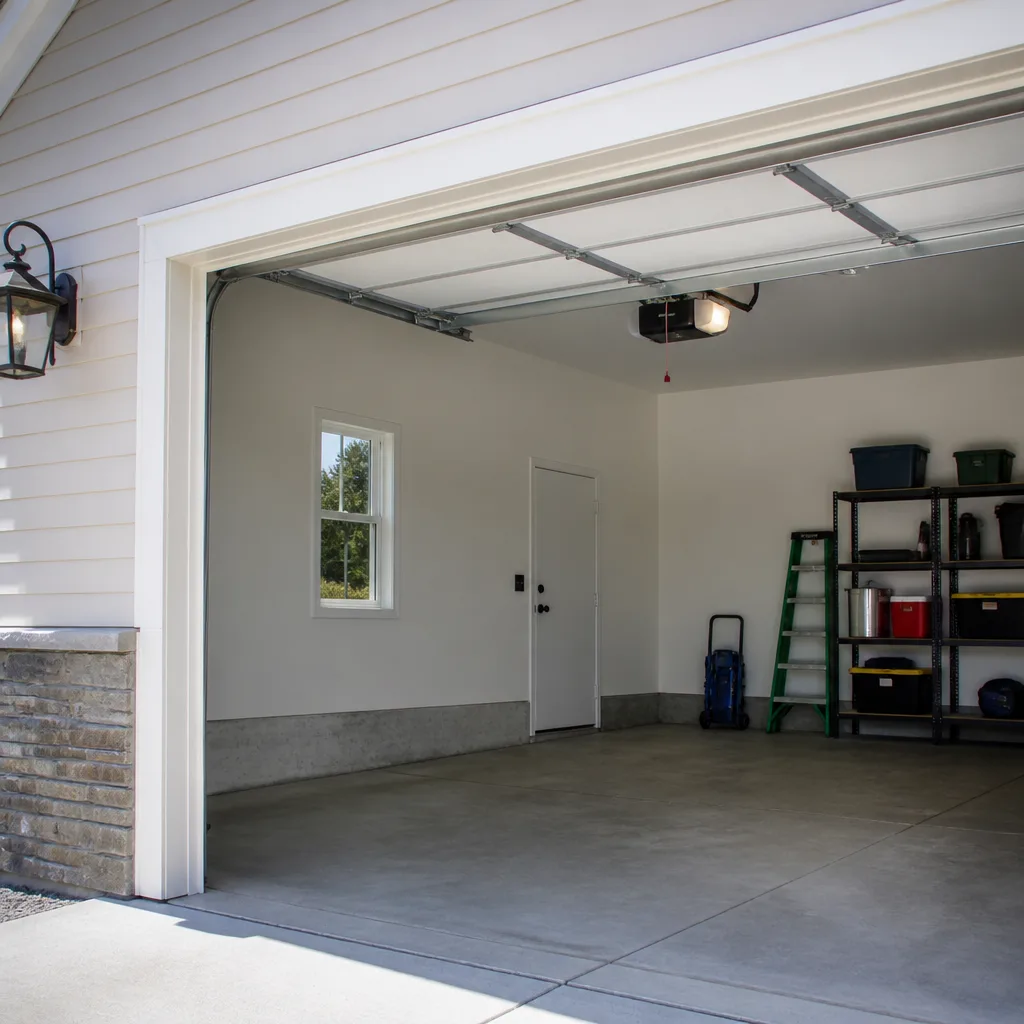 Chamberlain openers
Full 25-point door and opener safety check with every visit - springs, cables, rollers, tracks, and your LiftMaster or Chamberlain opener included
You get a price before we start. It does not change when the pro arrives.
Get your free estimateGarage Door Emergency Preparedness Guide for Brockton Homes
When a garage door fails with a car trapped inside at 7 a.m. on a weekday, the first mistake most homeowners make is pulling the emergency release cord without checking cable tension first. On a door with a broken spring, that cord can let the full weight of the door drop in a second, and the damage or injury that follows is entirely avoidable. Preparation is what separates a ten-minute problem from a bad morning. This guide walks through the three emergencies we see most often in Brockton, how the manual release actually works, how to secure your home if the door is stuck open, and what to have ready when you call.
Quick Answer
If your garage door fails, don’t force it and don’t pull the emergency release unless the door is fully closed and you’ve confirmed the springs and cables are intact. Secure the opening, keep people and vehicles clear, and call a trained technician. In Brockton, most emergency calls fall into three groups: door won’t open, door won’t close, and door off track. Knowing which one you have tells you what to do in the first ten minutes.
Styles & brands we work with
- Raised-panel steel
- Carriage house
- Modern flush
- Full-view glass
- LiftMaster openers
- Chamberlain openers
Table of Contents
- The Three Brockton Garage Door Emergencies
- Scenario 1: The Door Won’t Open
- Scenario 2: The Door Won’t Close
- Scenario 3: The Door Came Off Track
- The Emergency Release Cord: How It Works and When Not to Use It
- Securing Your Home When the Door Is Stuck Open
- Nor’easters, Ice Storms, and What to Check After a Major Weather Event
- What to Have Ready for a Faster Emergency Call
The Three Brockton Garage Door Emergencies
Garage door emergencies in Brockton follow predictable patterns. The same handful of failure points show up again and again, and they cluster around specific conditions: cold snaps, heavy weather, and the moment a car needs to leave the driveway. If you know the three categories, you’ll recognize yours fast.
- Door won’t open. Usually a broken torsion or extension spring, a snapped cable, or an opener that’s lost its logic after a power surge. The door may lift a few inches and stop, or the opener may hum without moving the door.
- Door won’t close. Often a misaligned safety sensor, a track obstruction, or a limit switch that needs adjusting. This is the security emergency, because an open garage invites attention.
- Door came off track. A bent track, a broken roller, or impact damage. This one is the most dangerous to handle yourself, because a panel under tension can swing or fall.
Brockton’s housing stock makes some of these more common than others. Older garages with heavy wooden doors put more strain on springs than modern insulated steel panels. And the region’s freeze-thaw cycle works on tracks, hinges, and weather seals all winter. If your door is already noisy, binding, or slow, that’s a warning sign worth acting on before it becomes an emergency.
Scenario 1: The Door Won’t Open
A door that won’t open is the most common emergency we hear about in Brockton, and it usually involves a car on the wrong side of it. Here’s how to handle the first ten minutes.
- Stop pressing the button. Repeated attempts stress a struggling opener and can burn out the motor.
- Look at the springs. A torsion spring sits above the door on a center shaft; an extension spring runs along each side. A visible gap in either one means it’s broken. Do not try to lift the door by hand if you see it.
- Check the opener’s light. If it flashes but the door doesn’t move, the safety sensors may be misaligned or the opener may be in lockout. A quick visual check of the sensor eyes at the bottom of the tracks is safe to do.
- If the door is fully closed and you’ve confirmed springs and cables are intact, the manual release can let you operate the door by hand. Read that section below before you pull it.
- Call for service. Spring, cable, and opener failures need a trained technician.
If the motor hums and nothing moves, the problem is often in the opener’s gear or logic board rather than the door itself. Brands like Chamberlain and Genie use different diagnostic codes, which is why brand familiarity matters on an emergency call. Our technicians have up to 15 years of experience working across the major opener brands, so we diagnose by the manual rather than by trial and error.
Scenario 2: The Door Won’t Close
A door that won’t close is a security problem, not just an inconvenience, and it’s the one emergency worth calling about promptly. The good news is that many closing failures have simple causes you can check safely.
- Safety sensors. If the two small lights at the bottom of the tracks aren’t both solid, the sensors are misaligned or blocked. They can be knocked out of aim by a broom, a bike, or a snow shovel.
- Something in the path. A leaf, a piece of gravel, or a stray toy under the door will reverse it. Clear the threshold and try once.
- Track obstruction. Look at the tracks for debris or a bent section. Don’t force the door past a bend.
- Limit setting. If the door stops short or reverses near the floor, the opener’s travel limit needs adjustment. This is a technician job.
- Remote or wall button issue. Test the wall button. If that works and the remote doesn’t, you have a remote or battery problem, not a door problem.
In Brockton winters, a common culprit is ice at the threshold that blocks the door from seating fully. If the door reverses at the bottom on a cold morning, check for ice before assuming mechanical failure. Call (877) 335-4654 if the door won’t close after these checks. Once you’ve confirmed the opener and door are brand-specific like a Clopay or Amarr panel system, we can arrive with the right knowledge in hand.
Scenario 3: The Door Came Off Track
A door that has jumped its track is the emergency that carries the most risk of injury. A garage door can weigh hundreds of pounds, and when it’s off track, the tension in the springs, cables, and panels isn’t distributed the way it was designed to be. Here’s what to do.
- Keep everyone clear of the door. Don’t stand under it, and keep children and pets away.
- Don’t operate the opener. Running the motor on an off-track door can bend panels and twist the tracks further.
- Don’t try to bend the track back or lift the door by hand. The cable tension is unpredictable in this state.
- If a vehicle is trapped inside, leave it. Getting the door under control comes first.
- Call for emergency service. Track and cable repairs need a trained technician with the right tools.
Track alignment problems often show up after an impact, like a vehicle bumping the door or a storm pushing a panel out of line. The fix usually involves re-seating panels, straightening or replacing the track, and checking the rollers. Our technicians handle that work plus the opener side, so you aren’t bounced between two companies. For more on the mechanical side of this repair, see garage door repair in Brockton.
The Emergency Release Cord: How It Works and When Not to Use It
The red emergency release cord disengages the door from the opener so you can move it by hand. It’s the most misunderstood safety feature on a garage door, and used at the wrong moment, it can be dangerous.
The cord works by pulling the trolley away from the opener’s drive mechanism. Once disengaged, the door is only supported by its springs and cables. If a spring is broken, those components aren’t holding the door’s weight evenly, and the door can drop suddenly.
When it’s safe to use
- The door is fully closed and at rest.
- You’ve looked at the springs and cables and neither is broken.
- You’re strong enough to control the door’s weight as you lift it by hand.
When not to use it
- You see a gap in a spring or a slack or snapped cable.
- The door is off track, tilted, or hanging unevenly.
- You’re not sure. When in doubt, leave the cord alone and call.
Re-engaging the door after a manual release is simple once the opener is working, but it needs the door to be in the right position. If the release has been pulled and the door won’t re-engage, that’s a call for a technician. This is the same advice we give when someone asks about garage door opener repair: the release is a tool, not a solution to an underlying problem.
Securing Your Home When the Door Is Stuck Open
A door stuck in the open position is a security gap, and while you wait for service, you can close that gap safely with a few practical steps. None of these are permanent fixes; they’re interim measures that protect the opening.
- Park a vehicle inside or at the opening if you can do so without blocking the door’s travel or standing under it.
- Use a sturdy brace. A heavy board or a piece of furniture placed against the door’s bottom rail, on the inside, can slow someone who tries to lift it manually. Never rely on a lightweight prop.
- Check the door’s lock bar. Many doors have a manual slide lock that holds the door in its tracks when the door is closed. If the door is down, engage it.
- Move valuables away from the garage and out of sight from the opening.
- Turn on exterior lighting around the garage door.
- Keep the interior door to your home locked, since that’s the actual boundary of your living space.
Don’t tape, brace, or prop the door by wedging something into the track or hanging weight from a panel. Those tactics can bend the door or create a fall hazard. Secure the opening and let a technician do the structural work.
Nor’easters, Ice Storms, and What to Check After a Major Weather Event
Weather is the single biggest driver of emergency garage door calls in Brockton. Nor’easters and ice storms stress the door, the tracks, and the opener in ways that show up after the storm, not during it. Winter conditions bring ice at the threshold, wind-driven debris against panels, and the freeze-thaw cycle that loosens fasteners.
After a major weather event, do a walk-around inspection of the door. Look at these five points:
- Panels. Check for dents, cracks, or panels pushed out of line. Even a small dent can let water in and start corrosion.
- Tracks. Look at the alignment of the tracks along each side. Debris or a bent section will show up as an uneven gap.
- Bottom seal. The weather seal should sit flat against the floor. If it’s cracked, frozen, or loose, it won’t keep out water or cold.
- Springs and cables. A visual check for gaps, slack, or rust. If anything looks off, don’t operate the door.
- The opener. Test the safety sensors and a full up-and-down cycle. If the door reverses, stops short, or grinds, that’s a sign.
Ice at the threshold is worth handling before it becomes a mechanical problem. Keep the sealing edge clear, and never chip at ice with a metal tool against the door or track. If a panel or the track is bent from wind-blown debris, call a technician before operating the door. For more on spring and cable checks, see garage door spring repair in Brockton.
What to Have Ready for a Faster Emergency Call
The information you have ready when you call is what gets a technician to your door faster with the right parts. When you call, have these details ready:
- The door’s brand. Clopay, Amarr, Wayne Dalton, Chamberlain, Genie, LiftMaster, Craftsman, and Raynor are the brands we’re equipped to service. Knowing yours helps us plan the parts.
- The door’s type. Sectional, single-panel, wooden, steel, or insulated. Note if it has windows or a specific panel style.
- The opener’s brand and model, plus the approximate age if you know it. Check the motor housing or the wall button.
- What the door is doing. Won’t open, won’t close, reverses, off track, or makes a specific noise. “It hums but doesn’t move” points to a different repair than “it went up crooked.”
- The year the home was built and whether the garage has been modified. Older doors in Brockton garages often have been rebuilt or replaced with mixed components.
- Whether anyone is trapped or a vehicle is blocked. Safety concerns get first priority.
Emergency service is a core part of what we do, and it’s a genuine response to a real safety problem. Emergency response, not emergency pricing, is how we approach it. Whatever the door brand, we’re equipped to work on it. When you’re ready, call (877) 335-4654.
Common Mistakes to Avoid
- Pulling the release cord on a door with a broken spring. The door can drop fast and fall on whatever is under it. Check the springs first, every time.
- Forcing a stuck door with the opener or by hand. Grinding the motor or hauling on a panel can turn a single-part repair into a full replacement. Stop, secure, and call.
- Ignoring a door that’s “a little noisy.” Grinding or squealing is often the early sign of a failing roller, hinge, or spring. In Brockton winters, that noise is worth acting on before a cold snap ends the door’s life.
- Leaving a stuck-open garage unattended. An open garage is a security gap. Brace the door, move valuables, and get the door closed as soon as it can be done safely.
- Letting debris or ice build up under the door. Small obstructions cause sensor trips, uneven closing, and seal damage. Sweep the threshold after storms.
- Lubricating the tracks. A common mistake. Rollers and hinges take lubrication; the tracks themselves should stay clean and dry. Greased tracks collect dirt and make the door jerky.
- Calling for emergency service without the door’s brand and symptoms. Having that information ready saves a second call and gets the right parts moving sooner.
See the difference
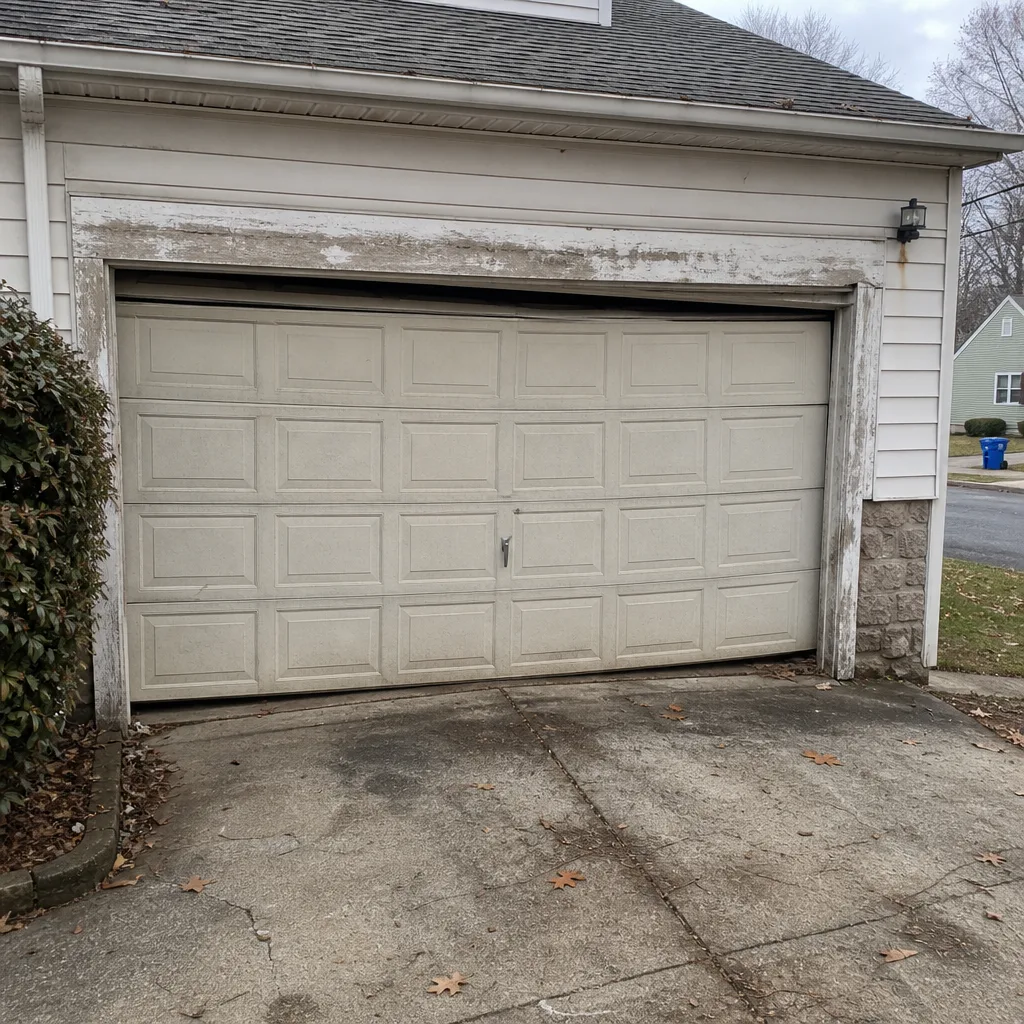 Before
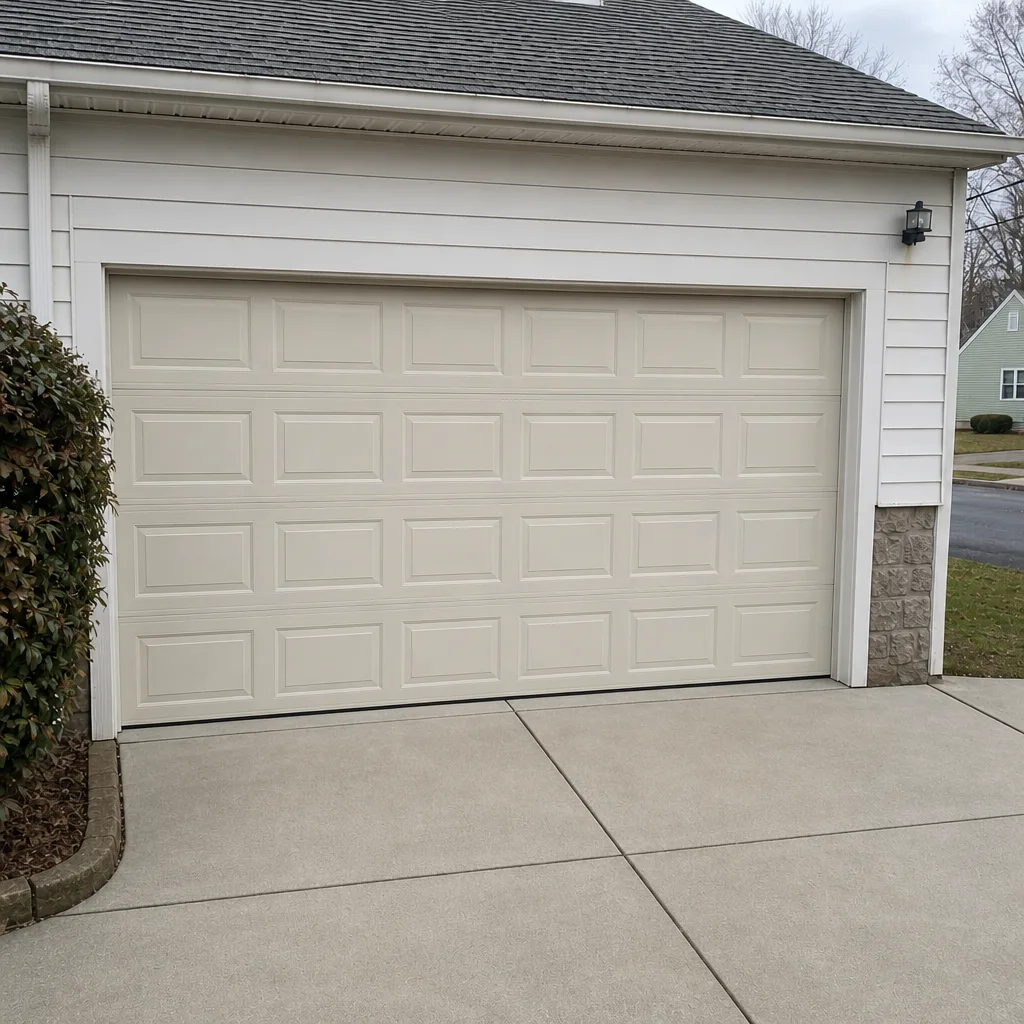 After
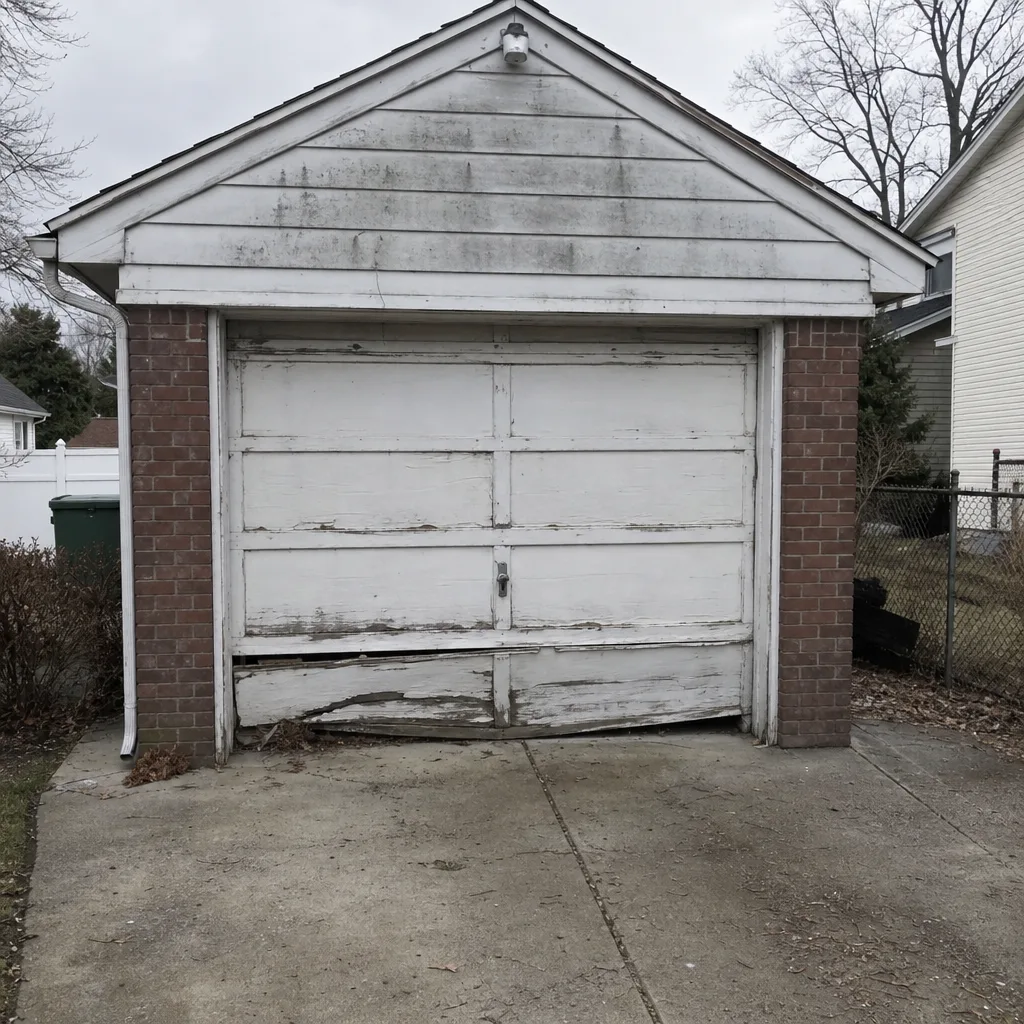 Before
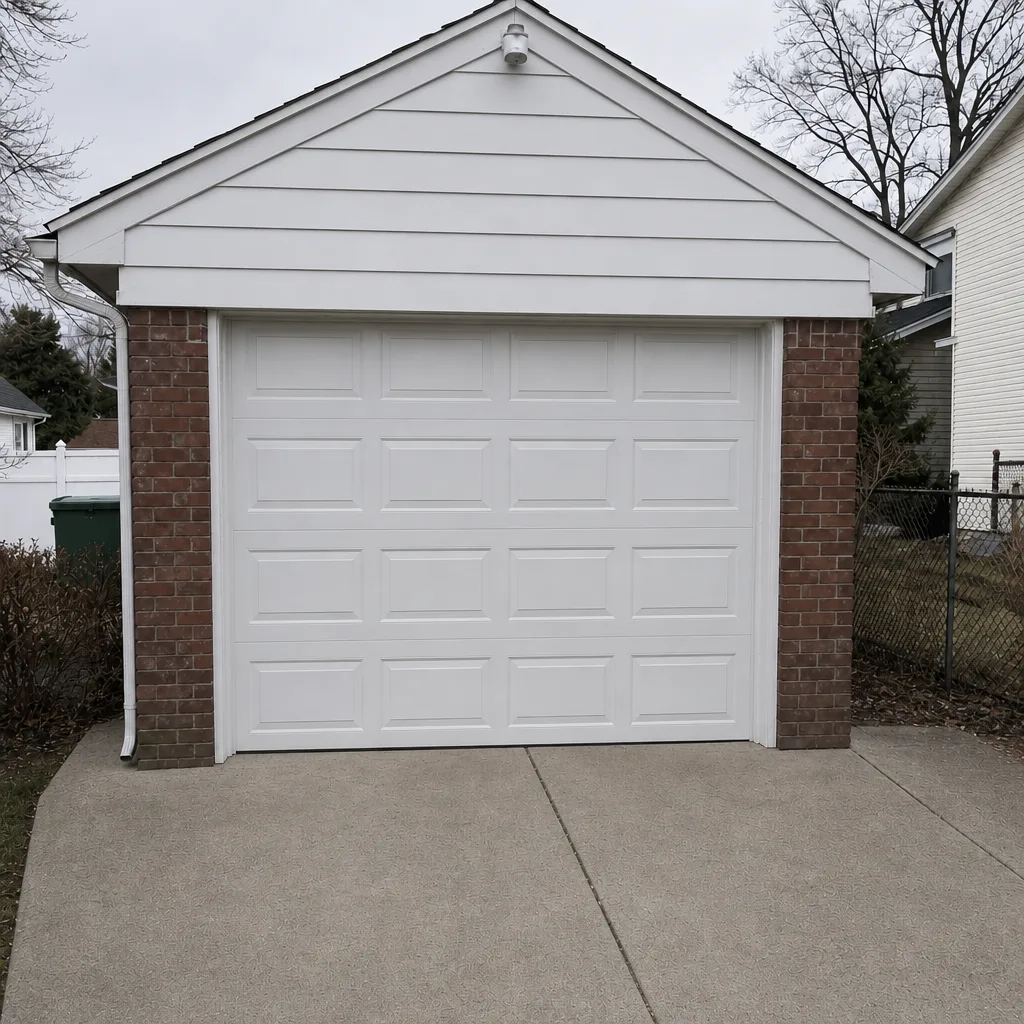 After
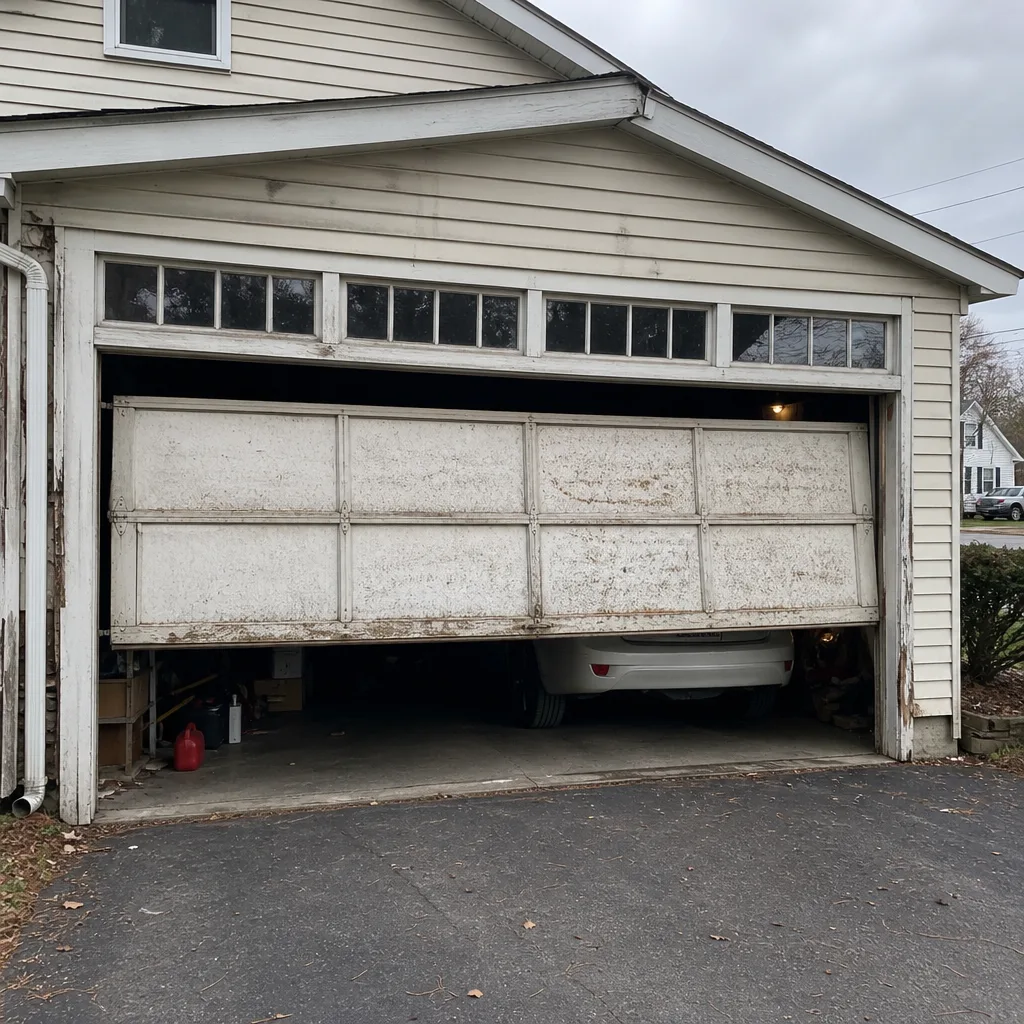 Before
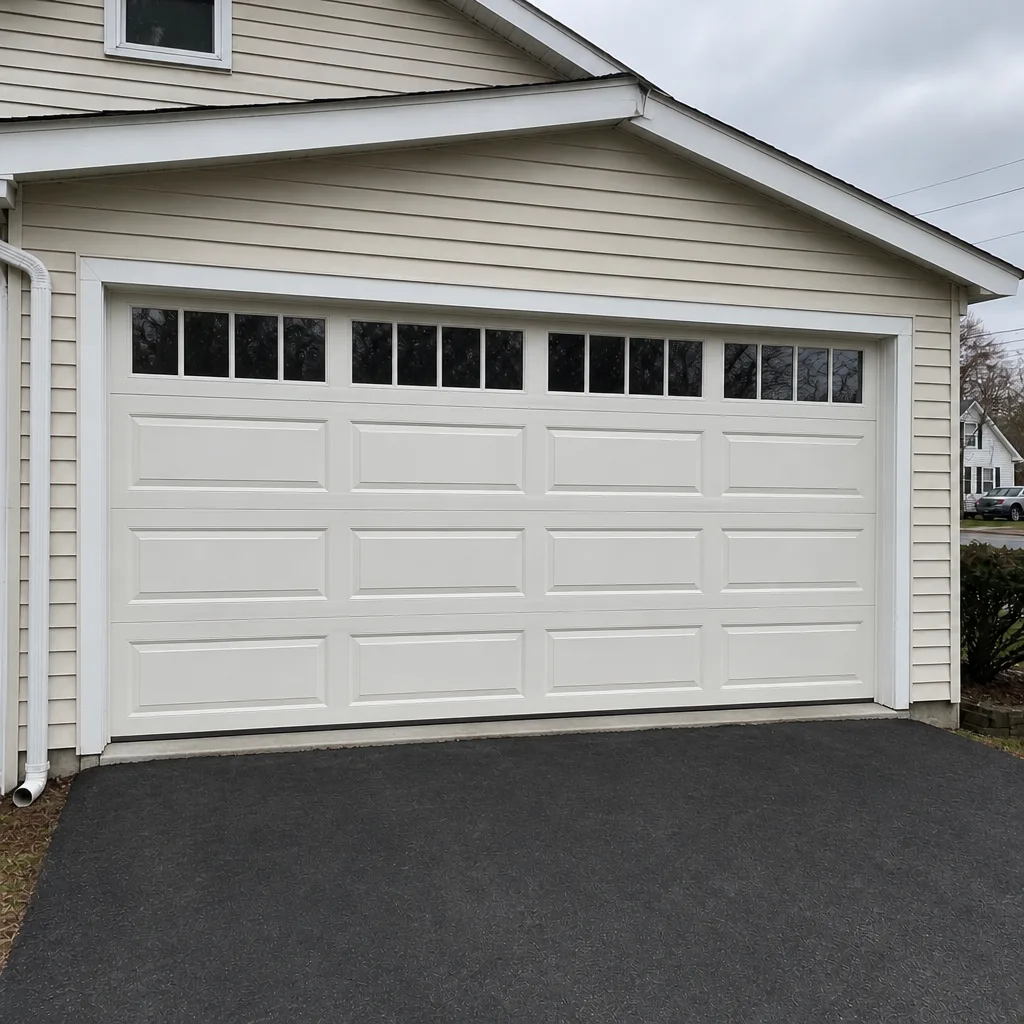 After
When to Call a Professional
Some garage door problems are genuinely safe to check yourself: a misaligned sensor, a remote battery, an obstruction under the door. But any issue involving the springs, cables, or a door that’s off track needs a trained technician. These are the parts under the highest tension and the ones most likely to cause injury. If the door won’t stay closed, if it’s hanging crooked, if you hear a loud crack, or if a panel has come loose after a storm, don’t try to fix it yourself. Spring repair is one of the most dangerous and technically demanding jobs on a garage door, and it’s also one of the most commonly mismanaged by generalists. If you’re unsure whether your problem qualifies as an emergency, call and describe it. Brockton Garage Door Repair Co offers free estimates in Brockton and emergency garage door service, and we can help you sort out the safe path forward. Call (877) 335-4654.
Frequently Asked Questions
We’re closed Saturday and open Sunday through Friday, 7am to 7pm. If your door fails on a Saturday, call and we’ll book you for Sunday or the next available slot. In the meantime, secure the opening and keep people clear of a door with a broken spring, cable, or track.
Stop pressing the opener button and check whether a spring is visibly broken before you do anything else. If a spring is broken or a cable is slack, don’t use the manual release; a door on a broken spring can drop unexpectedly. If the door is closed and the springs look intact, the release can let you operate it by hand, but many drivers are better off calling for same-day emergency service and arranging another way in. Call (877) 335-4654 for an exact quote.
Emergency service pricing depends on the specific failure, so the most accurate answer comes from a technician after the inspection. We work with a written estimate and quote the price before any work starts, so you’re not surprised by the final bill. The written estimate sets the final price, and we walk you through it before we touch the door. Call (877) 335-4654 for a free estimate.
Our technicians are equipped to service LiftMaster, Chamberlain, Genie, Clopay, Amarr, Wayne Dalton, Craftsman, and Raynor doors and openers. That brand range is why we can diagnose by the manual on the brand you already have, rather than pushing a new system or turning you away. If your brand isn’t on that list, call and describe it, and we’ll let you know what we can do.
Brace the door on the inside, move valuables out of sight, and keep the interior door to your home locked. Don’t hang weight from a panel or wedge anything into the track, since that can bend the door or become a fall hazard. Call (877) 335-4654 and we’ll get a technician out as soon as we can.
Yes. Ice at the threshold can block the door from seating fully, trip the safety sensors, and damage the bottom seal over time. Keep the sealing edge clear after storms and avoid chipping at ice with a metal tool. If the door has been reversing at the bottom all season, have the seal and the opener’s limit settings checked.
The Bottom Line
A garage door emergency in Brockton is easier to handle when you know what to do in the first ten minutes. The priorities are simple: keep people clear of a door with broken springs, cables, or track damage; don’t pull the release on a door under tension; secure the opening if the door is stuck; and call with the door’s brand, symptoms, and any safety concerns ready. Storm damage and cold-weather failures are a regular part of life here, so a quick inspection after every major weather event is worth the effort. When your garage door is ready for repair or replacement, call (877) 335-4654 for a free estimate.
Our team works on the brand you already have, from LiftMaster and Chamberlain to Clopay and Amarr, and our technicians have up to 15 years of experience with both doors and openers. Whether you need garage door repair, garage door opener repair, or emergency service, you can reach Brockton Garage Door Repair Co for a free estimate.
Written by the team at Brockton Garage Door Repair Co.