Last updated November 22, 2026
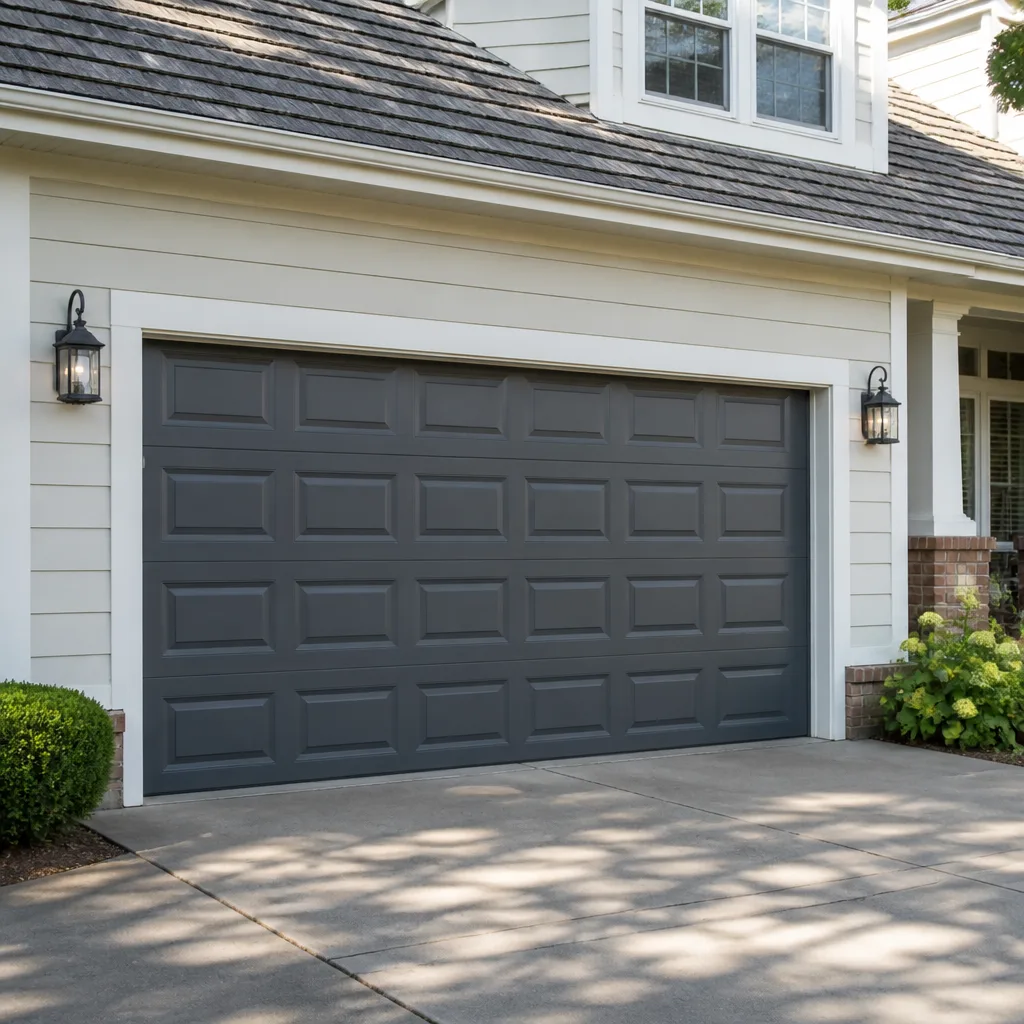 Raised-panel steel
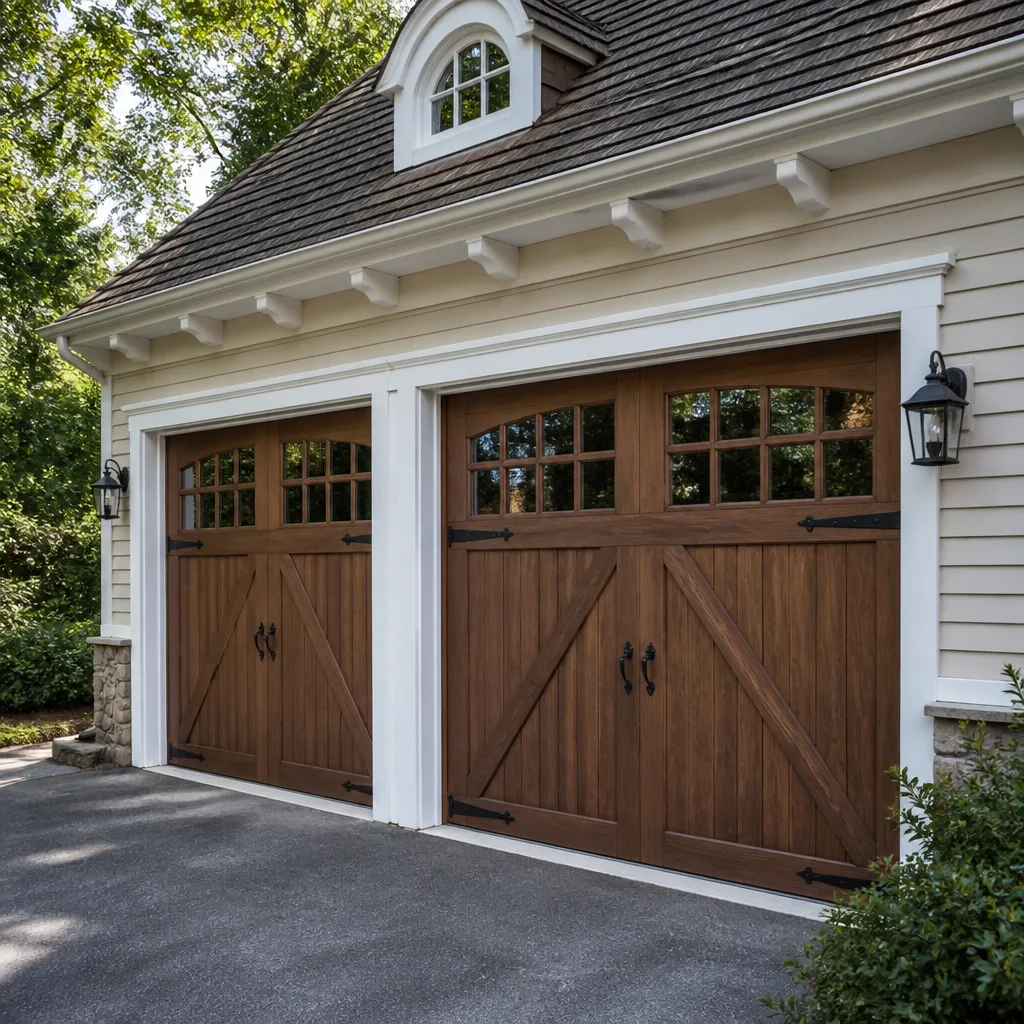 Carriage house
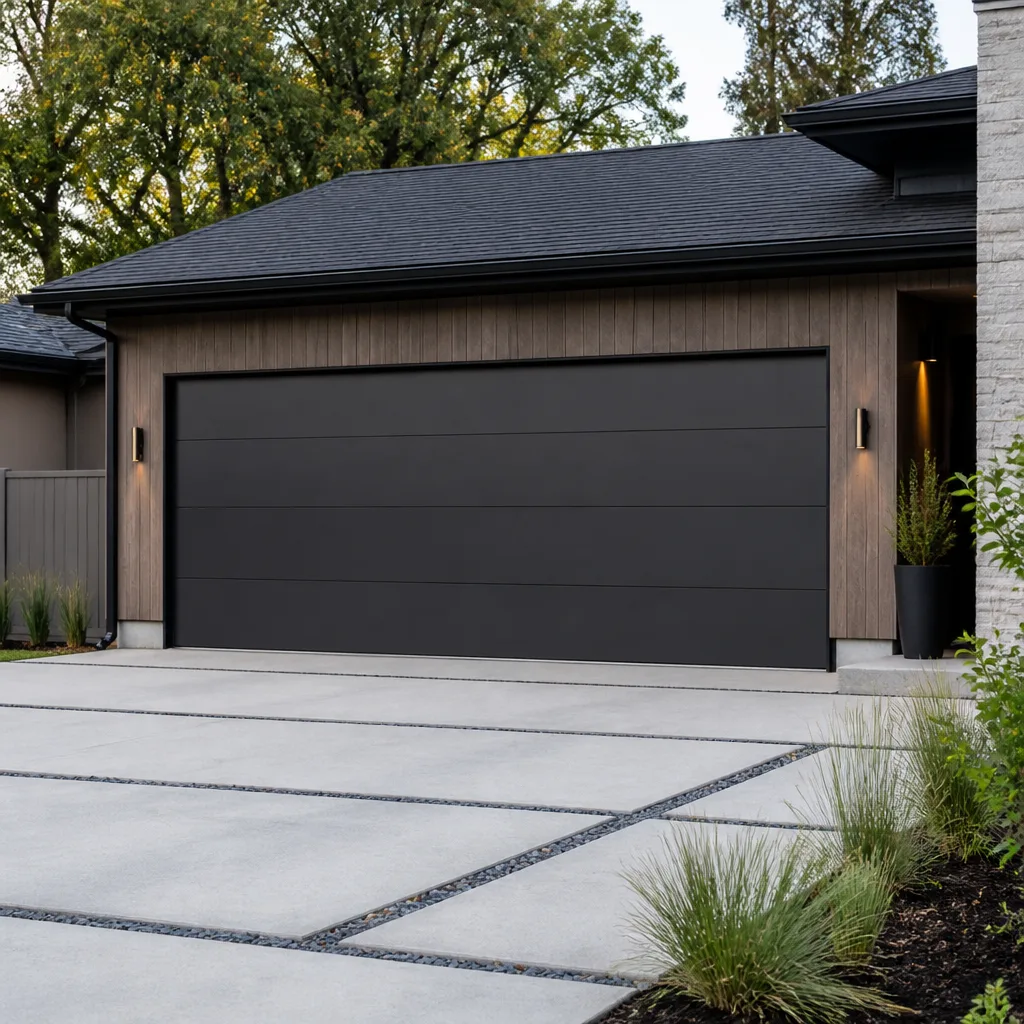 Modern flush
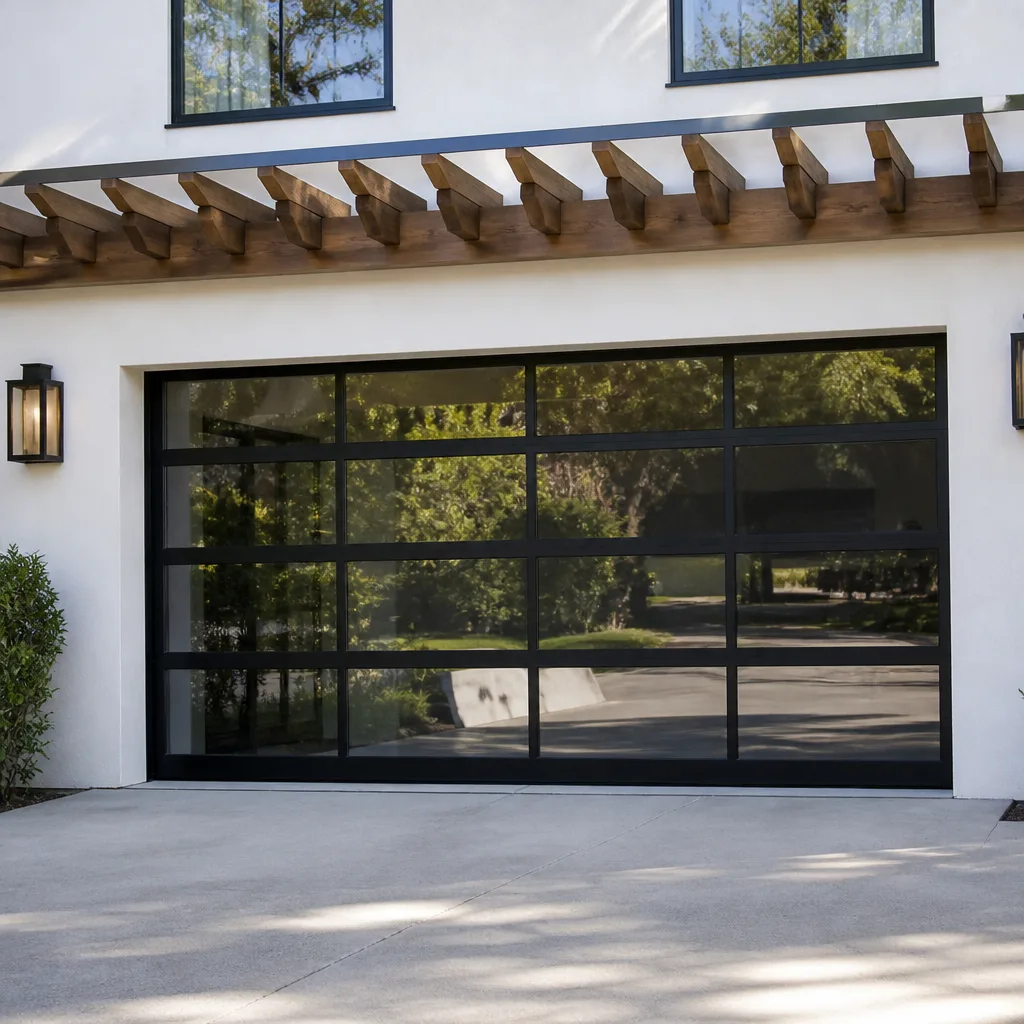 Full-view glass
 LiftMaster openers
 Chamberlain openers
Full 25-point door and opener safety check with every visit - springs, cables, rollers, tracks, and your LiftMaster or Chamberlain opener included
You get a price before we start. It does not change when the pro arrives.
Get your free estimateGarage Door Repair Maintenance Checklist for Brockton Homeowners
The most skipped item on every generic maintenance list is also the one that causes the most quiet damage in Brockton garages: lubricating the bottom seal. Most national checklists put it near the bottom, if they mention it at all, and most homeowners never touch it. Then a nor’easter rolls through, water pools under the door, and the seal that should have kept it out has been dry and cracked for two winters. This guide is organized around what actually breaks first in Brockton’s climate, not what looks tidy on paper. You’ll get a season-by-season checklist, the corrosion points that fail fastest, and a clear line between what you can safely inspect and what needs a trained technician.
Quick Answer
A garage door maintenance checklist for Brockton should follow the local weather calendar: spring for hardware and balance checks after winter, summer for seal and lubrication work before humidity peaks, fall for weatherstripping and track alignment ahead of the first freeze, and winter for keeping road-salt spray off the moving parts. Anything involving springs, cables under tension, or the opener’s electrical components belongs with a professional. The rest you can inspect yourself in about 15 minutes a month.
Styles & brands we work with
- Raised-panel steel
- Carriage house
- Modern flush
- Full-view glass
- LiftMaster openers
- Chamberlain openers
Table of Contents
- Why a Brockton Calendar Beats a Generic Checklist
- Spring Checklist: What Winter Left Behind
- Summer Checklist: Seals, Lubrication, and Humidity
- Fall Checklist: Beating the First Freeze
- Winter Checklist: Road Salt and Cold-Weather Stress
- Which Hardware Corrodes Fastest in Brockton (and What to Use)
- What You Can Safely Inspect Yourself
- Bottom Seal: Failing vs. Just Dirty
- How Often Each Task Really Needs Doing
Why a Brockton Calendar Beats a Generic Checklist
Brockton sits in a climate with real seasonal swing: humid summers that swell wood and work rubber seals hard, and winters where road salt from plowed streets gets sprayed across the lower panels and hardware every time a car pulls in. That combination stresses a garage door differently than a mild climate would. A checklist written for a national audience tends to spread tasks evenly across the year and treat every item as equally urgent, which is why so many homeowners follow one faithfully and still end up with a spring that snaps or a seal that leaks.
Timing is the part most guides get wrong. A door that gets lubricated in June performs fine until February, when the cold thickens whatever grease is left and the opener starts straining. A seal that gets checked in spring passes, then dries out through a hot August and fails the first time a nor’easter pushes water against it in October. The order matters as much as the tasks themselves.
We work on the brand you already have, whether that’s a Raynor door installed decades ago or a LiftMaster opener added more recently, and the maintenance schedule shifts a little depending on what’s on your garage. Steel doors wear seals differently than wood, and older openers are less forgiving of a stiff track. Still, the seasonal outline below holds for most Brockton homes.
One more thing before the checklist: your garage door is your home’s largest moving part. It cycles hundreds of times a year, carries real weight on two springs, and runs on a track that has to stay aligned for all of it to work safely. Treating maintenance as an annual afterthought is how small issues turn into emergency calls.
Spring Checklist: What Winter Left Behind
Spring in Brockton means undoing winter’s damage before the humid months set in. The freeze-thaw cycle pushes on concrete, weatherstripping, and metal hardware all season, and by the time the ground thaws, a few things need attention. Run this list once the last hard freeze has passed:
- Wash the door panels with mild soap and water to remove road salt film. Salt left sitting on painted steel through the spring accelerates rust at the panel seams and the bottom edge.
- Inspect the bottom seal for cracks, hardening, or gaps where it meets the floor. This is the item most generic lists skip and the one most likely to have failed over winter.
- Test the door balance by hand with the opener disconnected: lift the door to about waist height and let go. A balanced door stays put. One that drops or rises on its own has a spring or tension problem for a technician.
- Lubricate the hinges, rollers, and track with a silicone-based spray, not heavy grease that will collect grit through the summer.
- Check the photo-eye safety sensors at the base of the track. Wipe them clean and confirm the door reverses when you pass a hand through the beam.
- Look at the springs above the door for visible gaps or a stretched appearance. Don’t touch them. Just note what you see for the technician if something looks off.
This is also the season to schedule any garage door repair you’ve been putting off, because the busy stretch for garage door work in Brockton tends to follow the first warm weeks when homeowners finally notice what winter did.
Summer Checklist: Seals, Lubrication, and Humidity
Humidity is the summer story in Brockton, and it does two things to a garage door. It works on rubber seals until they stiffen and crack, and it swells wood components on older doors until tracks and frames bind. Summer is when you do the lubrication work that will carry you into fall, and when you give the seal a hard look before the wet season.
- Reapply silicone lubricant to hinges, rollers, and the torsion bar bearings (not the springs themselves unless the manufacturer calls for it). A light coat in early summer holds through the humid months better than a heavy one.
- Clean and condition the bottom seal with a silicone spray designed for rubber. This keeps it pliable through the heat and is the single easiest thing you can do to prevent water intrusion later.
- Check the weatherstripping along the sides and top of the door frame. Gaps here let in both water and pests, and they widen as the material dries.
- Test the opener’s auto-reverse by placing a roll of paper towels under the door and closing it. The door should reverse on contact. If it doesn’t, stop using it and call for garage door opener repair.
- Wipe down the opener housing and check the manual release works smoothly, especially if the opener is an older Genie or Chamberlain model that’s been in place a while.
If you notice the door getting louder or the opener straining during the summer, that’s often a lubrication problem you can catch early. Left alone, a dry track and stiff rollers put extra load on the opener motor, which is what leads to failures that seem sudden but weren’t.
Fall Checklist: Beating the First Freeze
Fall is the most important season for garage door maintenance in Brockton, because everything you skip now gets tested by the first hard freeze. Cold tightens metal, stiffens rubber, and turns a small gap in the weatherstripping into a draft that lets cold air and moisture into the garage all winter.
- Replace a worn bottom seal now, not in January. A seal that’s already cracking in October will be rigid and useless by December. This is the repair that prevents the most winter water damage.
- Inspect and replace side and top weatherstripping if it’s torn, compressed, or pulling away from the frame.
- Lubricate all moving parts one more time before the cold sets in, using a lubricant rated for low temperatures rather than a standard grease that thickens below freezing.
- Tighten the track bolts and hinges with a socket wrench. Vibration over the summer loosens hardware, and a loose track is a door that binds in the cold.
- Check the door’s alignment by watching the gap between the door and the frame as it opens and closes. An uneven gap means the track has shifted and needs adjustment.
- Test the opener’s force settings if your model allows it. Cold weather increases resistance, and an opener set too tight will reverse or stall on a cold morning.
If the door has been making noise or running unevenly through the summer, fall is the time to have it looked at. Our technicians have up to 15 years of experience diagnosing exactly this kind of slow decline before it becomes a winter emergency.
Winter Checklist: Road Salt and Cold-Weather Stress
Winter in Brockton is hard on the lower half of a garage door. Plowed streets spray a mix of road salt and grit against the bottom panels and the hardware nearest the floor every time a car pulls in or out. Salt doesn’t just look bad. It eats into painted steel, pits the hinges and bottom brackets, and speeds up corrosion on any exposed metal.
- Rinse the bottom panels and lower hardware with plain water when the temperature allows. A quick rinse after a snowy stretch removes salt before it can sit and work into the seams.
- Apply a corrosion-inhibiting spray to the hinges, bottom brackets, and roller stems. Standard WD-40 is a water displacer, not a long-term lubricant or corrosion protectant, so use a product designed for metal protection instead.
- Keep the bottom seal clear of ice so the door doesn’t force its way through a frozen chunk and tear the seal. A stiff brush along the threshold helps.
- Watch for the door reversing on its own on cold mornings. That’s often the opener’s safety sensor reacting to resistance from a stiff seal or a track that’s contracted in the cold.
- Don’t force a frozen door. If the door won’t budge, the opener is doing damage every time it tries. Disconnect it and call.
Winter is also emergency season. A door that won’t close in January is a security problem that can’t wait, which is why emergency garage door service is a core part of what we do, not an add-on. If something fails in the cold, call (877) 335-4654 and we’ll get a technician out.
Which Hardware Corrodes Fastest in Brockton (and What to Use)
The hardware closest to the floor corrodes first. Bottom brackets, the lowest hinges, the roller stems nearest the ground, and the bottom panel seams all take the brunt of road salt spray, and they fail faster than the components higher up the door. If you’ve ever wondered why the bottom of a door rusts while the top looks fine, this is why.
What you use on those points matters as much as how often. A few things to know:
- Skip standard WD-40 as a lubricant. It’s a water displacer and light solvent, not a long-term lubricant. It’ll loosen a stiff hinge for a week, then leave the metal drier than before. Use a silicone-based or lithium lubricant designed for garage door hardware, and a separate corrosion-inhibiting spray for exposed metal.
- Wipe salt off rather than spraying it into the seams. A damp cloth along the bottom panel edge does more good than a hose blast that pushes salt water into the joints.
- Touch up paint chips on bottom panels promptly. A chip the size of a coin is where rust starts, and by spring it’s a patch. A small bottle of matching touch-up paint kept in the garage makes this a two-minute job.
- Check the bottom brackets for rust through, not just surface rust. Surface rust is cosmetic. A bracket with visible pitting or thinning metal needs replacing before it fails under spring tension.
If you’re not sure whether the corrosion you’re seeing is cosmetic or structural, that’s a good reason to have it looked at. It’s a quick check, and it’s the kind of thing that’s much cheaper to catch early.
What You Can Safely Inspect Yourself
There’s a real line between maintenance you can do and work that belongs with a trained technician. Springs and cables are under high tension, and both can cause serious injury if handled wrong. The safe rule: look, listen, and lubricate. Don’t adjust, loosen, or touch anything that’s holding the door’s weight.
Safe to do yourself:
- Visual inspection of springs for visible gaps or stretching (from a distance, without touching)
- Listening for unusual noise during operation
- Lubricating hinges, rollers, and tracks
- Testing the safety reverse and photo-eye sensors
- Wiping down panels and hardware for salt and dirt
- Checking and replacing the bottom seal
- Testing the door balance by hand with the opener disconnected
Call a professional for:
- Any spring that looks broken, stretched, or has visible gaps
- Cables that look frayed, kinked, or slack
- A door that drops or rises on its own when released
- Track that’s bent, out of alignment, or pulling away from the frame
- Opener issues that persist after a basic reset
- Any door that reverses or stalls without an obvious cause
Spring repair is one of the most dangerous and technically demanding garage door repairs, which is why we handle it as a specialty and recommend nobody attempt it as a DIY project. If you suspect a spring problem, call for garage door spring repair rather than trying to test it further.
Bottom Seal: Failing vs. Just Dirty
A dirty bottom seal and a failing one can look similar from a distance, but they behave differently. A dirty seal is still pliable and sits flush against the floor. A failing seal has lost its flexibility and no longer seals, which is why it’s the item most responsible for water intrusion in Brockton garages after a nor’easter. Here’s how to tell the difference:
- Press it with your thumb. A healthy rubber seal gives and springs back. One that’s hard, brittle, or stays compressed is failing.
- Look for cracks along the fold. Fine surface dirt wipes off. Cracks that run through the material don’t.
- Check for light gaps. Close the door and look from inside the garage along the floor line. Any visible daylight means the seal isn’t doing its job.
- Look for water stains on the floor just inside the door after rain. That’s the seal failing under real conditions, not just looking worn.
- Watch for the seal pulling away from the track at the ends. That’s usually a sign the material has shrunk or the retainer has loosened.
If you’re seeing light gaps or water stains in the fall, replace the seal before winter. It’s one of the cheapest and most effective preventive tasks on the list, and it’s the one most generic guides underplay.
How Often Each Task Really Needs Doing
Manufacturer recommendations tend to be cautious because they’re written to cover liability across every climate. In practice, the real interval depends on how often your door runs and what the weather throws at it. Here’s a realistic schedule for a typical Brockton garage used daily:
- Visual inspection of springs and cables: monthly. It takes 30 seconds and it’s the highest-value habit on this list.
- Lubricating hinges and rollers: every 3 to 6 months, more often if the door runs multiple times a day.
- Testing safety reverse and photo-eyes: monthly. This is a safety system, so don’t skip it.
- Cleaning and conditioning the bottom seal: every 3 months in humid or cold seasons.
- Washing panels and lower hardware for salt: every few weeks through winter.
- Checking weatherstripping: twice a year, spring and fall.
- Tightening track bolts and hinges: twice a year.
- Professional tune-up: once a year is plenty for a well-maintained door, and it’s the check that catches spring and cable wear before it becomes a failure.
If you’d rather not track all of that yourself, an annual visit from a technician covers the items that really matter. It’s also the right time to have the opener and the door checked together, since a problem in one often shows up as strain in the other. Our Brockton Garage Door Repair Co team handles both, so you don’t get bounced between a door company and an opener company when something needs diagnosing.
Common Mistakes to Avoid
- Using standard WD-40 as a long-term lubricant. It loosens things for a week and then leaves metal drier, which speeds up wear on hinges and rollers. Use a silicone or lithium lubricant designed for the job.
- Skipping the bottom seal because it’s not glamorous. It’s the cheapest, quietest way to prevent water damage, and in Brockton it’s the task that pays off most after a fall nor’easter.
- Forcing a frozen or stuck door with the opener. Every cycle the opener strains against a stuck door does damage to the motor and the door. Disconnect and call instead.
- Touching springs or cables “just to check.” Both are under high tension and can cause serious injury. Visual inspection only, from a safe distance.
- Ignoring a door that’s gotten louder. Noise is usually the first sign of a lubrication or alignment problem, and it’s much cheaper to fix before it becomes a broken spring or a stripped opener gear.
- Treating the door and the opener as two separate systems. They work together. A door problem stresses the opener, and an opener problem can damage the door. Have both checked at the same time.
- Following a generic schedule without adjusting for the season. A checklist timed to a mild climate will have you replacing a seal in spring that won’t survive the next winter anyway. Time it to Brockton’s weather.
See the difference
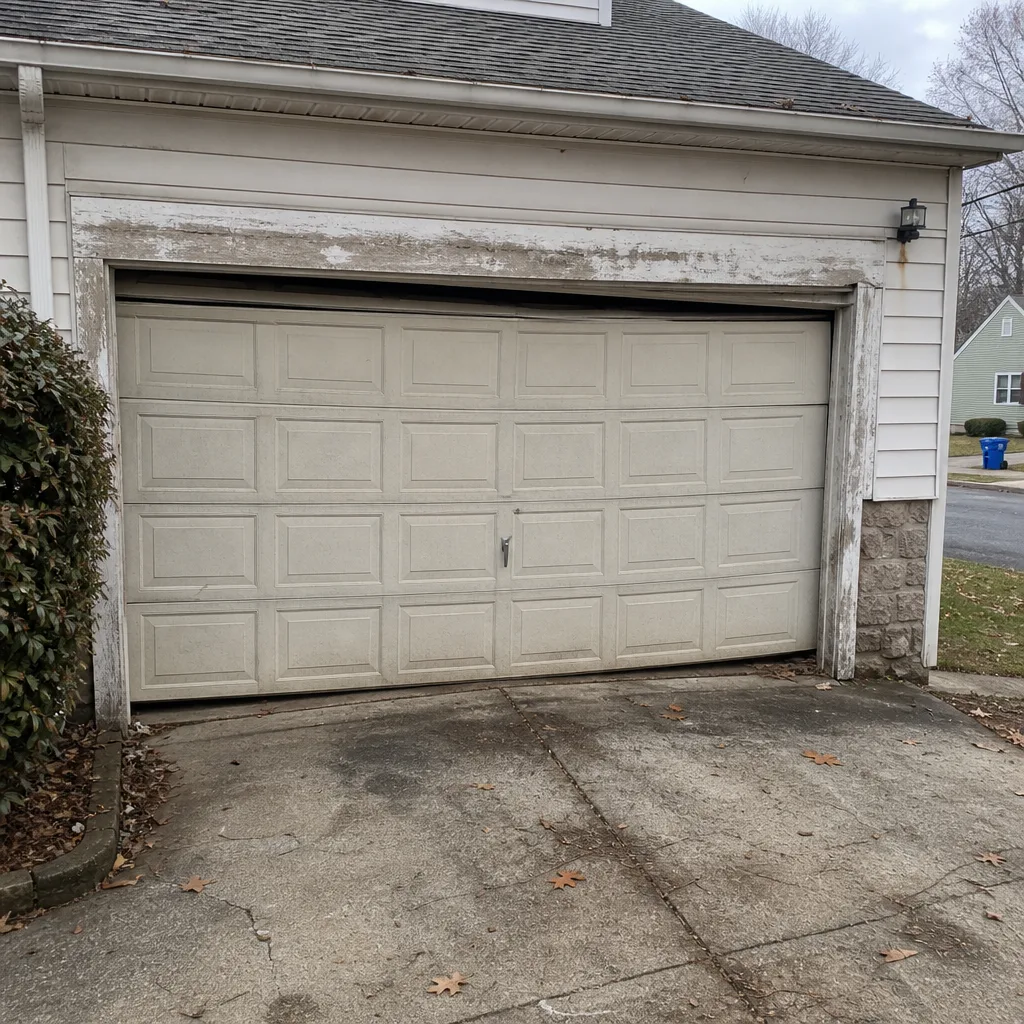 Before
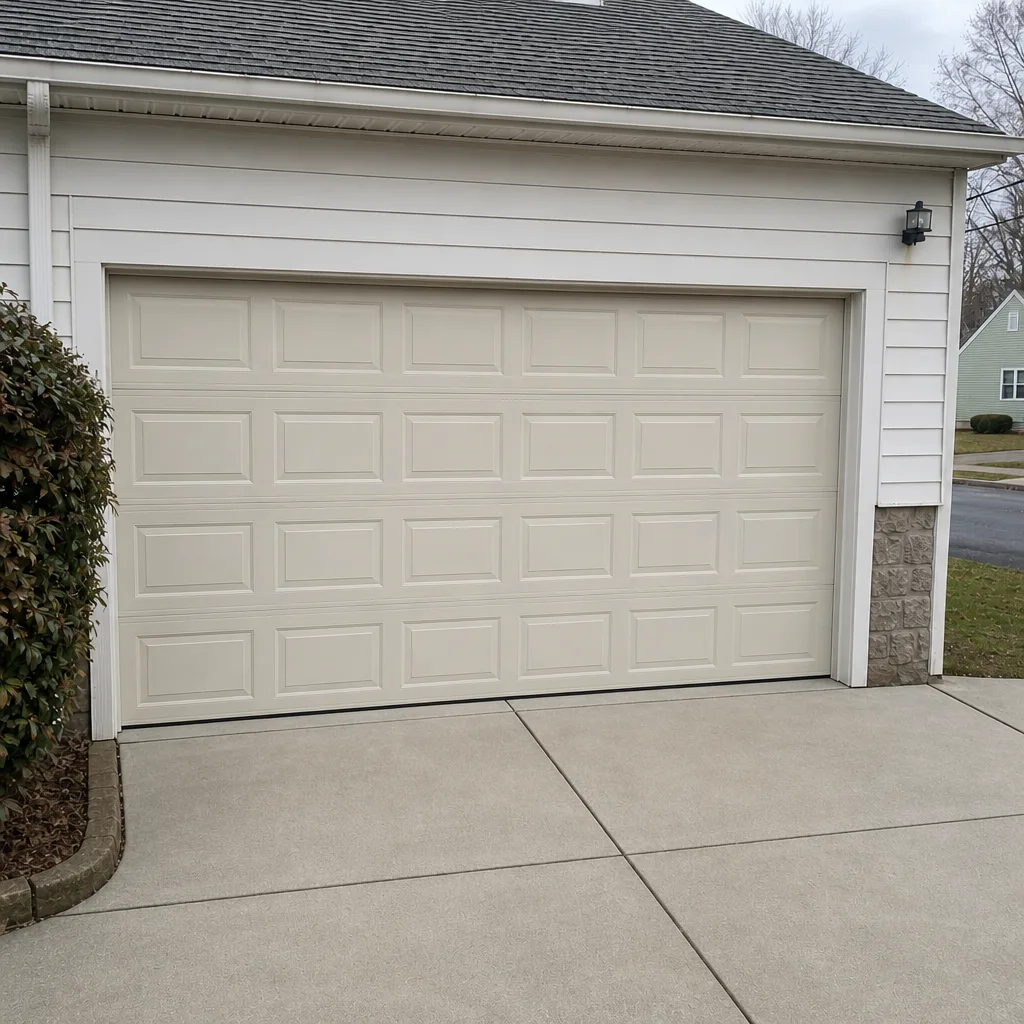 After
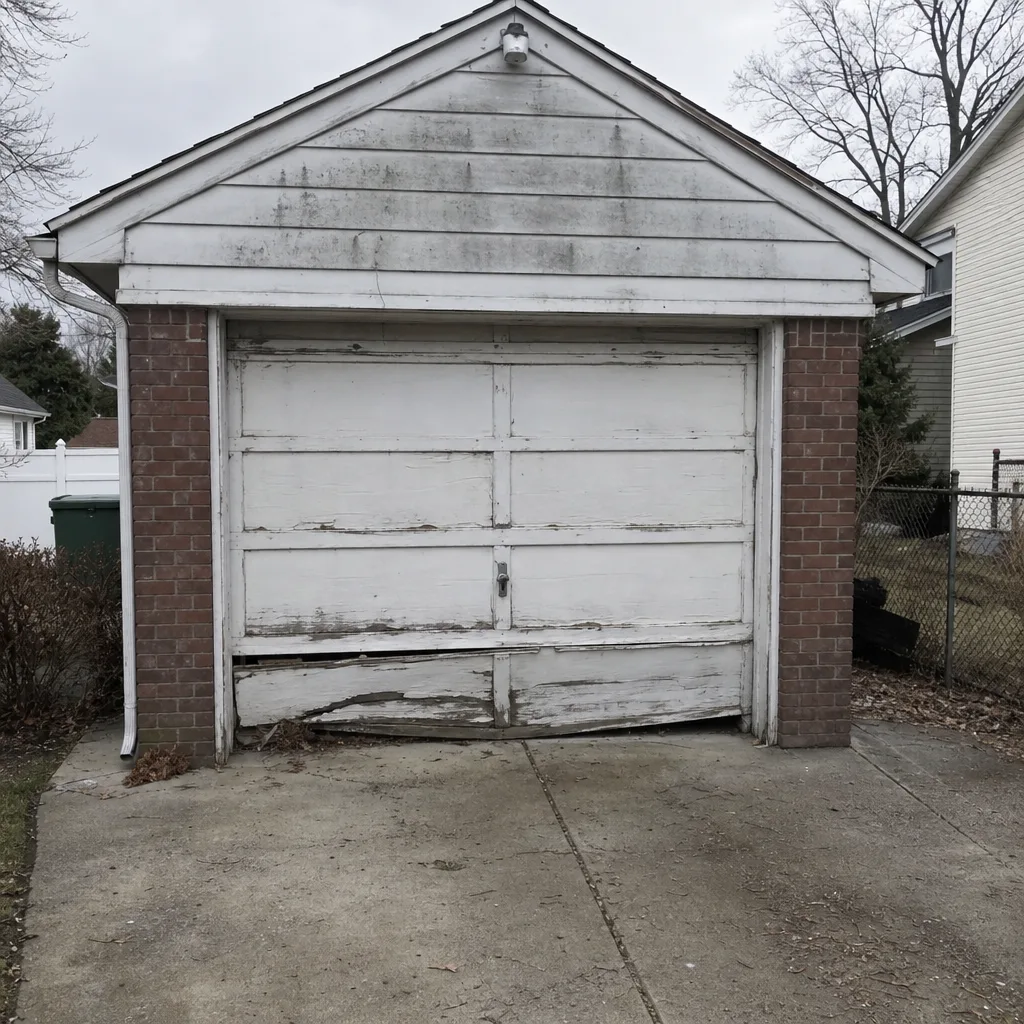 Before
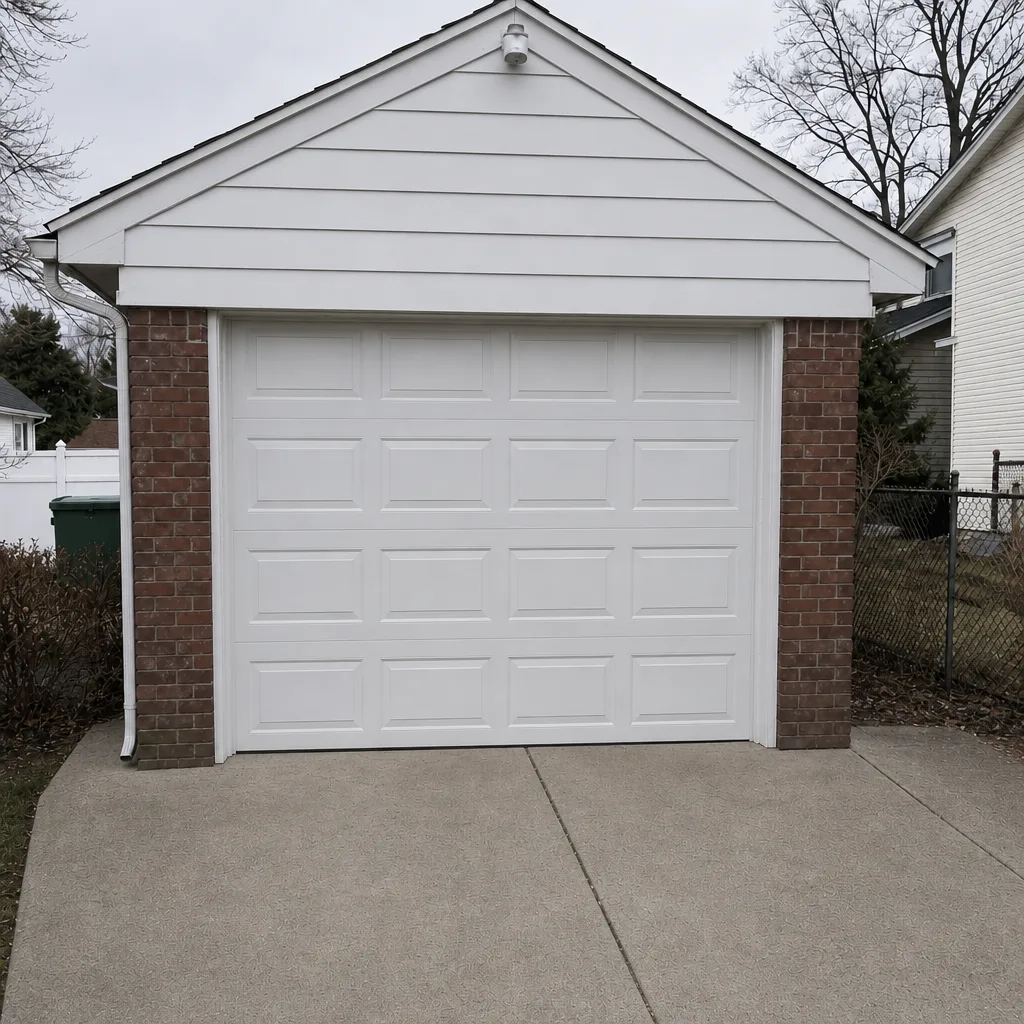 After
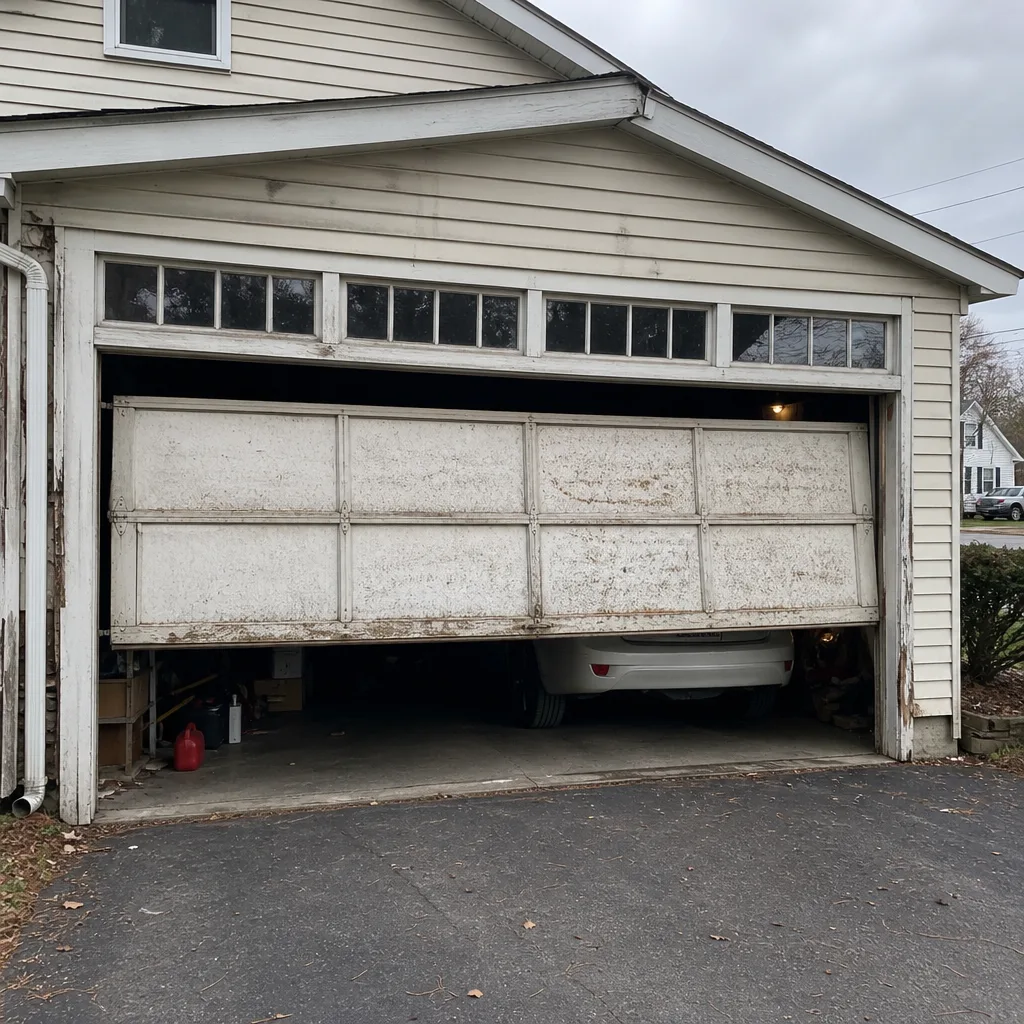 Before
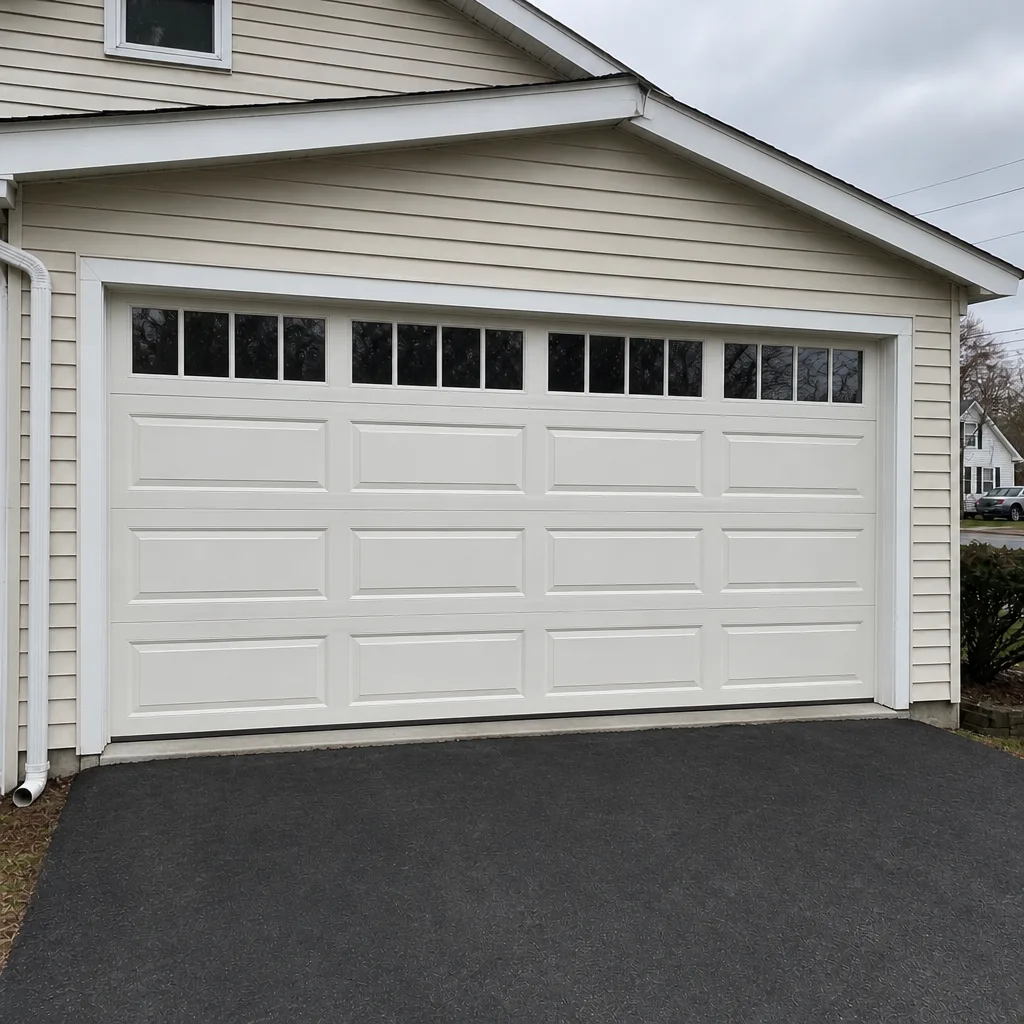 After
When to Call a Professional
Call a technician when you see a broken or stretched spring, a frayed or slack cable, a door that drops or rises on its own, a track that’s bent or pulling away, or an opener that reverses or stalls without an obvious cause. Call immediately if a door won’t close and leave your home exposed, or if the door has come off its track entirely. Don’t force a stuck door with the opener, and don’t attempt spring or cable work yourself. Brockton Garage Door Repair Co offers free estimates in Brockton and works on the brands you already have, including LiftMaster, Chamberlain, Genie, Clopay, Amarr, Wayne Dalton, Craftsman, and Raynor. Call (877) 335-4654, and if the door is a security problem right now, ask about emergency service.
Frequently Asked Questions
Every 3 to 6 months is the realistic interval for a door used daily, and more often if the door runs several times a day. Give hinges, rollers, and tracks a silicone-based lubricant in early summer and again before the first freeze, and use a product rated for low temperatures in fall so it doesn’t thicken in the cold. If you hear squeaking or the door starts to sound strained, lubricate sooner rather than waiting for the next scheduled pass. Call (877) 335-4654 if the noise continues after lubricating – estimates are free.
Replacing a bottom seal is one of the tasks most homeowners can do themselves, provided you’re careful and the retainer is in good shape. It doesn’t involve springs or cables, and the parts are widely available. That said, if the retainer is bent or the seal is a style you haven’t seen before, a technician can replace it quickly during an annual visit. In Brockton, doing it before winter is the timing that matters most.
A door problem shows up in the door itself: a broken spring, a bent track, a panel that binds, a seal that drags. An opener problem shows up in how the opener runs: it reverses without cause, doesn’t respond to the remote, or struggles to lift a door that moves fine by hand. The tricky part is that the two systems stress each other, so a door problem often shows up first as opener strain. Have both checked at the same time to avoid chasing the symptom rather than the cause. Call (877) 335-4654 for a free estimate.
Usually not. Springs are rated by cycle count, and a lower-rated spring wears out faster, which means you replace it again sooner. The same goes for openers and hardware: a part that doesn’t match the door’s weight and cycle demands works harder and fails earlier. The written quote you get should specify the part and its rating, and the price you agree to is the price you pay. Call (877) 335-4654 if you’d like a quote that spells out what’s going on the door.
Yes, and the reason is simple: most garage door failures start as wear you can’t feel from the driver’s seat. A spring that’s near the end of its cycle count, a roller that’s dry, or a seal that’s cracking doesn’t announce itself until something gives. A monthly visual check and a yearly tune-up catch that wear before it becomes a broken spring or a stripped opener gear. If you’re not sure what to look for, a professional check is a quick visit.
Road salt from plowed streets sprays against the bottom panels and the hardware closest to the floor every time a car pulls in or out. That salt eats into painted steel, pits the hinges and bottom brackets, and hardens the bottom seal faster than in less-salted climates. Rinse the lower panels when the temperature allows, use a corrosion-inhibiting spray on the lower hardware, and check the bottom seal for cracking before the first freeze. Call (877) 335-4654 if you spot corrosion you’re not sure about.
The Bottom Line
A maintenance checklist works when it’s timed to the weather that stresses your door, not to what looks tidy on paper. In Brockton that means spring for cleanup and balance checks, summer for seal work and lubrication, fall for weatherstripping and track tightening, and winter for salt control and cold-weather watch. Lubricate with the right product, not standard WD-40. Inspect springs and cables visually only, and leave anything under tension to a technician. Replace a cracking bottom seal before winter, not after. If something feels off, or the door is making noise you don’t recognize, call us. A free estimate now is cheaper than a broken spring in January.
Whether you’re catching up on maintenance or ready for a full Brockton Garage Door Repair Co check, we work on the door and the opener as one system, so nothing gets lost between two contractors. Call (877) 335-4654 for a free estimate and we’ll go through your door together.
Written by the team at Brockton Garage Door Repair Co.