Last updated November 22, 2026
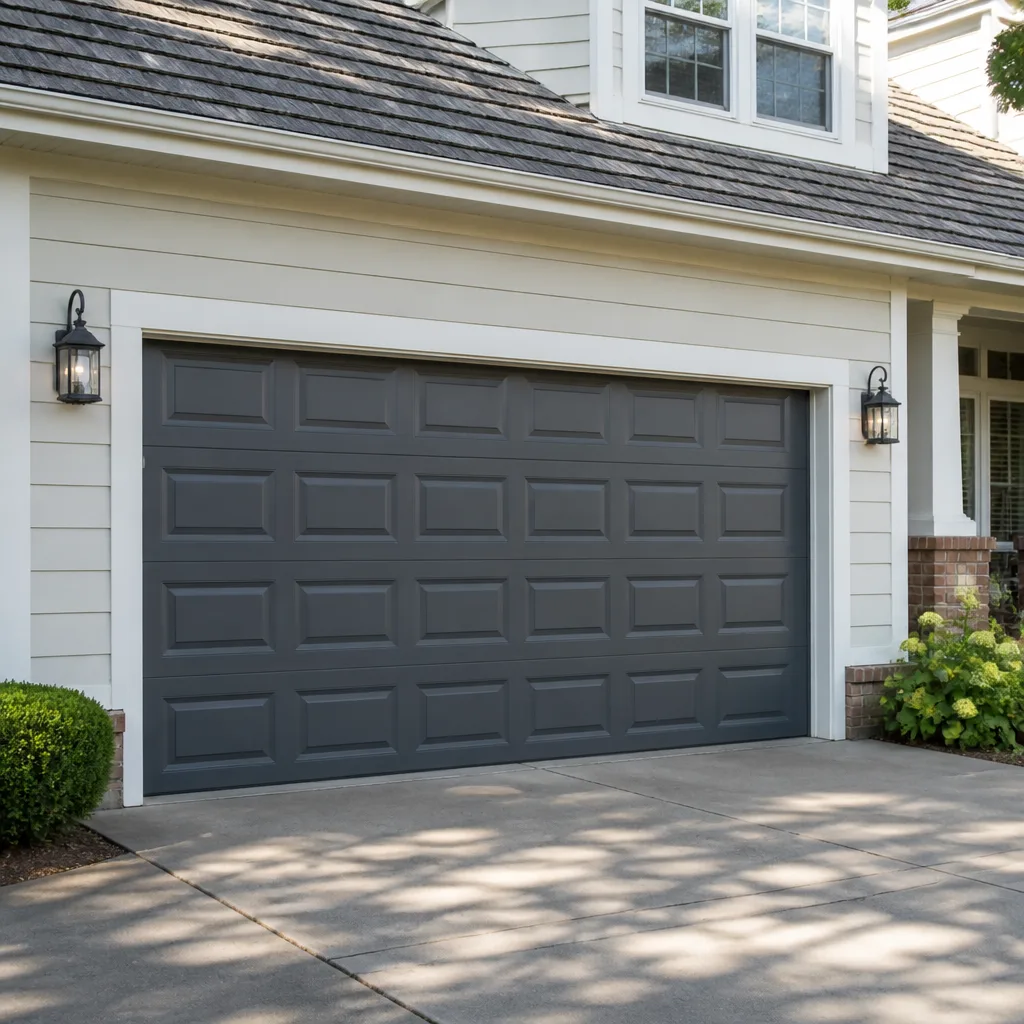 Raised-panel steel
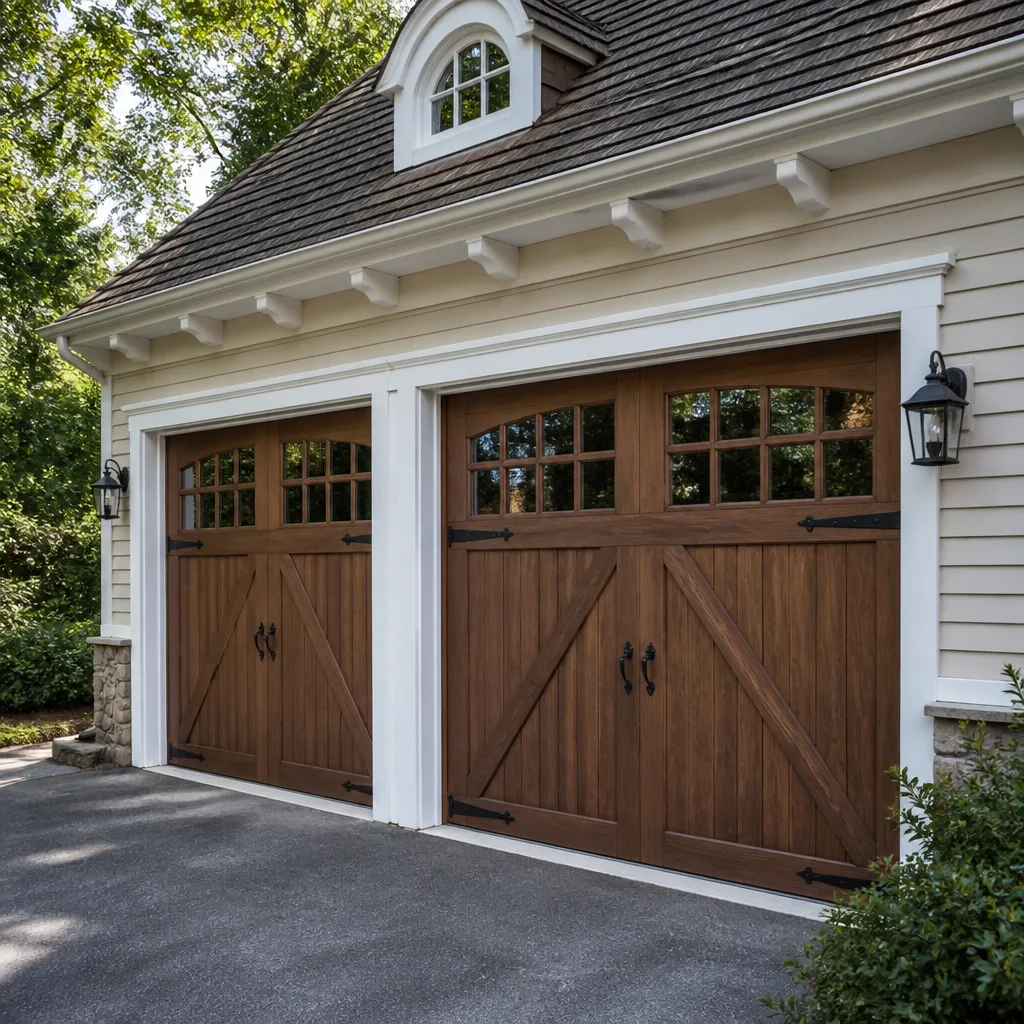 Carriage house
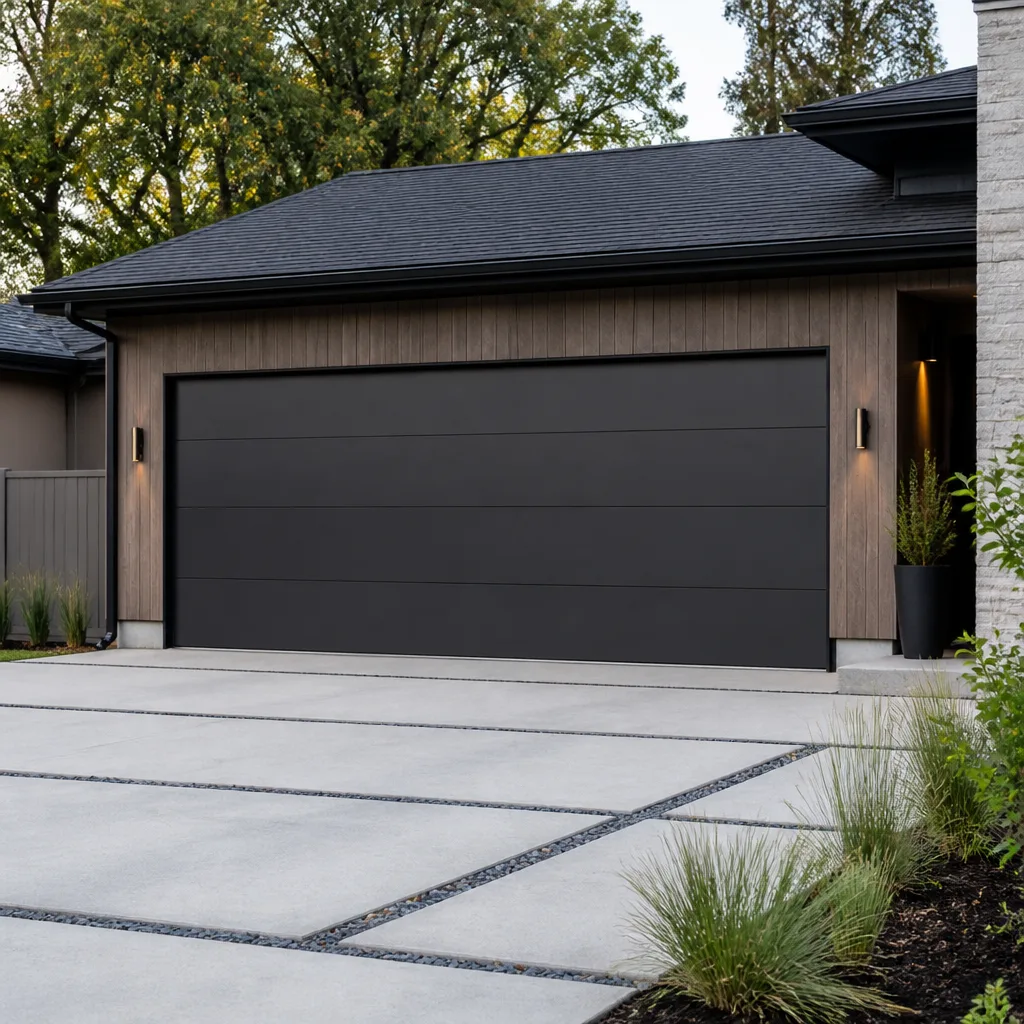 Modern flush
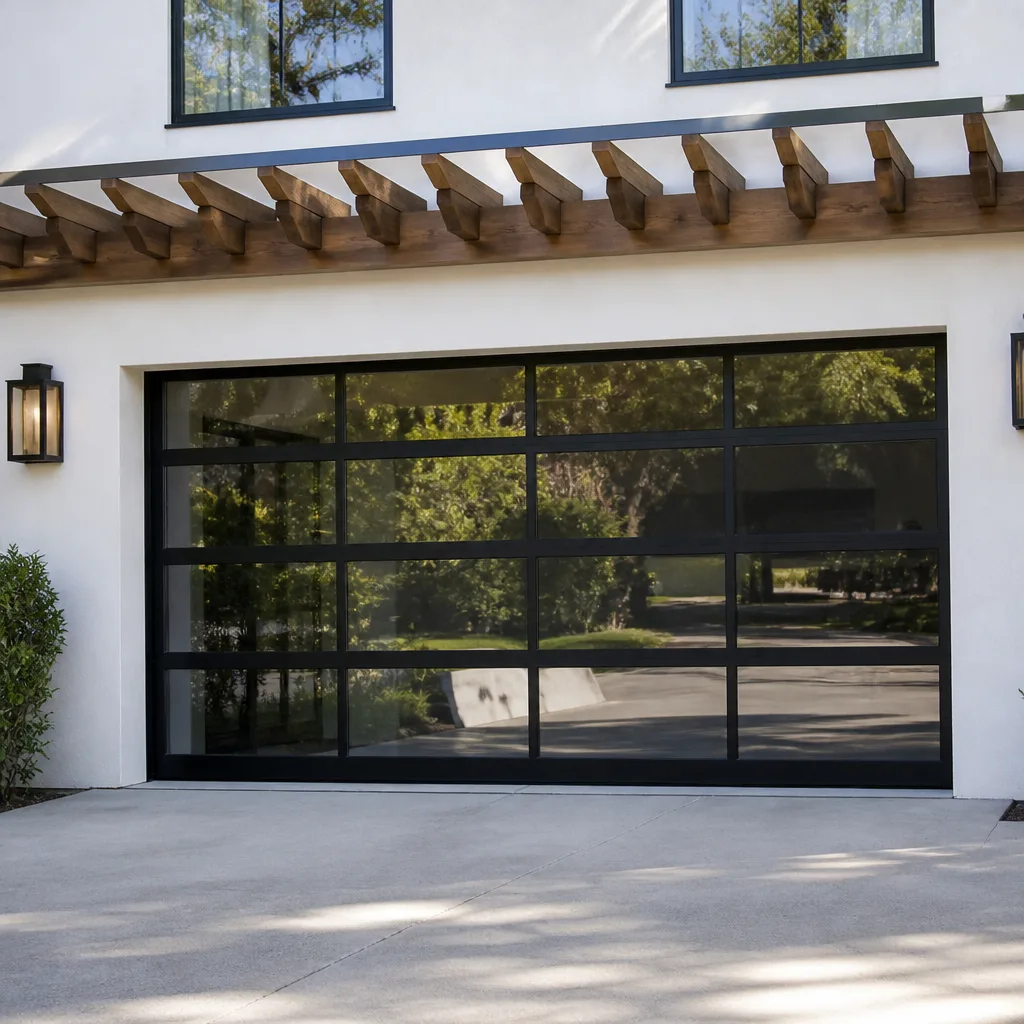 Full-view glass
 LiftMaster openers
 Chamberlain openers
Full 25-point door and opener safety check with every visit - springs, cables, rollers, tracks, and your LiftMaster or Chamberlain opener included
You get a price before we start. It does not change when the pro arrives.
Get your free estimateGarage Door Permits, Codes & Inspections in Brockton, MA: What You Need to Know
Most Brockton homeowners assume a garage door replacement needs no permit, or they assume the opposite and brace for a month of paperwork. Both instincts miss the point. The permit question is really a resale question: whether your town’s building department has a record of the work when a buyer’s inspector starts asking. This guide draws the actual line between a repair and a replacement under Massachusetts code, walks through how Brockton processes a garage door permit, explains what an inspector looks at once the door is up, and shows what happens to unpermitted work at closing. Bring a cup of coffee. It’s longer than a permit form, but shorter than a delayed closing.
Quick Answer
In Brockton, MA, replacing a garage door is generally a permit-level project because it’s an alteration to the building envelope, while routine repairs (springs, cables, rollers, opener parts, track adjustment, panel swaps that don’t change the opening) are typically treated as ordinary maintenance and don’t require one. Massachusetts follows the 780 CMR statewide building code, which is administered locally by the Brockton Building Department, so the final call on your specific job rests with that office. When you’re unsure, call the department before you order the door, not after it’s on the house.
Styles & brands we work with
- Raised-panel steel
- Carriage house
- Modern flush
- Full-view glass
- LiftMaster openers
- Chamberlain openers
Table of Contents
- Repair vs. Replacement: Where Massachusetts Draws the Permit Line
- How Brockton’s Building Department Handles a Garage Door Permit
- What an Inspector Actually Looks For After Installation
- Wind Load and Hurricane Straps: Why Coastal-Zone Rules Reach Inland Brockton
- What Happens to Unpermitted Work When You Sell
- How to Resolve Unpermitted Work Retroactively
- Openers, Safety Reversing, and the Wiring That Isn’t a Code Issue
- Neighborhood Notes: What Older Brockton Garages Usually Need
Repair vs. Replacement: Where Massachusetts Draws the Permit Line
The dividing line is whether you’re maintaining an existing assembly or replacing one. Massachusetts building code, as adopted under 780 CMR, treats ordinary repairs and maintenance as work that doesn’t require a permit. Replacing a garage door is an alteration to an exterior wall assembly and to the opening that has to resist wind and weather, which generally means pulling one.
Here’s the practical split we walk customers through:
- Usually no permit: spring replacement, cable replacement, roller and hinge swaps, track realignment, panel sections swapped for identical-size panels, opener repair or removal, safety-sensor adjustment, weather-seal replacement.
- Usually needs a permit: a full door replacement where the door is removed and a new one hung, a change in door size or opening dimensions, converting a manual door to an opener where new electrical work is involved, structural changes to the header or framing above the opening.
- Ask first, every time: a door replacement on a property with a recent addition, a door on a detached structure, or anything where the framing above the opening looks altered or sagging.
Two local wrinkles matter here. First, older Brockton garages – many built in the first half of the last century – often have openings that don’t match modern standard door sizes, so a “simple replacement” can turn into a framing job. That reframes the permit question fast. Second, if a previous homeowner added the garage or enclosed a carport, the file at the building department may not match what’s physically there, and you’ll want to know that before you file.
If you already know you need a repair rather than a replacement, our garage door repair page walks through what a service visit involves. If you’re headed toward replacement, read on before you order anything.
The 780 CMR Threshold in Plain English
Massachusetts 780 CMR is the statewide building code. It uses the term “ordinary repairs” for work that maintains the existing use and occupancy of a structure without altering its structural or safety characteristics. Swapping a broken spring on a door that’s otherwise sound fits that description. Pulling the door out and hanging a new one on new hardware is more than maintenance – it’s an alteration. The code doesn’t publish a single sentence that says “garage doors need permits,” so every discussion of this comes down to how the local inspector classifies your project. That’s why the answer is “generally” and not “always.”
In our experience, the confusion people run into is the difference between replacing a door on the same tracks versus re-engineering the opener, the tracks, and the door together. The first is a light alteration. The second is a full scope change.
How Brockton’s Building Department Handles a Garage Door Permit
Brockton runs its own building department with a locally appointed building commissioner. There is no separate “garage door desk.” A door permit is processed as a building permit, handled by the same staff that reviews decks, sheds, and window replacements. That matters because it tells you what to expect for lead time – you’re in a queue that includes a lot of other work.
The typical sequence for a door replacement in Brockton:
- Confirm scope with the department. Call or visit with the dimensions and the project description. Ask directly whether your project is permit-level or ordinary repair. Get the answer phrased as it applies to your address.
- Prepare the application. Expect a permit application, a description of the work, the address, and typically a contractor’s construction supervisor license number if you’re hiring. Some jobs also require a drawing of the opening and specifications for the new door, especially if the size is changing.
- Submit and pay. Fees are set locally; the department will tell you the amount. Don’t guess.
- Wait for review. Review time varies with the department’s workload and the completeness of your paperwork. Ask for an expected turnaround when you submit, since nobody on a website can quote you a number on behalf of the town.
- Install. The door goes in after the permit is issued, not before.
- Request inspection. Once the work is done, call the department to schedule. Typical inspections happen while the work is still accessible, so keep any interior finish work from going back up until you’ve had the visit.
One municipal detail is worth flagging for Brockton: some properties, particularly older multi-family homes, sit in a building department file that has been amended many times. Pull your own address before filing if you’ve got any reason to suspect prior unpermitted work – it’s a lot less awkward to discover that on a Tuesday in your own kitchen than on the day of a closing.
What an Inspector Actually Looks For After Installation
An inspector for a garage door replacement isn’t checking whether the door opens smoothly. They’re checking whether the installation matches the permit and the code minimums. Here’s what we’ve come to expect from Brockton-area post-installation inspections:
- Attachment to the framing. The tracks, the spring system, and the door’s header connection need to be attached to framing that’s sound and rated for the load. Inspectors look for proper fasteners, adequate structural framing, and no shortcuts through sheathing.
- Wind-load compliance. For a door on an exterior wall of a residential structure, wind resistance matters. New doors are labeled with a manufacturer wind-load rating, and the inspector wants to see that rating documented and matching the code-required minimum for your site.
- Match to the permit. Door model, dimensions, and hardware should match what’s on the paperwork. A “nearly identical” substitution can trigger a re-filing.
- Safety device operation. If an opener is part of the scope, the safety reversing system and the force setting need to work. See the section on openers below.
- Opening clearances. The door should clear the opening without rubbing, and the gap at the perimeter should be sealable with the installed weatherstrip.
- Site condition. No unrelated hazards left exposed, and the driveway clear of construction debris and the old door.
Two things trip people up at inspection. The first is a missing label – the wind-load information is on a sticker or tag on the door itself, and it has to still be readable when the inspector arrives, so don’t peel it off after installation. The second is a mismatch between what the installer used and what the permit lists, especially when a supplier swaps a Clopay model for a comparable Amarr on short notice. Ask up front whether your permit allows substitutions.
Wind Load and Hurricane Straps: Why Coastal-Zone Rules Reach Inland Brockton
Here’s the counterintuitive part. Brockton isn’t on the water, but Massachusetts wind provisions aren’t drawn with a sharp coastal boundary that puts Brockton in a “no wind matters” zone. The building code applies wind-load requirements by region and by site, and residential structures in this part of the state are designed for a baseline wind pressure that affects garage doors. The result: even inland, a new door needs a documented wind rating, and the attachment of the door and its tracks needs to be designed to handle that pressure.
Hurricane straps come into the conversation because they’re one of the ways a wood-framed garage gets its structural continuity. A garage door opening is a big hole in a wall, and the framing around it works harder than any other part of that wall. Straps and hold-downs above the opening are part of how the structure resists uplift. Whether your specific garage needs new straps depends on when it was built, how it was built, and what the local inspector requires for your scope. If you’re replacing a door on an older Brockton garage, expect this to come up in the permit review, and don’t be surprised if the fix is straightforward once the opening is open and accessible.
The practical takeaway: a broker or contractor who tells you “wind load doesn’t matter inland” is oversimplifying. It does matter. It just doesn’t always require the heavy-duty strapping systems you’d see on a coastal property. The manufacturer’s wind-load rating on the new door and the soundness of the framing around the opening are what an inspector will actually want to see.
What Happens to Unpermitted Work When You Sell
Unpermitted garage door work is a closing risk, not a legal crisis. When a property changes hands in Brockton, the buyer’s inspector, the appraiser, and the closing attorney all touch the file. Two things can go sideways:
- The record doesn’t match the house. The town has no permit for work that’s clearly visible. That’s a “please explain” from the buyer’s attorney, and it can slow or kill a closing.
- The insurance question comes up. Homeowner’s insurers vary widely in what they ask about. Some want disclosure of completed work and permits. It’s worth asking your own insurer what they need before you list the house – not because garage doors are unusually risky, but because a documentable file is a lot easier to produce than a reconstructed one.
None of this means you’ll be forced to tear down a door. In most cases, the resolution is a permit application and a post-hoc inspection, and the door stays. The complications are time and money, plus the possibility that the inspector finds a genuine code issue that then has to be corrected. The cost of fixing that at closing is higher than the cost of fixing it when you’re still living there and the schedule is your own.
One more angle worth mentioning: a buyer’s lender may object if the appraiser notes the garage as “converted” or “altered” without documentation. That’s a separate issue from the door itself but tends to surface in the same conversation. If you know your garage was originally a carport or has an enclosed breezeway, resolve the file before you plan the sale.
How to Resolve Unpermitted Work Retroactively
The honest answer is that most unpermitted garage door replacements can be made right through the same permit process, just filed after the fact. Brockton’s building department will typically treat the work as a permit application for an existing installation, with an inspection to confirm it meets code. Here’s the order of operations that keeps it manageable:
- Gather the product information. The door’s manufacturer, model, and wind-load label return to the front of the line. If you don’t have them, a technician can identify the door by sight for brands like Clopay, Wayne Dalton, Amarr, and Craftsman – that’s a common request.
- Call the department and describe the situation honestly. “We have an existing door replacement with no permit, and we’d like to make it right.” That framing goes a lot further than discovering the issue at a building inspection.
- File the application. Expect to provide the same documents a fresh job would require, plus a simple explanation of when and how the work was done.
- Schedule the inspection. The inspector will look at the same things they’d look at on a fresh install: attachment, framing, wind rating, clearances, opener safety devices.
- Address any corrections. If something doesn’t pass, the fix is often small – a strap, a fastener, weatherstrip, a corrected label. Do the corrections and re-inspect.
- Keep the documentation. The certificate of inspection and the permit number are what your buyer’s attorney will eventually ask for.
If you’re dealing with a spring, a cable, or a track issue that’s separate from the permit paperwork, our garage door spring repair page covers how that work is handled safely and fast. It isn’t a permit project on its own.
Openers, Safety Reversing, and the Wiring That Isn’t a Code Issue
A garage door opener replacement or repair is generally not a building permit item on its own. It becomes one when the opener work involves new electrical circuits or when it’s bundled into a door replacement. The building code’s role here is narrower: the opener’s safety devices need to function, and the installation has to be competent.
The two safety devices that matter on any modern opener:
- The photo-eye system. Sensors mounted near the floor that reverse the door when something crosses the path. These need to be aligned, protected from vibration, and free of cobwebs. They’re the single most common failure we see on openers that “work” but fail inspection.
- The force setting. The opener should reverse on contact with a low-force obstruction. If someone has turned the force adjustment up to compensate for a sticky door or a failing spring, that’s a symptom of an opener compensating for a door problem. The right fix is the door, not the adjustment.
If you’re shopping for opener service in Brockton, our garage door opener repair page covers the brand-specific diagnostics for LiftMaster, Chamberlain, Genie, and Craftsman. Some opener jobs also involve a panel replacement on the door itself, and it’s worth confirming that the opener was rated for the new door’s weight – a heavier door on an unrated opener is a recipe for force setting problems.
Safety note: do not attempt to adjust the force setting or rewire an opener yourself unless you’re certified to do the work. There’s 120-volt power present at the head unit, and the reverse settings are the system that protects a small child from being trapped under a closing door. That’s a professional call, both for the electrical work and the safety test.
Neighborhood Notes: What Older Brockton Garages Usually Need
A permit guide isn’t complete without the local texture. Brockton’s housing stock is varied, and it shows up in what a garage door project actually costs and involves:
- Older traditional homes in the central neighborhoods often have a detached or semi-detached garage with an opening that doesn’t match modern standards, which raises the odds a “replacement” becomes a framing adjustment and a permit question.
- Properties in the Campello and Montello areas see a mix of original garages alongside newer additions and outbuildings. When a prior addition is on the file, the door scope can change because the wall assembly is different.
- Homes near the downtown core often have tighter driveways and lower clearances, which affects door selection. Some low-headroom situations require a different spring or track configuration than a standard residential install.
- Fresh subdivisions with newer builder-grade doors tend to be simpler from a permit standpoint but see earlier hardware wear because the same class of door gets opened four times a day for years.
The takeaway isn’t that one Brockton neighborhood is harder than another. It’s that the door, the opening, and the framing underneath are three different things, and a permit conversation tells you which of the three you’re actually changing. That’s useful information before you start shopping for a new door. If you’re still deciding, look at the brands available – a door from Clopay or Amarr comes with the wind-load labeling that makes the permit inspection straightforward, which is worth noting when you compare bids.
Common Mistakes to Avoid
- Filing a permit for a repair. Homeowners who read “replacement of a door” somewhere and file a permit for a spring swap find out the department won’t accept the paperwork because there’s nothing to inspect. If the door isn’t being removed and replaced, ask whether the job is ordinary repair before you pay a fee.
- Installing before the permit is issued. It’s tempting to get the door on before a scheduled review. That timing can turn a clean inspection into a retroactive filing. Wait for the permit, even if the door has to sit in the garage a couple of weeks.
- Peeling off the wind-load label after install. That little tag on the door documenting its rating is the piece of paper an inspector will ask for. Leave it. If you don’t like the look of it, photograph it and keep the photo with your permit file before you remove anything.
- Assuming a city building permit covers electrical opener work. If your opener project adds a new circuit or an outlet, the electrical scope gets its own review. Don’t assume the door permit covers it.
- Not checking for prior unpermitted work on an older Brockton property. A pre-1950 Brockton home can have a garage that was enclosed, an opening that was altered, and a door that was replaced, all without documentation. Pull the file before you file.
- Trusting a contractor who says “we don’t need a permit.” Sometimes they’re right and the job is a repair. Sometimes they’re avoiding the process. Ask them to describe the job in the exact terms they’d use on an application – that answer tells you a lot.
- Skipping the closing inspection. A door opened and closed normally for years without a formal inspection, then someone at closing asks for the sticker. The paperwork isn’t a formality at sale time; it’s the whole point.
See the difference
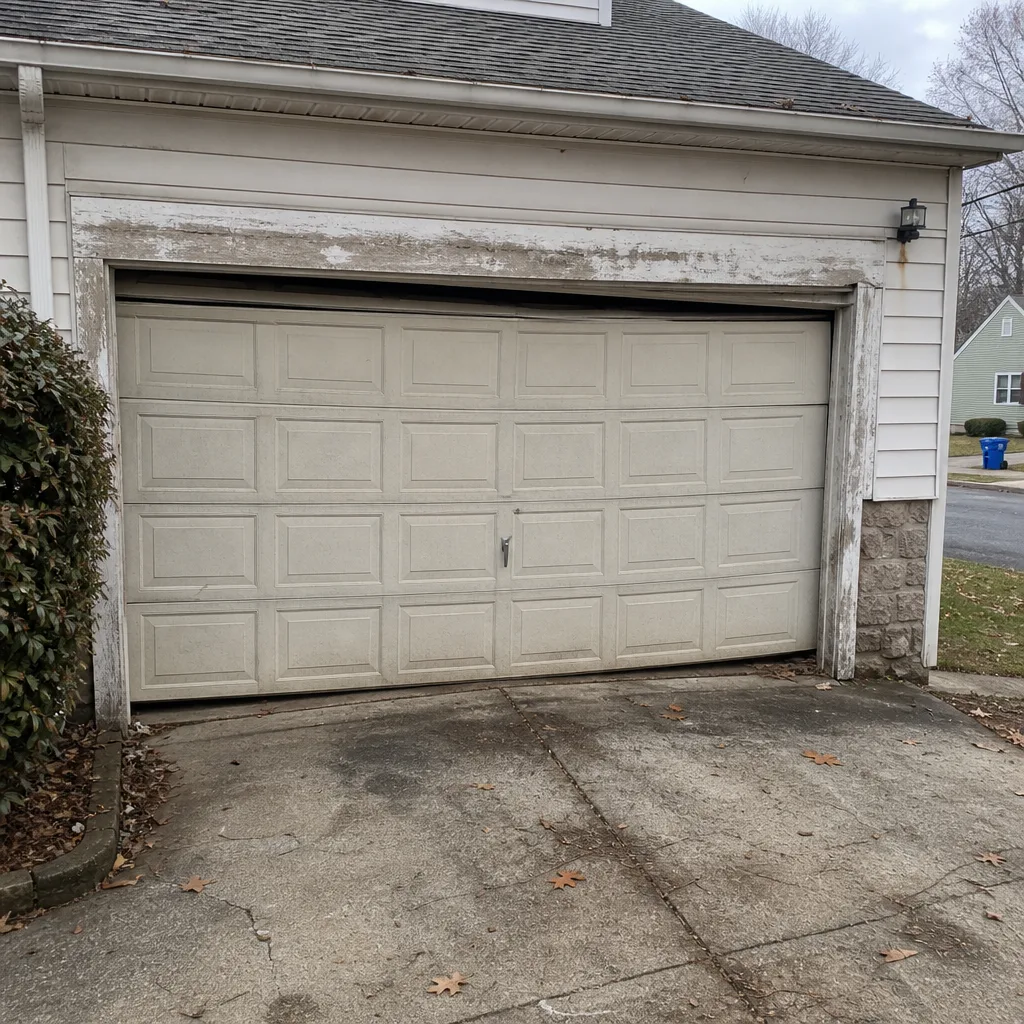 Before
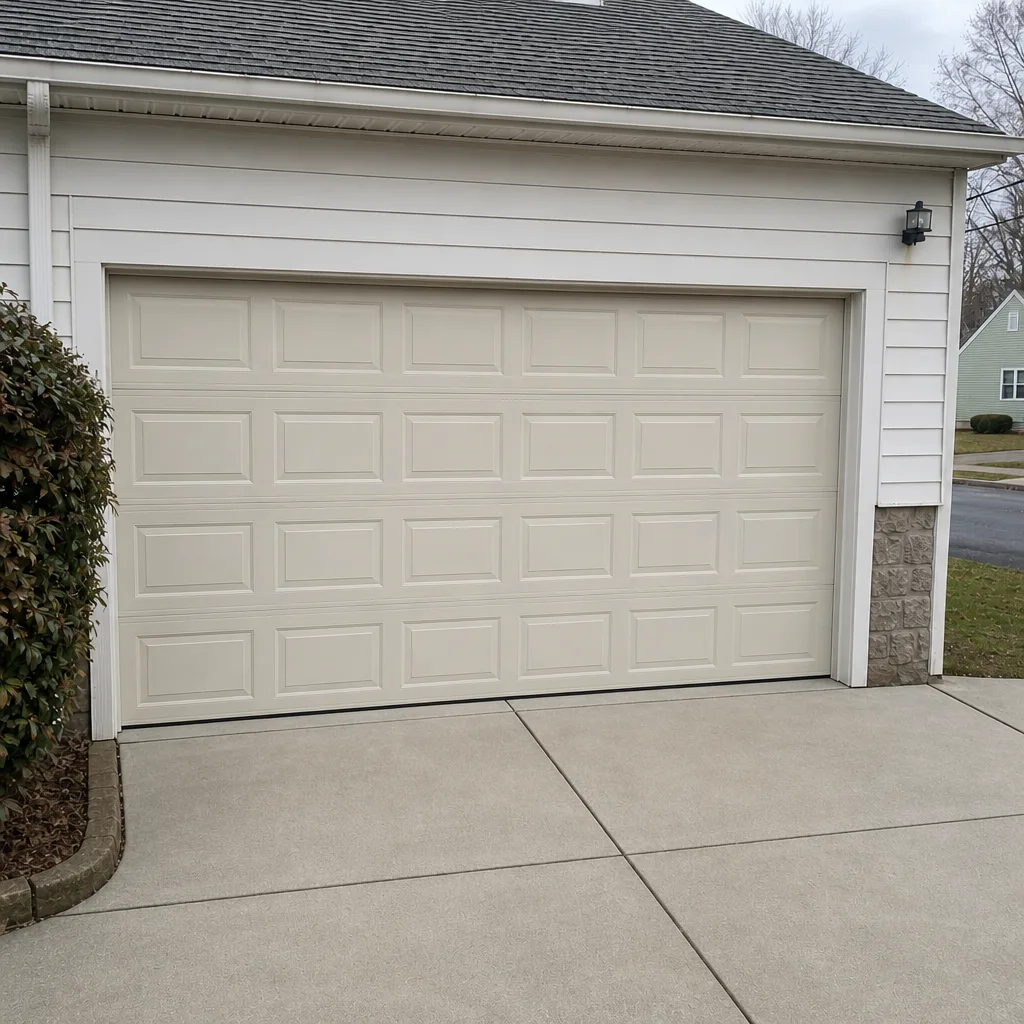 After
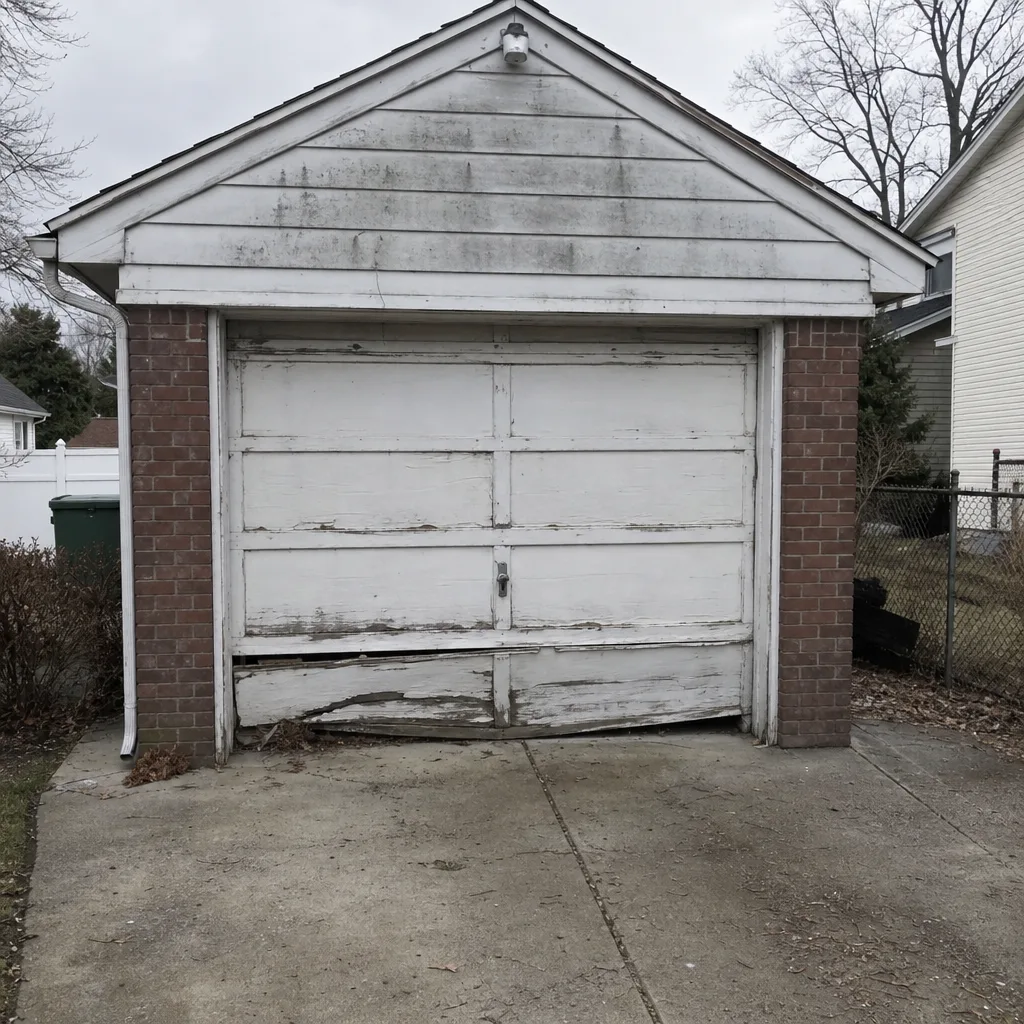 Before
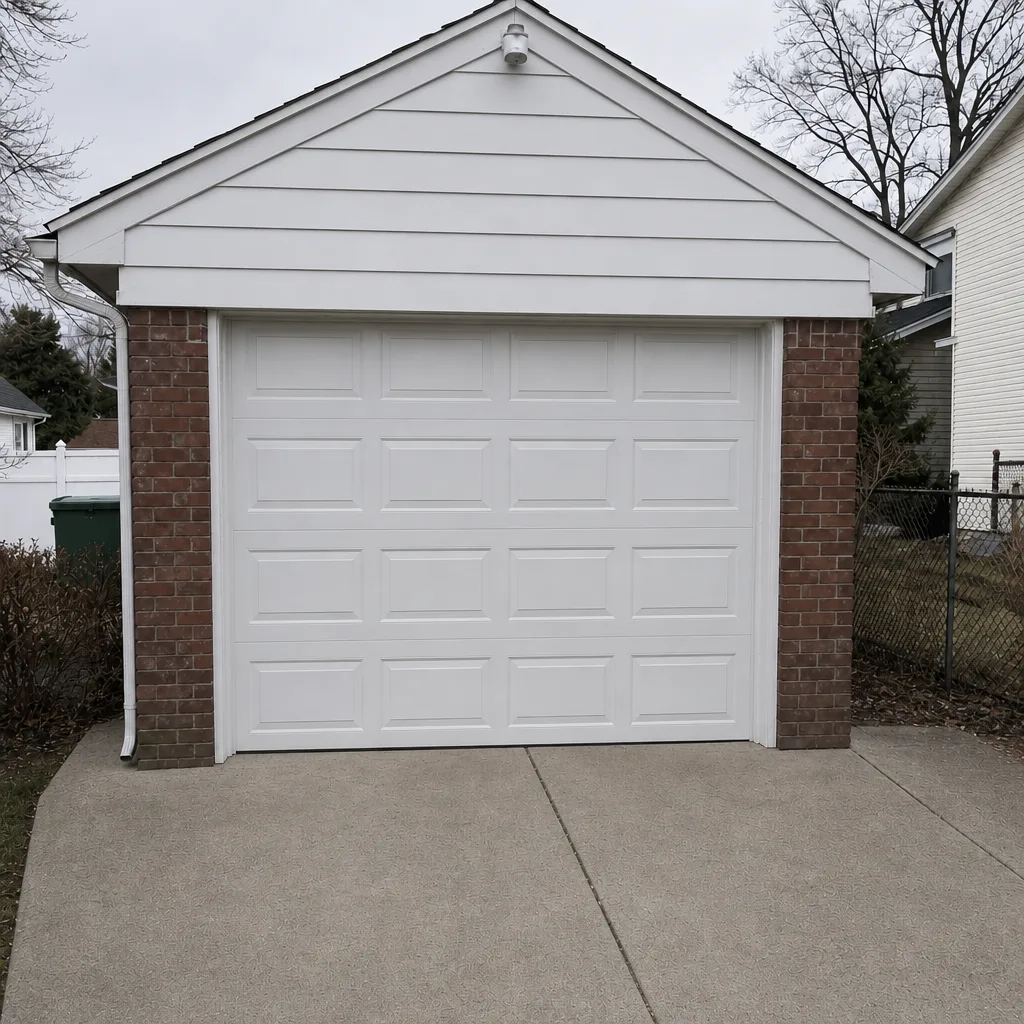 After
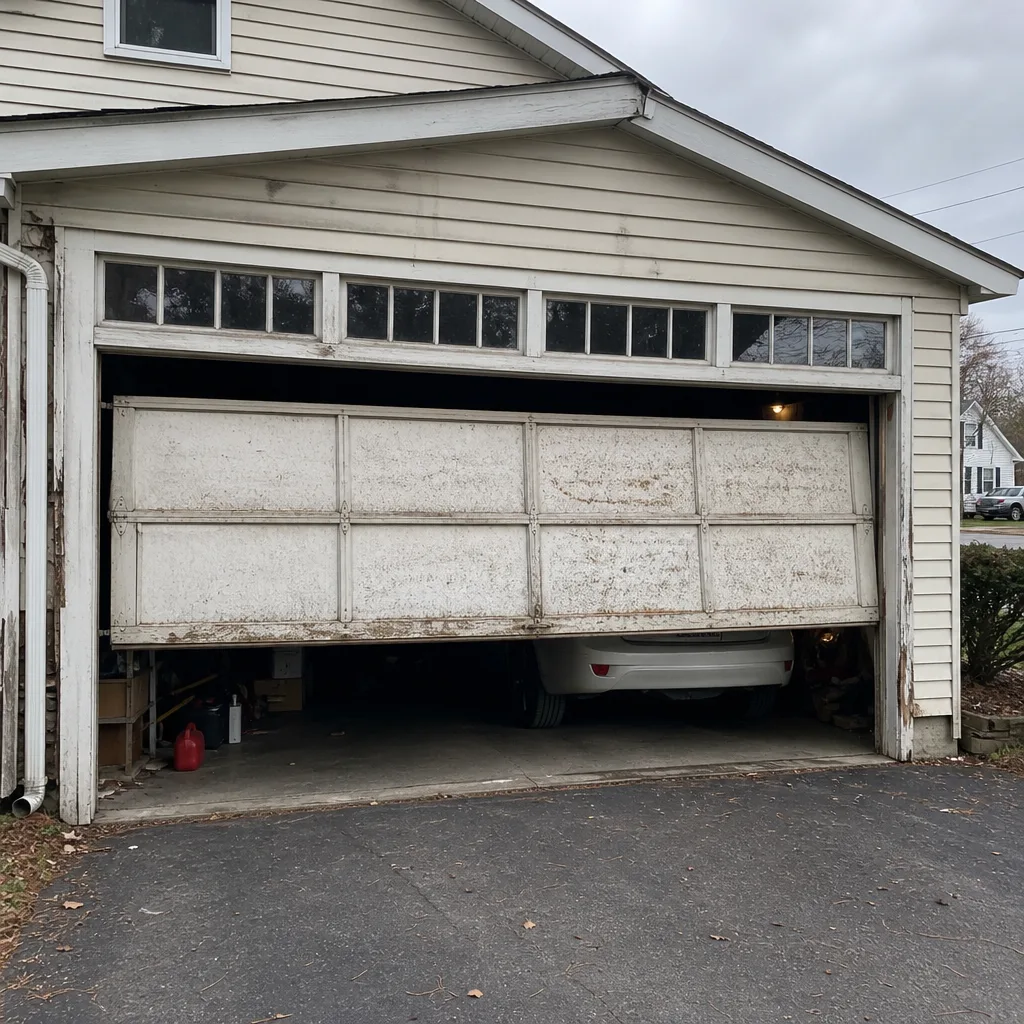 Before
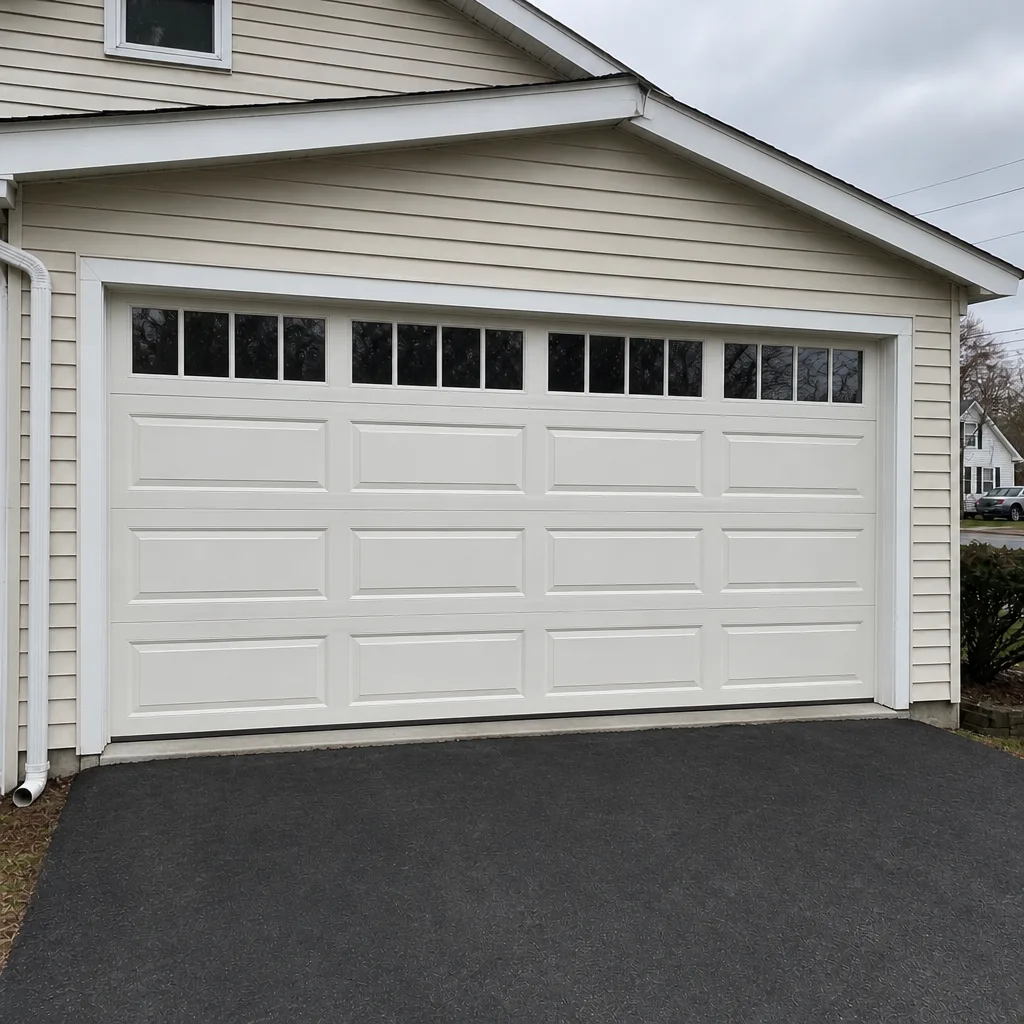 After
When to Call a Professional
Call a professional the same day if you see a snapped torsion spring with a gap in the coil, a frayed or slack cable, a door that hangs crooked, or an opener that runs but doesn’t lift. Call if the door reverses unexpectedly, if the photo-eye sensors aren’t behaving, or if a panel is cracked to the point that the door’s structure is compromised. Call before replacing a door on an older Brockton garage if you’re not sure the framing and the permit picture are settled. Spring and track work in particular is where injury risk lives. A torsion system under tension can hurt you in under a second, and there is no safe shortcut around it. Brockton Garage Door Repair Co offers free estimates in Brockton – call (877) 335-4654.
Frequently Asked Questions
Usually yes. A full door replacement is generally treated as an alteration to the building envelope in Brockton and requires a building permit through the Brockton Building Department, while routine repairs typically do not. Confirm your specific job with the department before ordering the door, since the classification depends on scope. For an exact price on the work itself, call (877) 335-4654 – estimates are free.
No. Spring replacement, cable replacement, and track adjustment are normally treated as ordinary repairs under Massachusetts code, not as alterations. Calling it a repair isn’t a loophole – the door and opening are unchanged, so there’s nothing for a building inspector to review. Spring work still carries real injury risk and belongs with a trained technician; the safety concern and the permit question are separate. Call (877) 335-4654 to schedule a spring repair.
Timelines vary with the department’s workload and the completeness of your application, so we’d be guessing if we gave you a number. Ask the Brockton Building Department when you submit, and plan the install around the date they give you. A complete application with accurate door specifications and a contractor’s CSL number moves through faster than one with substitutions. Need a written estimate to include with the filing? Call (877) 335-4654.
It’s a documentation problem, not a fatal one. The buyer’s attorney will ask for a permit and inspection record, and if there isn’t one, the answer is typically to file a retroactive permit and pass a post-inspection. Doing that before you list the house keeps it out of the closing timeline. If you’re already under agreement, a technician can identify the door’s manufacturer and model for the retroactive filing – call (877) 335-4654.
Yes. Massachusetts wind provisions apply to residential structures in this part of the state, and a new garage door needs a documented wind-load rating even though Brockton isn’t on the water. The inspector will look for the manufacturer’s wind-load label on the new door and sound framing at the tracks and header. Skip the label peel-off after install – keep it photographed at minimum.
You can, and it saves a lot of the back-and-forth that comes from switching contractors mid-life of the door. Brockton Garage Door Repair Co handles both installation and ongoing repair, so a new door and its opener get serviced by the same people who put them up. We work on LiftMaster, Chamberlain, Genie, Clopay, Amarr, Wayne Dalton, Craftsman, and Raynor. Call (877) 335-4654 to talk through what your door needs.
The Bottom Line
The permit question on a Brockton garage door comes down to scope. Repair stays repair and skips the paperwork. Replacement – where the door and its mounting come off and a new assembly goes in – is generally a permit job filed with the Brockton Building Department, drawing on the state’s 780 CMR code, with wind-load documentation, sound framing, and a post-install inspection. Older Brockton garages complicate that picture, and unpermitted work is fixable but shouldn’t wait until closing. Get the scope right first, then the permit, then the door. If you’d rather not sort through all of it alone, Brockton Garage Door Repair Co offers free estimates and can walk you through what your specific job actually is. Call (877) 335-4654 for a free estimate.
Written by the team at Brockton Garage Door Repair Co.